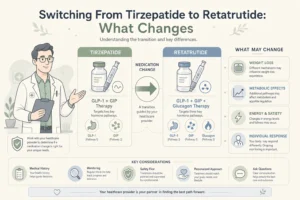
Switching From Tirzepatide to Retatrutide: What Changes
Switching from tirzepatide to retatrutide is a supervised medication change, not a milligram match. Retatrutide (GLP-3) adds the glucagon receptor and produced 24.2% weight loss

 semaglutide therapy at Body Works weight loss treatment at a medical consultation” />
If you have been struggling to lose weight despite trying diet after diet, you are not alone. For many people in Franklin, TN, Nolensville, TN, and across Middle Tennessee, traditional weight loss methods simply do not deliver the results they need. The CDC Adult Obesity Facts estimate that roughly 40% of U.S. adults meet clinical criteria for obesity, which helps explain why semaglutide has emerged as a powerful option for those who qualify, helping patients achieve significant, sustainable weight loss when other approaches have fallen short.
But semaglutide is not right for everyone. Understanding whether you are a good candidate requires looking at several factors beyond just the number on the scale. At Body Works, we believe in personalized care that considers your complete health picture, not just a single metric. Here is what the FDA guidelines, clinical research, and real-world practice say about who benefits most from semaglutide treatment.
Semaglutide belongs to a class of medications called GLP-1 receptor agonists. GLP-1 (glucagon-like peptide-1) is a hormone your body naturally produces to regulate blood sugar and appetite. Semaglutide mimics this hormone, helping you feel fuller faster and stay satisfied longer after meals. It acts on receptors in the brain that control hunger, slows gastric emptying so food stays in your stomach longer, improves insulin response, and reduces the constant mental chatter about food that many patients describe as food noise.
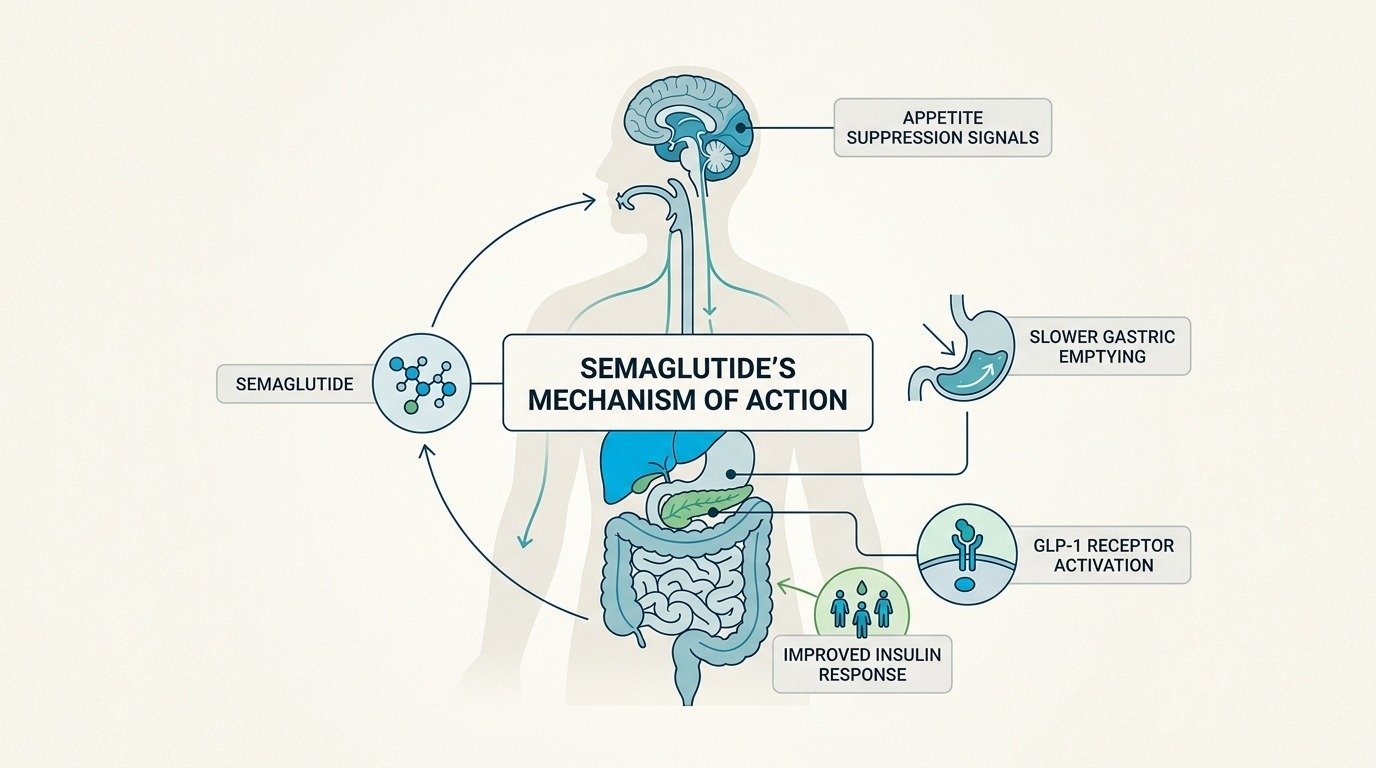
The clinical results are significant. In the landmark STEP 1 trial (Wilding et al., New England Journal of Medicine, 2021), half of participants taking semaglutide 2.4 mg lost 15% of their body weight over 68 weeks, and nearly one-third lost 20% or more. Participants making lifestyle changes alone lost only 2.4%. Semaglutide works best when combined with healthy eating habits and regular physical activity: the medication controls appetite, but lasting success comes from building sustainable lifestyle changes alongside treatment. If you want the full mechanism, see our primer on how GLP-1 medications work.
The FDA approved semaglutide 2.4 mg for chronic weight management in adults who meet one of two criteria: a BMI of 30 or higher (classified as obesity) or a BMI of 27 to 29.9 with at least one weight-related health condition. Your Body Mass Index is calculated from your height and weight, and it serves as the primary starting point for determining candidacy.
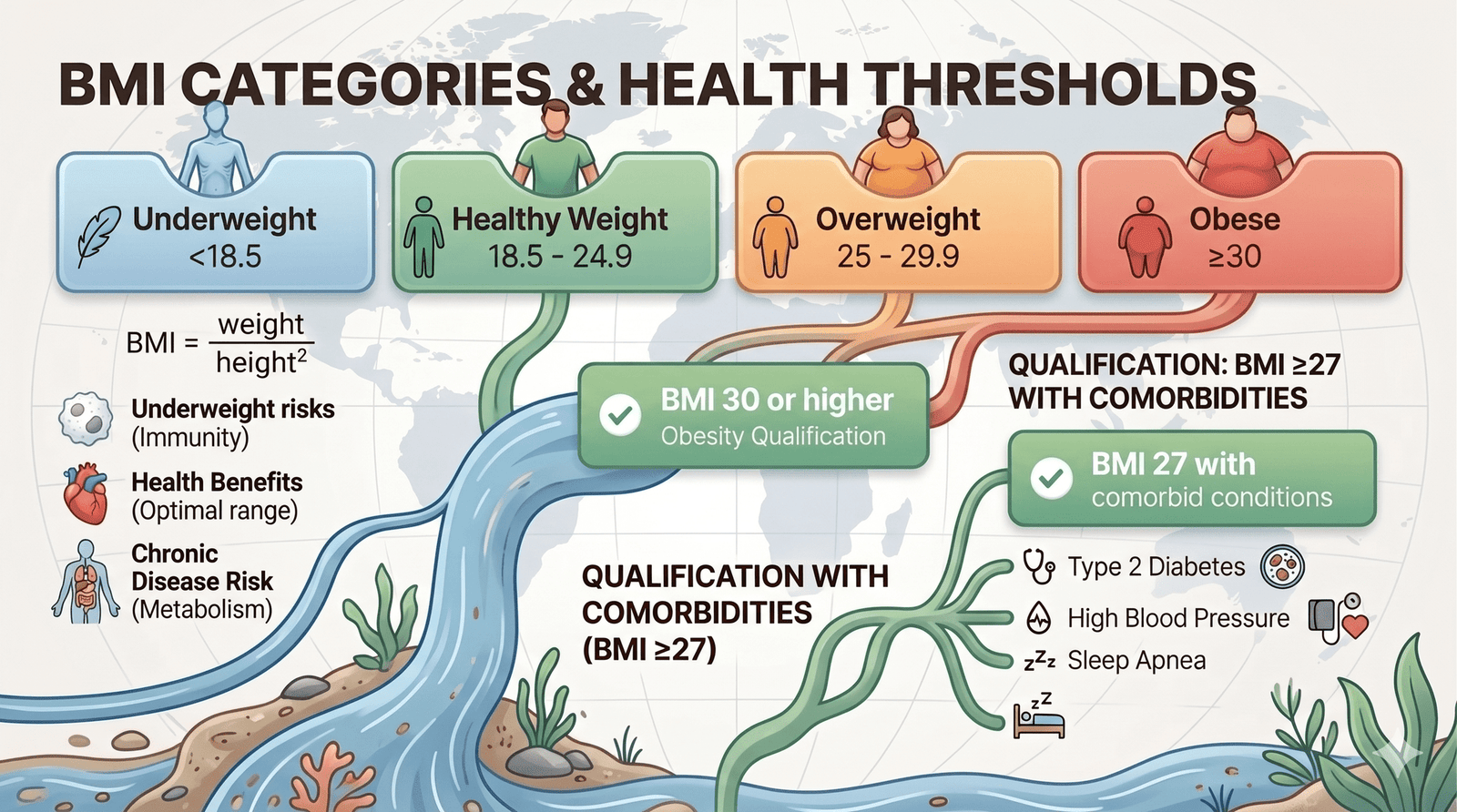
To put this in perspective, for someone who is 5’6″ tall, a BMI of 30 equals approximately 186 pounds. A BMI of 27 for the same height equals approximately 167 pounds. A 5’10” adult weighing 195 pounds has a BMI of 28, which qualifies if they also have a weight-related condition. At Body Works, we view BMI as a helpful screening tool, not the final word on your candidacy. Some people with higher muscle mass may have an elevated BMI without excess body fat. Others may have a “normal” BMI but still struggle with metabolic health issues related to weight. That is why we conduct comprehensive evaluations that look beyond this single number.
While many people qualify for semaglutide, certain medical conditions make this medication unsafe. During your consultation at Body Works, your provider reviews your complete medical history to ensure semaglutide is appropriate for you. You should not take semaglutide if you have any of the following:
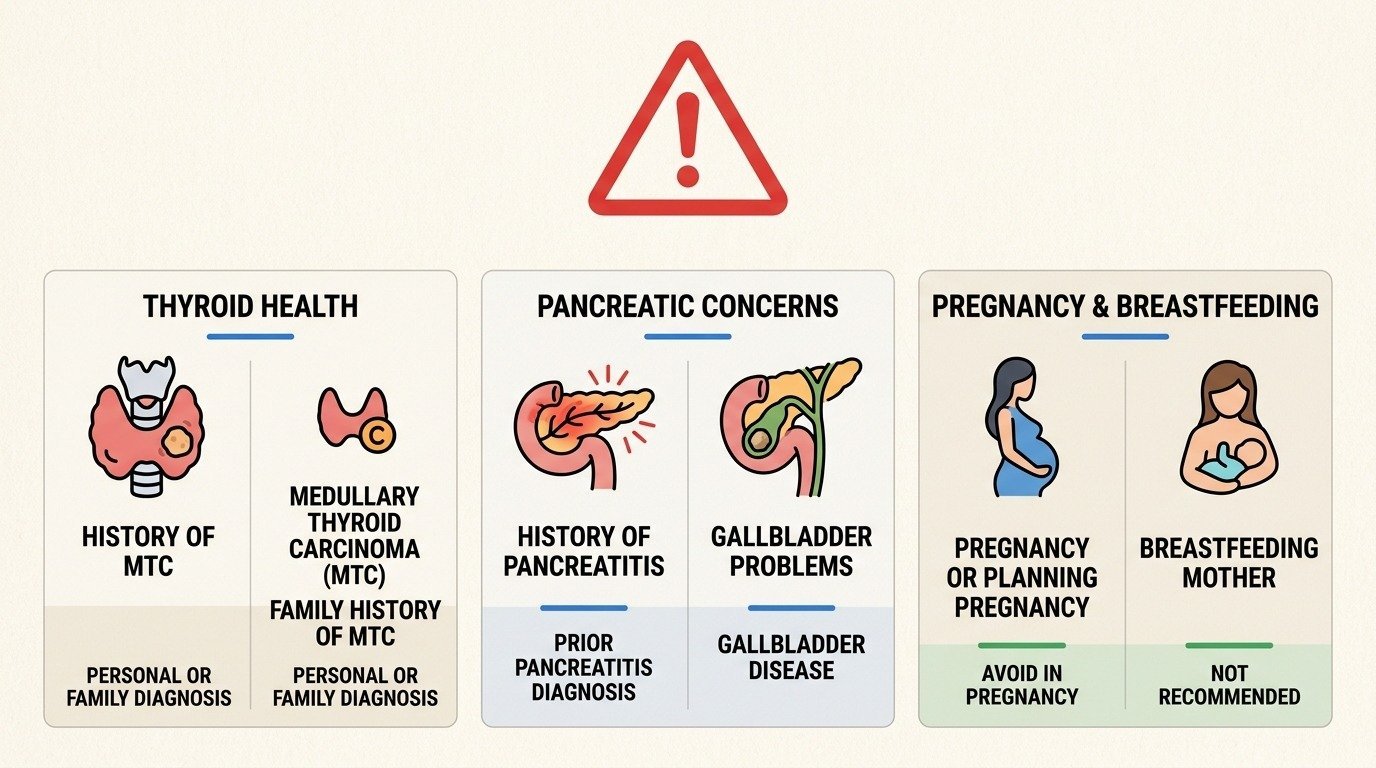
Be sure to tell your provider about all medications and supplements you take. Semaglutide can interact with certain antibiotics, retinoids, cortisone products, and other drugs. Full disclosure helps us ensure your safety throughout treatment.
Determining whether semaglutide is right for you requires more than checking boxes on a form. The National Institute of Diabetes and Digestive and Kidney Diseases stresses that weight management medications should be prescribed only after a comprehensive medical evaluation that rules out contraindications and identifies the patient most likely to benefit. Body Works Nurse Practitioners and Registered Nurses conduct thorough evaluations that consider your unique health situation, lifestyle, and goals. Here is what to expect during your consultation at either the Franklin or Nolensville location.
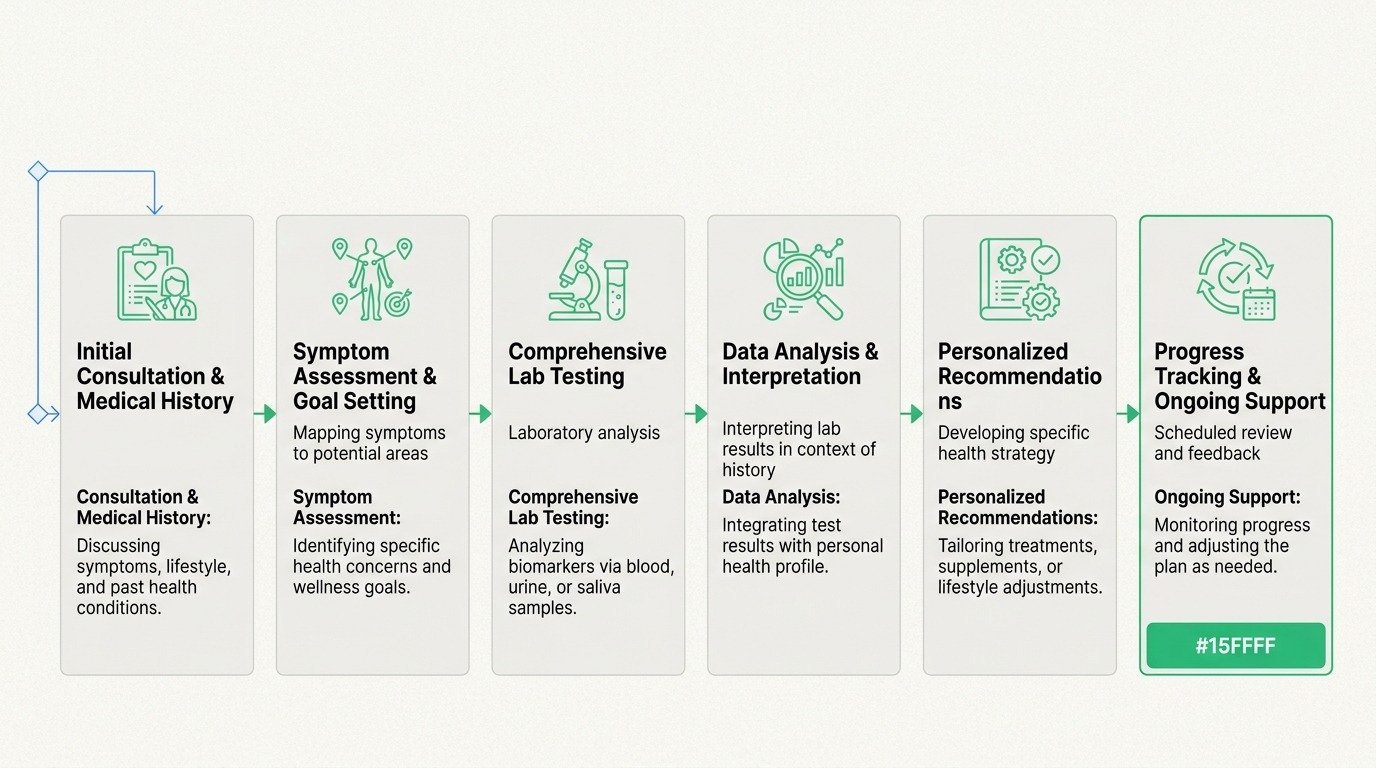
Step 1: Comprehensive medical history review. We discuss your weight loss journey, previous attempts, medical conditions, family history, and current medications. This conversation helps us identify any potential contraindications.
Step 2: Physical examination and vital signs. Your provider checks your blood pressure, heart rate, and other vitals, and looks for any physical signs that might affect your treatment plan.
Step 3: Body composition analysis. Beyond BMI, we assess your body composition to understand your muscle mass, body fat percentage, and metabolic health markers.
Step 4: Laboratory testing. Blood work evaluates your blood sugar, cholesterol, liver function, kidney function, and thyroid health. These results ensure semaglutide is safe for you and help track your progress.
Step 5: Discussion of goals and lifestyle. We want to understand your weight loss goals, eating habits, activity level, and any challenges you have faced. This helps us create a realistic, personalized plan.
Step 6: Personalized treatment recommendation. Based on all this information, your provider recommends whether semaglutide is appropriate or if another approach might serve you better. Our approach is judgment-free and supportive, and we have helped hundreds of Middle Tennessee residents achieve lasting weight loss.
Switching from tirzepatide to retatrutide is a supervised medication change, not a milligram match. Retatrutide (GLP-3) adds the glucagon receptor and produced 24.2% weight loss

You can lower your odds of the gaunt, sunken look people call Ozempic face. Here is how pacing, protein, muscle, and skin care protect your
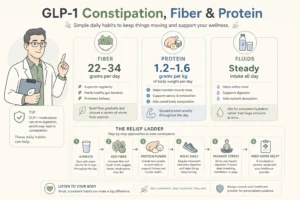
Constipation affects 24% of semaglutide patients and up to 17% on tirzepatide. This guide gives the daily targets that prevent it: 22 to 34 grams

Ozempic face is the hollow, aged look some people notice after rapid weight loss. Here is why it happens, who is most at risk, and

When Tennessee investigators tested counterfeit weight loss vials seized in Medina, one was mostly water. That was the good outcome. The dangers of buying peptides
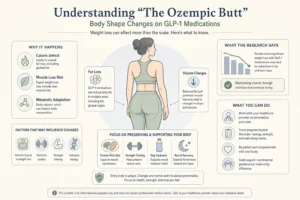
Rapid weight loss changes more than the number on the scale. Here is why the glutes, breasts, and arms often change shape on GLP-1 medications,
See Body Works first in your Google results.