
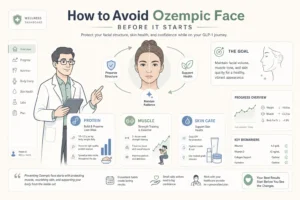
How to Avoid Ozempic Face Before It Starts
You can lower your odds of the gaunt, sunken look people call Ozempic face. Here is how pacing, protein, muscle, and skin care protect your
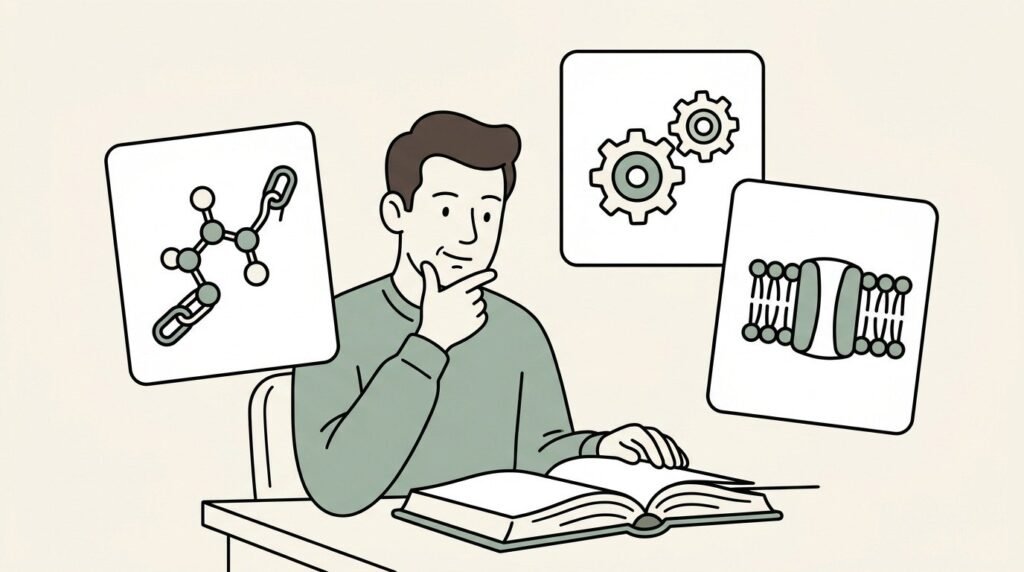
Peptides are the body’s natural signaling molecules, summarized in a recent review of therapeutic peptides in gerontology. They are short, specific signals that tell your cells exactly what to do. If you think of your body as a massive corporation, peptides are the quick memos that keep departments running.
The chemistry is simpler than it sounds. Proteins are long, complex chains of amino acids that build your structure. Peptides are just shorter versions of those same building blocks, typically consisting of 2 to 50 amino acids linked together. Your body produces thousands of them naturally to manage everything from your appetite to how fast your skin heals.
We can now recreate these exact sequences in a lab to mimic those natural signals. This is different from taking something like a steroid. Steroids often force a massive, body-wide response that can lead to permanent side effects. Peptides nudge existing systems back toward function. They are subtle tools that help you stay yourself longer.
When you are ready to go deeper, our complete guide to how peptide therapy works covers protocols, administration, and safety in clinical detail.
A peptide works by binding to a specific receptor on the surface of a cell, acting like a key in a lock. When the key turns, it triggers a precise biological response inside that cell. This might mean releasing a hormone, starting a repair process, or quieting down inflammation.
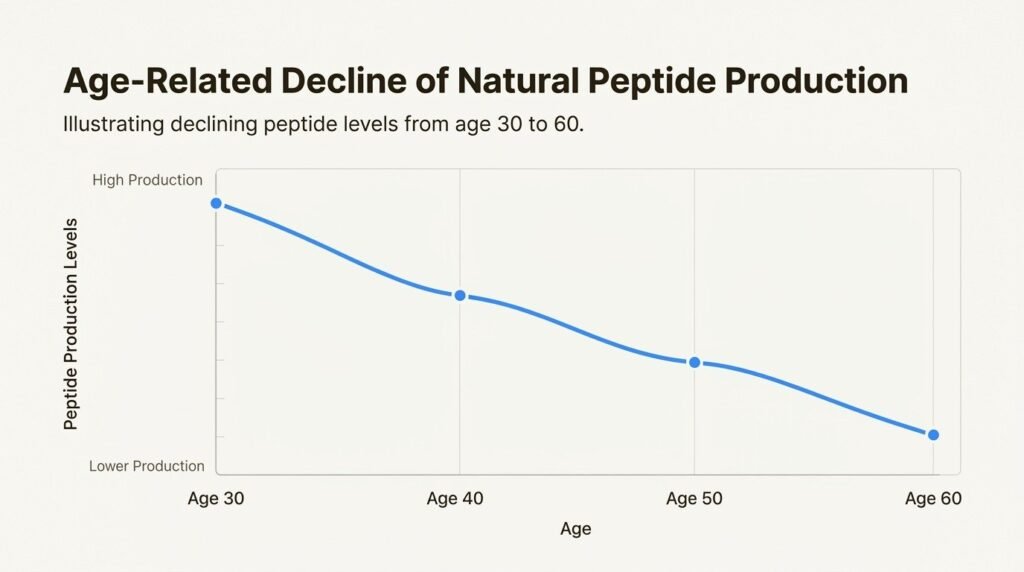
There is a catch. Natural production of these signaling molecules declines measurably after age 30. As we get older, the signal gets quieter. Your body still knows how to repair tissue or burn fat, but it isn’t getting the memo as clearly as it used to. This is where peptide therapy enters the conversation.
By introducing specific peptides, we help restore those fading signals. It’s less about “hacking” your biology and more about reminding your body how to do what it was already designed to do. This is why many adults see improvements in sleep, energy, and recovery that they assumed were just gone with age.
Most clinical applications today fall into three main categories. Each one uses different keys to unlock different results.
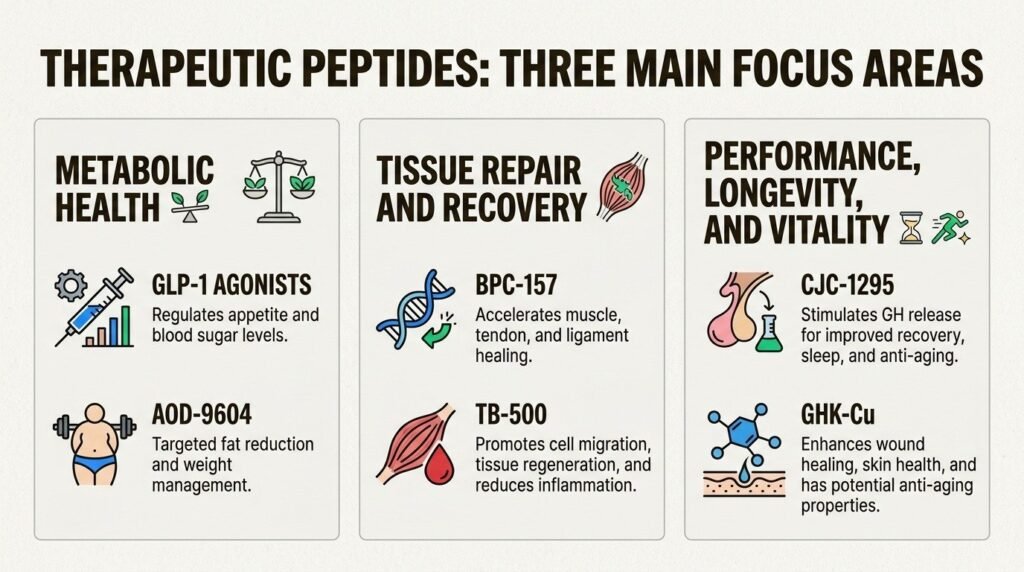
The most familiar peptides in mainstream medicine right now are GLP-1 receptor agonists. The two best known generic medications in this class are semaglutide and tirzepatide. These work by slowing how fast your stomach empties and by increasing feelings of fullness, two of the mechanisms NIDDK describes in its clinical guidance on overweight and obesity. They essentially reset how your brain and gut communicate about hunger.
Beyond GLP-1 receptor agonists like semaglutide, summarized on MedlinePlus, researchers also use growth-hormone-fragment peptides such as tesamorelin, a small part of the growth hormone molecule that targets fat burning without affecting your blood sugar or general tissue growth. If you’re looking for medical weight loss solutions, these are the primary tools in the kit.
BPC-157 is often called the “Body Protection Compound.” It is a synthetic peptide first reviewed in Cell Tissue Research, 2019. Athletes use it because it helps heal tendons, ligaments, and even the gut lining by creating new blood vessels.
Another common choice is TB-500, or Thymosin Beta-4. It works by promoting cell migration to the site of an injury. When used together, these two peptides can help your body bounce back from injuries that usually linger for months.
Growth hormone secretagogues like CJC-1295 and Ipamorelin are popular for adults noticing age-related declines. They stimulate your pituitary gland to increase its own output of growth hormone. A 2006 study in the Journal of Clinical Endocrinology and Metabolism found that CJC-1295 can increase growth hormone levels by two to ten times in healthy adults. This leads to better sleep quality and lean muscle mass.
For your skin and hair, there is GHK-Cu. This “copper peptide” helps with collagen production and skin firmness. It’s a common part of both men’s hormone therapy and women’s hormone therapy plans that focus on feeling and looking healthier.
Medical supervision is not a formality. It is the most important part of the process. Peptides act differently depending on your existing hormone levels, your current inflammation, and your stress. A peptide that works for your neighbor might be useless or even counterproductive for you.
The internet is full of “research use only” vendors. You should stay away from them. These products are often sold through legal loopholes and lack quality controls. There is a real risk of contamination, incorrect dosing, or getting a substance that isn’t what the label says it is.
Regulated 503A compounding pharmacies authorized under the FDA bulk drug substances framework are the only safe source. These facilities follow strict quality standards to ensure you are getting exactly what your doctor prescribed. Side effects are usually mild, such as redness at the injection site or temporary water retention, but you still need a professional to monitor your progress and adjust your dose.
Where you get treatment matters as much as whether you start. Our guide on how to choose a peptide therapy provider lists the red flags and the questions to ask before you commit.
We believe that your wellness plan should be as unique as your own biology. At Body Works, we don’t do cookie-cutter solutions. Our licensed medical team of Nurse Practitioners and Registered Nurses oversees every protocol to make sure you are safe and getting real results.
This is well-worn ground for our team. Between 2022 and 2024, 584 different clients received peptide therapy through our Franklin practice, and our Nolensville office added dozens more in 2025. The plain-English answers in this guide are distilled from those years of supervised protocols.
Our process starts with a conversation. We look at your goals, your lifestyle, and your lab work to build a plan that actually fits. Whether you are visiting us in Franklin or Nolensville, you will work with professionals who know you by name, not a faceless chatbot.
If you’re ready to stop guessing and start seeing results, schedule a free consultation today. We will walk through your goals, review your medical history, and tell you honestly whether peptide therapy fits your situation.
Medically reviewed by Dr. Donald Vollmer, MD
Managing Physician, Body Works TN
You can lower your odds of the gaunt, sunken look people call Ozempic face. Here is how pacing, protein, muscle, and skin care protect your
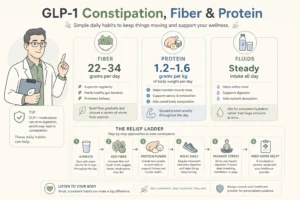
Constipation affects 24% of semaglutide patients and up to 17% on tirzepatide. This guide gives the daily targets that prevent it: 22 to 34 grams

Ozempic face is the hollow, aged look some people notice after rapid weight loss. Here is why it happens, who is most at risk, and
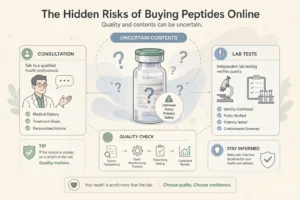
When Tennessee investigators tested counterfeit weight loss vials seized in Medina, one was mostly water. That was the good outcome. The dangers of buying peptides
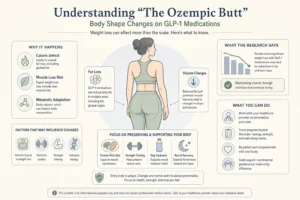
Rapid weight loss changes more than the number on the scale. Here is why the glutes, breasts, and arms often change shape on GLP-1 medications,
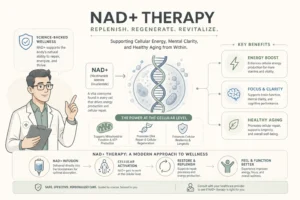
NAD+ therapy is marketed as a longevity reset for energy, focus, and healthy aging. This guide separates what the science on NAD therapy actually supports
See Body Works first in your Google results.