
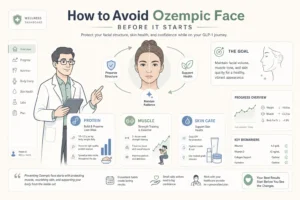
How to Avoid Ozempic Face Before It Starts
You can lower your odds of the gaunt, sunken look people call Ozempic face. Here is how pacing, protein, muscle, and skin care protect your
Once a GLP-1 medication like semaglutide or tirzepatide quiets your appetite, a new problem shows up: you are not sure what to eat, or how much, or why some meals leave you queasy for hours. The medication does the heavy lifting on hunger, but what you put on your plate decides whether you lose fat while keeping muscle, or lose weight and feel miserable doing it.
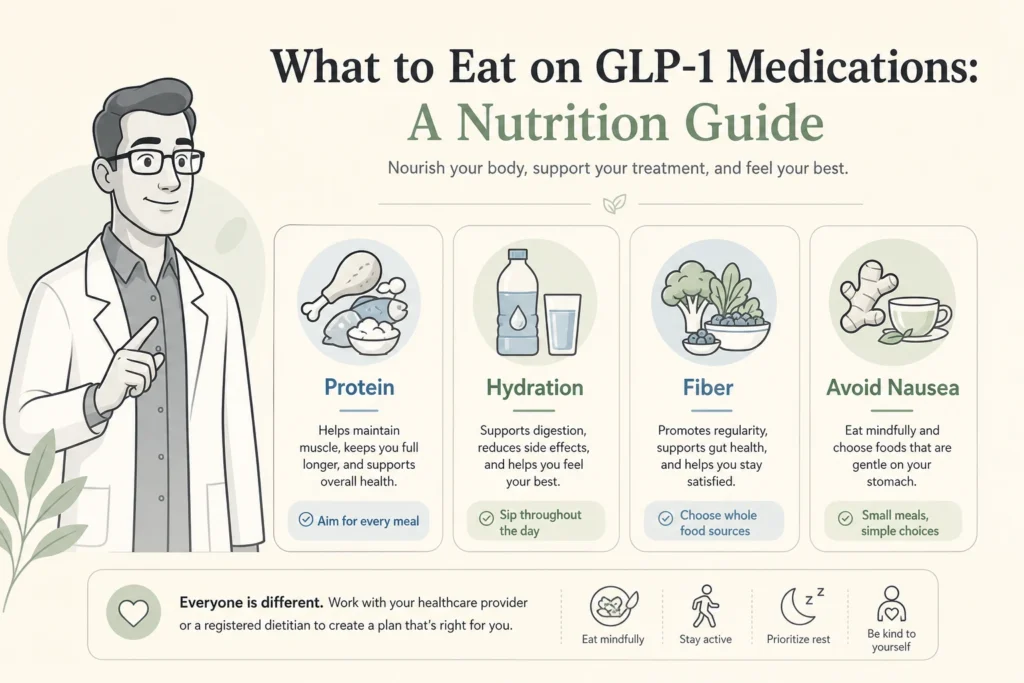
Knowing what to eat on GLP-1 therapy is not about a rigid diet. It comes down to a few simple habits: prioritize protein, eat smaller and slower, sidestep the foods that trigger nausea, and stay ahead on water and fiber. Get those right and the side effects ease while the results hold. This guide walks through each one, plus a simple day of eating you can copy.
GLP-1 medications work in part by quieting the constant food noise that drives grazing and second helpings, which is exactly why your intake can drop faster than your nutrition knowledge catches up. At Body Works in Franklin, TN and Nolensville, TN, patients hear the same nutrition guidance from day one, and it starts with protein.
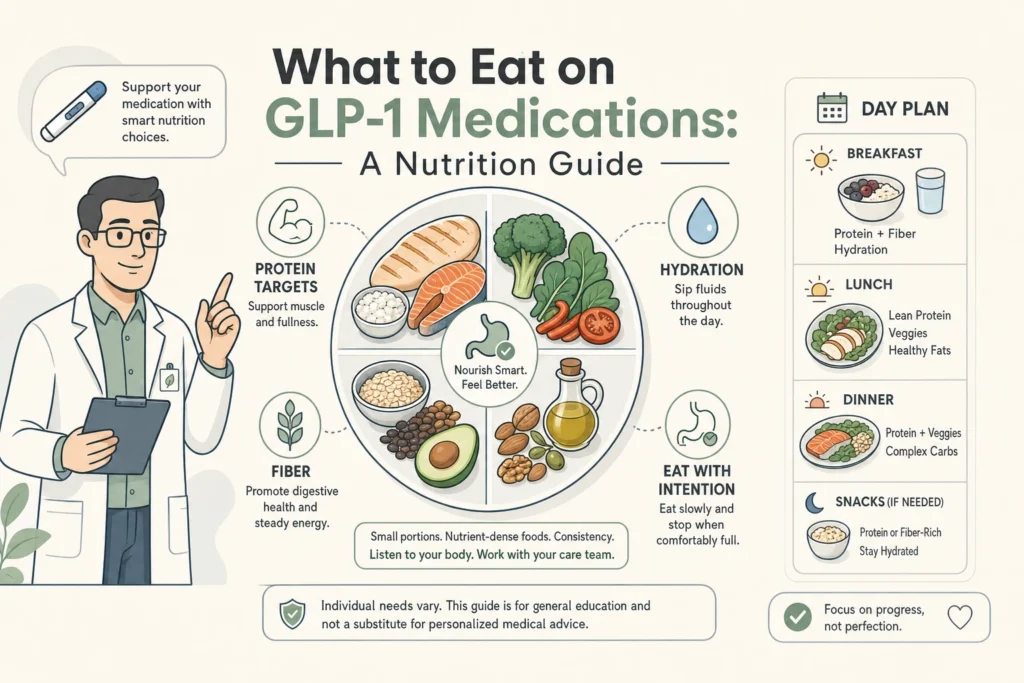
Protein matters most because rapid weight loss pulls from muscle as well as fat, and protein is what protects lean tissue while you shrink. When calories fall sharply, as they do on GLP-1 therapy, your body will break down muscle for fuel unless you feed it enough protein and give it a reason to hold on. Losing muscle slows your metabolism and leaves you weaker, which quietly undercuts the whole point of treatment.
The trouble is that most people on these medications fall short without realizing it. In a 2025 analysis in the Journal of the International Society of Sports Nutrition, only 43 percent of people taking a GLP-1 medication met the minimum protein target of 1.2 grams per kilogram of body weight, and far fewer reached higher goals, leaving many at real risk of losing muscle during weight loss.
Because muscle loss is the biggest nutritional risk of these drugs, the strategies that protect lean mass deserve as much attention as the number on the scale.
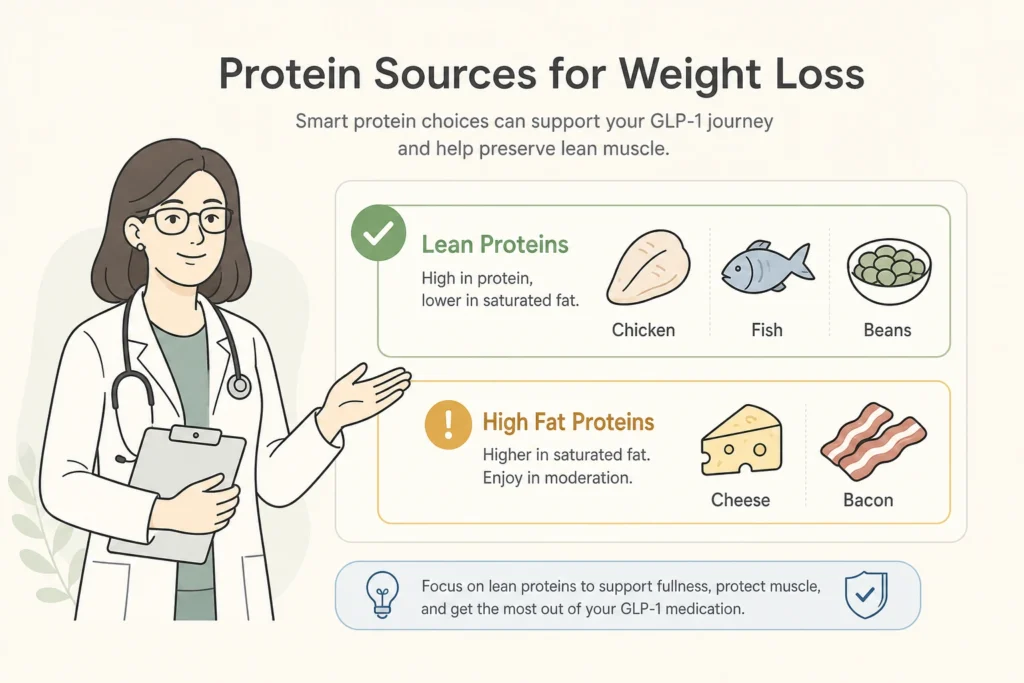
Build every plate around protein first, add fiber-rich plants next, then keep quality carbohydrates and fats to smaller amounts. With a shrunken appetite, you may only manage a few bites before you feel full, so those first bites should be the ones that protect your body. A 2026 review in the journal Nutrients recommends roughly 1.2 to 1.5 grams of protein per kilogram of body weight per day to preserve lean mass during GLP-1 weight loss, spread across meals rather than crammed into one, since the body can only use so much at a time.
Reliable, easy-to-eat protein sources include:
Many patients beginning tirzepatide with a local provider find that a protein shake covers the meals their appetite simply will not allow.
Sip water between these meals rather than during them, so liquid does not crowd out the food in an already-full stomach.
Fried and greasy meals are the usual culprits, along with very sugary or heavily processed foods, because they linger in a slowed stomach and stir up nausea, bloating, and reflux. GLP-1 medications delay how quickly your stomach empties, so a rich, heavy meal that once felt fine can now sit uncomfortably for hours. According to a Cleveland Clinic breakdown of what to eat and avoid on GLP-1 therapy, foods that stay in the stomach longer are the ones most likely to worsen gastrointestinal side effects.
Foods worth limiting, especially in the day or two after a dose:
How you eat matters as much as what you eat: slow down, put the fork down between bites, and stop at comfortable fullness instead of an empty plate. If your nausea spikes right after a dose increase, that is worth raising with your provider, since microdosing and gradual maintenance dosing are meant to smooth exactly these transitions.
Fiber matters because it keeps digestion moving and helps prevent the constipation that GLP-1 medications commonly cause. Slowed stomach emptying plus a smaller food volume can leave the whole system sluggish, and fiber is the simplest fix. The full relief ladder, from fiber targets to when to call your prescriber, is in our guide to GLP-1 constipation, fiber, and protein. A 2024 review in Frontiers in Nutrition on dietary fiber notes that adults should aim for roughly 25 grams a day for women and 38 grams for men, yet most people fall well short, and that soluble fiber forms a gel that steadies blood sugar while insoluble fiber supports regularity.
Good fiber sources that pair well with a protein-first plate include:
Add fiber gradually and drink more water as you do, since a sudden jump can cause gas and cramping.
Steady hydration is one of the easiest ways to blunt GLP-1 side effects, because dehydration worsens nausea, fatigue, headaches, and constipation all at once. When your appetite drops, your fluid intake often drops with it, since a lot of daily water normally comes from food and from drinks you no longer crave. A Cleveland Clinic explainer on daily water needs suggests a general starting point of about 73 ounces a day for women and 104 ounces for men, with more needed during exercise or hot weather.
Keep a water bottle within reach and sip through the day rather than gulping large amounts at meals. If plain water feels boring, unsweetened flavored water, herbal tea, and water-rich foods like cucumber and watermelon all count toward the total. Watch for early dehydration signs such as dark urine, dizziness, or a nagging headache.
Alcohol is best kept to a minimum on GLP-1 therapy, because it delivers empty calories, can irritate an already-slowed stomach, and may worsen nausea. It also works against the calorie deficit you are trying to create. A Cleveland Clinic overview of how alcohol affects weight loss notes that a standard drink carries roughly 100 to 150 calories with no nutrition or fullness, and that the body prioritizes metabolizing alcohol over burning fat, slowing your progress.
If you do choose to drink, keep it occasional and light, pair it with food and water, and pay attention to how your stomach responds. Many people find their tolerance drops on these medications, so the same amount that once felt fine can hit harder now.
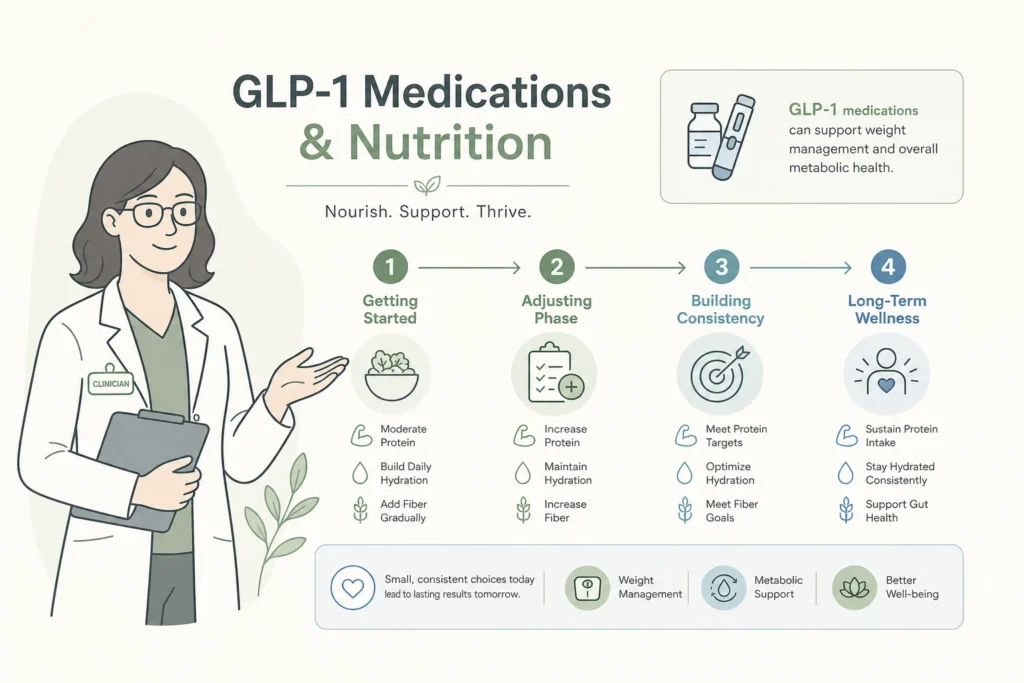
The right way to eat on GLP-1 therapy is the version you can actually sustain, and that looks different for each person depending on starting weight, activity level, and how the medication hits your stomach. A medically supervised weight loss program pairs your prescription with practical nutrition coaching, so you are not guessing at protein targets or troubleshooting nausea on your own.
At Body Works, care teams in Franklin and Nolensville help you build a plan that protects muscle, eases side effects, and fits your real life. If you are starting a GLP-1 medication or already on one and struggling with what to eat, Schedule a Free Consultation to get a plan built around you.
Medically reviewed by Dr. Donald Vollmer, MD
Managing Physician, Body Works TN
You can lower your odds of the gaunt, sunken look people call Ozempic face. Here is how pacing, protein, muscle, and skin care protect your
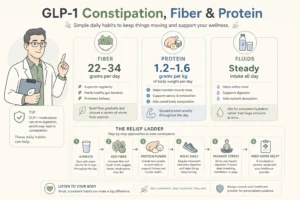
Constipation affects 24% of semaglutide patients and up to 17% on tirzepatide. This guide gives the daily targets that prevent it: 22 to 34 grams
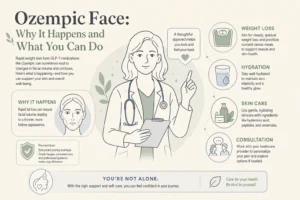
Ozempic face is the hollow, aged look some people notice after rapid weight loss. Here is why it happens, who is most at risk, and
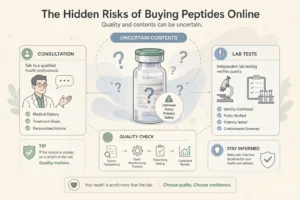
When Tennessee investigators tested counterfeit weight loss vials seized in Medina, one was mostly water. That was the good outcome. The dangers of buying peptides
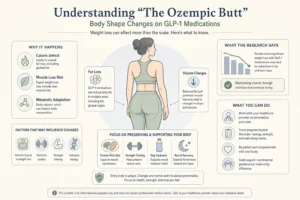
Rapid weight loss changes more than the number on the scale. Here is why the glutes, breasts, and arms often change shape on GLP-1 medications,
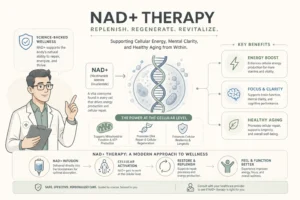
NAD+ therapy is marketed as a longevity reset for energy, focus, and healthy aging. This guide separates what the science on NAD therapy actually supports
See Body Works first in your Google results.