

How to Avoid Ozempic Face Before It Starts
You can lower your odds of the gaunt, sunken look people call Ozempic face. Here is how pacing, protein, muscle, and skin care protect your
Nobody warns you about the third week. The nausea from the first injections has settled, the scale has started to move, and then your digestion simply stops. On semaglutide, one in four patients in the FDA label reports constipation. On tirzepatide it is as many as one in six. Most of them never hear a plan for it until they are already uncomfortable.
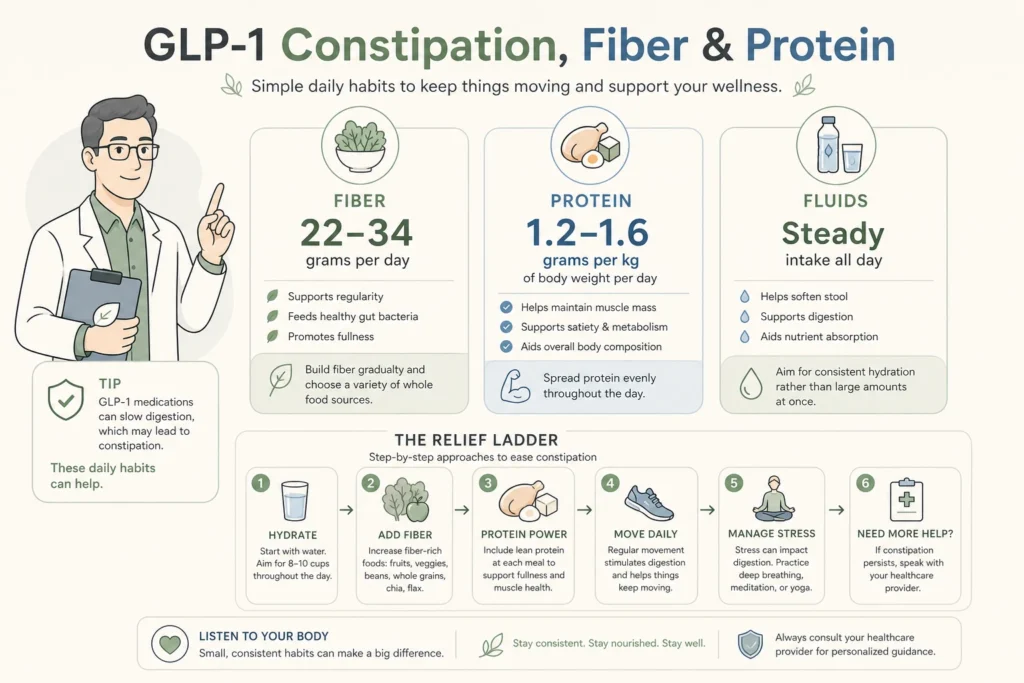
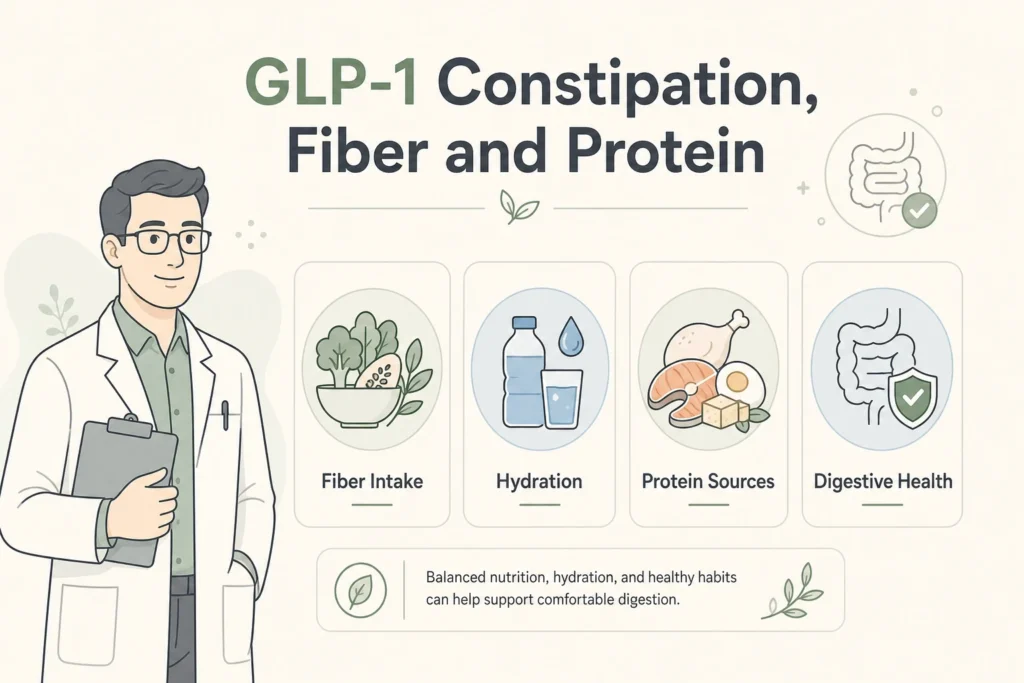
GLP-1 constipation is predictable, and it is manageable with three numbers: 22 to 34 grams of fiber a day, 1.2 to 1.6 grams of protein per kilogram of body weight, and enough fluid to make both of them work. All three medications slow the movement of food through your gut and cut how much you eat, so there is less bulk and less water, and transit slows. The fix is a schedule set before the problem starts, with a defined escalation order if it shows up anyway.
Body Works offers physician-supervised GLP-1 programs in Franklin, TN and Nolensville, TN, and the guidance below is the part of that program that rarely makes it into the prescribing conversation.
Because these medications slow stomach emptying and shrink your food intake at the same time, and both changes remove what a normal bowel movement is made of. In the FDA prescribing information for semaglutide, constipation was reported by 24% of patients compared with 11% on placebo, tied with vomiting and behind only nausea and diarrhea. The FDA label for tirzepatide lists constipation in 17% of patients at 5 mg, 14% at 10 mg, and 11% at 15 mg, against 5% on placebo. Retatrutide has no label yet. In its phase 2 trial published in the New England Journal of Medicine, gastrointestinal events were the most common side effect and were dose related, and a lower starting dose reduced them.
Slower transit gives the colon more time to pull water out of stool, so it hardens. A smaller appetite means less fiber and less volume to push. Nausea makes people drink less. Constipation on GLP-1 medications is the combined result of slower gut movement, a smaller volume of food and fiber, and lower fluid intake, which is why both labels list it among the most common adverse reactions rather than a rare one.
Adults need 22 to 34 grams of fiber a day depending on age and sex, and that target does not drop just because your appetite did. The National Institute of Diabetes and Digestive and Kidney Diseases guidance on eating for constipation points to whole grains, legumes, fruit with the skin on, vegetables, and nuts, while limiting low-fiber processed foods such as chips and fast food. Soluble fiber from oats and beans holds water and softens stool. Insoluble fiber from whole grains and vegetable skins adds the bulk that moves it.
Timing matters more on these medications than for most people. The 2025 joint nutrition advisory from the Obesity Medicine Association, The Obesity Society, and two partner societies recommends avoiding fatty and high-fiber foods during the first few days of treatment while nausea is at its worst, then increasing fiber gradually, with prunes and other dried fruit named as useful. The NIDDK’s own advice is to add fiber a little at a time, which in practice means a couple of weeks, not a weekend. When food alone cannot close the gap, a psyllium husk supplement (the fiber in products such as Metamucil) is the usual bridge.
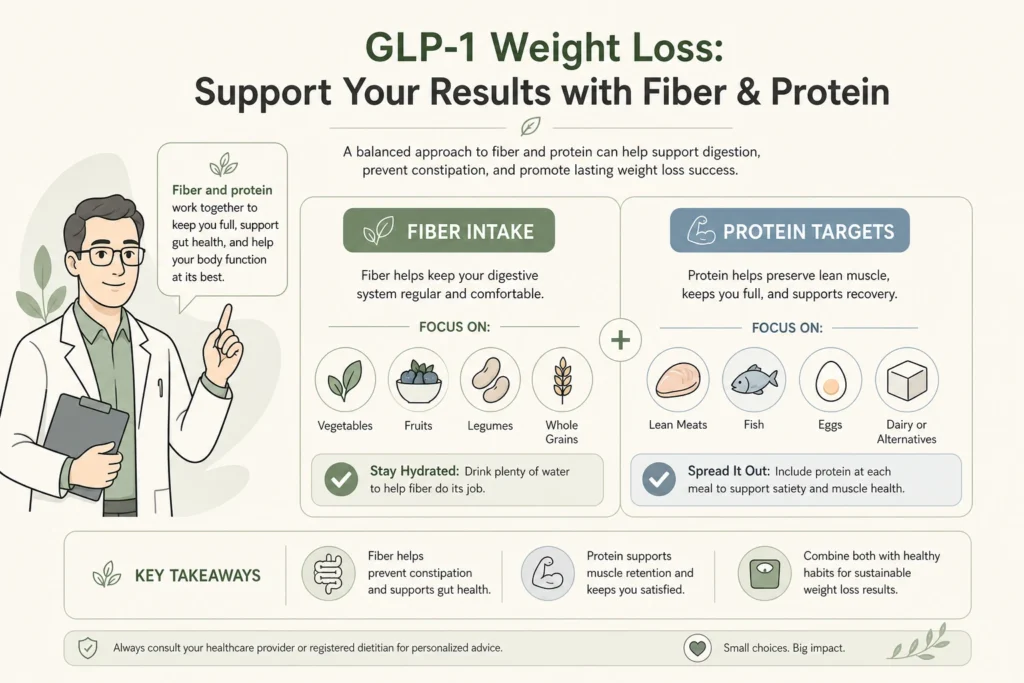
During GLP-1 weight loss, 1.2 to 1.6 grams of protein per kilogram of body weight per day, combined with strength training three times a week, is the evidence-based floor for protecting lean mass: in the STEP 1 semaglutide trial, 38% of the weight lost was lean body mass. Those figures come from the same joint nutrition advisory, which also offers an absolute target of 80 to 120 grams a day. For a 180-pound adult that is roughly 100 to 130 grams.
Protein is the first thing that disappears from a shrinking appetite, because a chicken breast is harder to want than crackers. Put it first on the plate at every meal and split it across the day rather than saving it for dinner. Pair every protein serving with a fiber source and a glass of water, because protein eaten without fiber and fluid makes constipation worse. The longer case for lean mass is in our guide to preventing muscle loss on GLP-1 medications, and the food-by-food breakdown is in what to eat on GLP-1 medications.
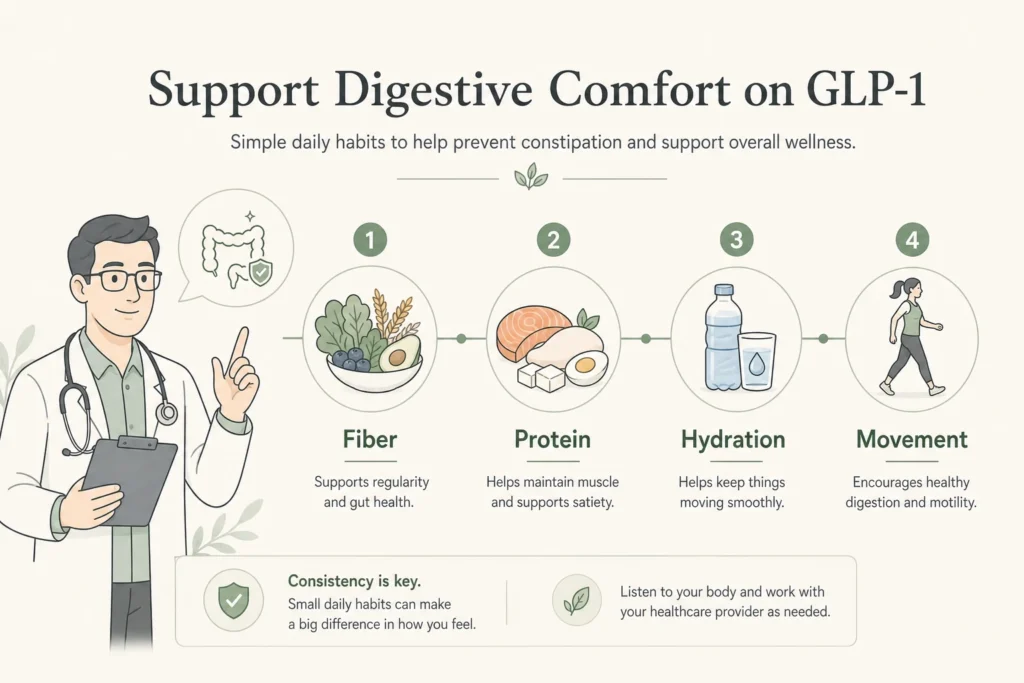
For GLP-1 constipation, the evidence-based order is fluids, then gradual fiber, then daily movement and timed bathroom habits, then psyllium, then an osmotic agent or magnesium, with stimulant laxatives reserved for severe cases under medical direction. A fixed ladder, climbed in order, resolves most cases without a prescription, and the NIDDK constipation treatment guidance lays out the sequence:
Two signals mean you stop climbing and call your prescriber the same day. The first is severe or persistent abdominal pain, because both FDA labels carry warnings for acute pancreatitis and acute gallbladder disease. The second is being unable to keep fluids down, because the tirzepatide label ties acute kidney injury to dehydration from gastrointestinal side effects.
Steady fluids and small meals matter, and so does not rushing the dose. Dehydration is the most under-discussed risk on these medications. Both FDA labels warn that acute kidney injury has occurred, most often in patients who were already vomiting or having diarrhea, and the joint advisory names preventing it as a treatment priority. Sip fluids across the whole day rather than a large volume at once, and ask your prescriber about electrolytes if vomiting or diarrhea persists. Patients who cannot keep fluids down at all are who custom IV hydration exists for, as a bridge rather than a substitute for adjusting the dose.
The advisory’s meal instruction is a small breakfast followed by small meals every three to four hours, with fatty foods avoided during dose escalation. Stop eating at the first signal of fullness, because the medication has moved that signal earlier. The semaglutide label escalates from 0.25 mg to 2.4 mg over 16 weeks in four-week steps specifically to minimize gastrointestinal reactions, and tirzepatide moves from 2.5 mg to 5 mg after four weeks, then in 2.5 mg steps at least four weeks apart. A prescriber who holds you at a dose for an extra month is following the label, not stalling your progress.
| Factor | Semaglutide | Tirzepatide | Retatrutide |
|---|---|---|---|
| Constipation (label or trial) | 24% vs 11% placebo | 11% to 17% vs 5% placebo | Not yet labeled, gastrointestinal events dose related in phase 2 |
| Nausea | 44% vs 16% placebo | 25% to 29% vs 8% placebo | Most common side effect class, mostly mild to moderate |
| Escalation schedule | 0.25 mg to 2.4 mg over 16 weeks, four-week steps | 2.5 mg start, 5 mg at week 5, then 2.5 mg steps at least four weeks apart | Lower starting dose (2 mg vs 4 mg) reduced side effects in phase 2 |
| Weight change in the pivotal study | 14.9% at 68 weeks | 20.9% at 72 weeks (15 mg) | 24.2% at 48 weeks (12 mg, phase 2) |
| What helps most | The same ladder for all three: fluids, gradual fiber, protein at 1.2 to 1.6 g/kg, daily movement, psyllium, then osmotic agents under medical direction | ||
These percentages come from the FDA labels for semaglutide and tirzepatide and the retatrutide phase 2 trial linked above, and they describe each medication against its own placebo group, not against each other. The prevention plan is identical no matter which of the three you are prescribed. For a fuller comparison, see retatrutide vs tirzepatide vs semaglutide.
In 2025, our Nolensville office alone saw more than 130 patients through its medical weight loss program. The point of this guide is to have those targets in place before the first dose rather than after the first bad week. Patients in the physician-supervised weight loss program start on the labeled titration under a licensed clinician and stay supported for the whole course, which is where these numbers get adjusted to your weight, your labs, and your first four weeks. At the start of therapy, our staff walk through nutrition and symptom guidance and send you home with written guides. When a patient reports constipation, the team reviews food and fluid intake and when the symptom began relative to the last dose increase.
Whether you are considering one of these medications or you are on one now and want the side effects handled properly, our teams in Franklin and Nolensville can build the plan around you. Schedule a Free Consultation to get started.
Medically reviewed by Dr. Donald Vollmer, MD
Managing Physician, Body Works TN
You can lower your odds of the gaunt, sunken look people call Ozempic face. Here is how pacing, protein, muscle, and skin care protect your

Ozempic face is the hollow, aged look some people notice after rapid weight loss. Here is why it happens, who is most at risk, and

When Tennessee investigators tested counterfeit weight loss vials seized in Medina, one was mostly water. That was the good outcome. The dangers of buying peptides
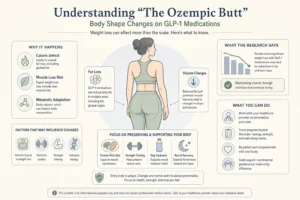
Rapid weight loss changes more than the number on the scale. Here is why the glutes, breasts, and arms often change shape on GLP-1 medications,

NAD+ therapy is marketed as a longevity reset for energy, focus, and healthy aging. This guide separates what the science on NAD therapy actually supports

A candid, evidence-based look at what natural methods can and cannot do for loose skin after GLP-1 weight loss, from protein and resistance training to
See Body Works first in your Google results.