How IV Therapy Supports Autoimmune Disease Management

How IV Therapy Supports Autoimmune Disease Management

March 7, 2026

Living with an autoimmune disease often feels like your body has turned against you. One day you’re fine, and the next you’re dealing with crushing fatigue, joint pain, or brain fog that makes simple tasks feel impossible. Over 23.5 million Americans navigate this reality daily, searching for ways to manage symptoms and reclaim their quality of life.

While conventional treatments remain essential, many patients are exploring complementary approaches to support their overall wellness. IV therapy has emerged as one option that may help address specific challenges autoimmune patients face, particularly nutrient deficiencies and chronic inflammation. At Body Works, our licensed medical team works with patients to develop personalized treatment plans that integrate supportive therapies alongside conventional care.

Let’s explore what the research says about IV therapy for autoimmune conditions, how it works, and whether it might be right for you.
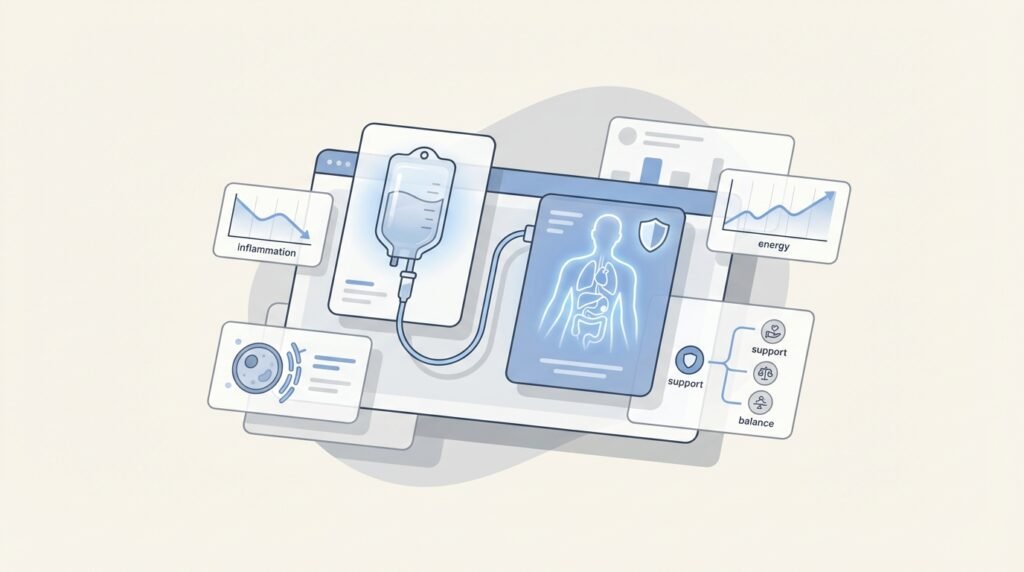
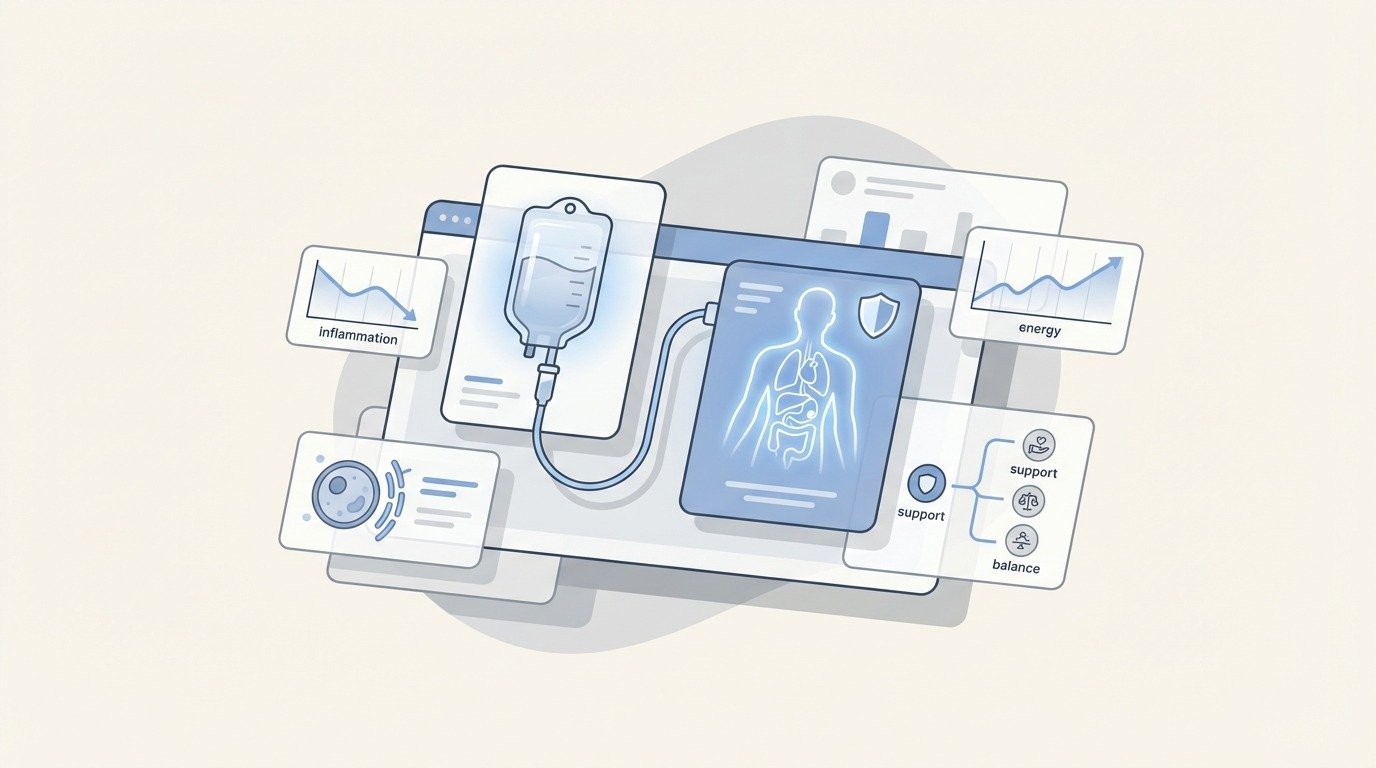
IV therapy for autoimmune disease management

Understanding autoimmune diseases and your immune system

Your immune system is designed to protect you from harmful invaders like bacteria and viruses. But in autoimmune diseases, something goes wrong. Your immune system mistakenly identifies your own healthy cells as threats and launches an attack. The result? Chronic inflammation, tissue damage, and a wide range of symptoms that vary depending on which part of your body is being targeted.

Some of the most common autoimmune conditions include:

Rheumatoid arthritis attacks joints, causing pain and swelling

Lupus can affect skin, joints, kidneys, and other organs

Multiple sclerosis targets the protective covering of nerve cells

Hashimoto’s thyroiditis damages the thyroid gland

Crohn’s disease causes inflammation in the digestive tract

Celiac disease triggers immune response to gluten, damaging the small intestine

The symptoms often come in waves called flares. During a flare, you might experience extreme fatigue, joint stiffness, muscle aches, fever, and difficulty concentrating. Between flares, symptoms may subside, but the underlying condition remains.

Scientists still don’t fully understand what triggers autoimmune diseases. Genetics play a role, but environmental factors like infections, stress, and exposure to certain chemicals may also contribute. What we do know is that managing these conditions typically requires a multifaceted approach that addresses both the immune dysfunction and its downstream effects on your body.

IV therapy treatment chair in clinical setting

What the research says about IVIG therapy

When discussing IV therapy and autoimmune diseases, it’s important to distinguish between two very different approaches. The first, and most thoroughly researched, is IVIG (Intravenous Immunoglobulin). This is a prescription medical treatment with FDA approval for specific autoimmune conditions.

IVIG consists of concentrated antibodies derived from the plasma of thousands of healthy donors. A comprehensive 2025 review published in Autoimmunity Reviews examined IVIG’s effectiveness across numerous autoimmune conditions. The researchers found consistent evidence supporting IVIG as a second-line treatment or adjuvant therapy capable of positively influencing the clinical course of many autoimmune pathologies while maintaining a good safety profile.

Currently, IVIG is FDA-approved for:

Kawasaki disease an inflammatory condition affecting blood vessels

Immune thrombocytopenia (ITP) low platelet count caused by immune destruction

Guillain-Barré syndrome a rapid-onset muscle weakness disorder

Chronic inflammatory demyelinating polyradiculoneuropathy (CIDP) progressive weakness and impaired sensory function

Multifocal motor neuropathy (MMN) progressive muscle weakness

A 2023 study published in Antibodies detailed how IVIG works as an immunomodulator. The therapy appears to function through several mechanisms:

Fc receptor blockade prevents immune cells from attacking healthy tissue

Complement regulation reduces inflammation caused by the complement system

Cytokine modulation helps balance inflammatory and anti-inflammatory signals

Neutralization of pathogenic autoantibodies blocks the antibodies that attack your own cells

Research published in the Journal of Clinical Medicine suggests IVIG is often used off-label for conditions like myositis and vasculitis when conventional treatments prove insufficient. However, it’s important to understand that IVIG requires a prescription and is typically administered in clinical settings under medical supervision.
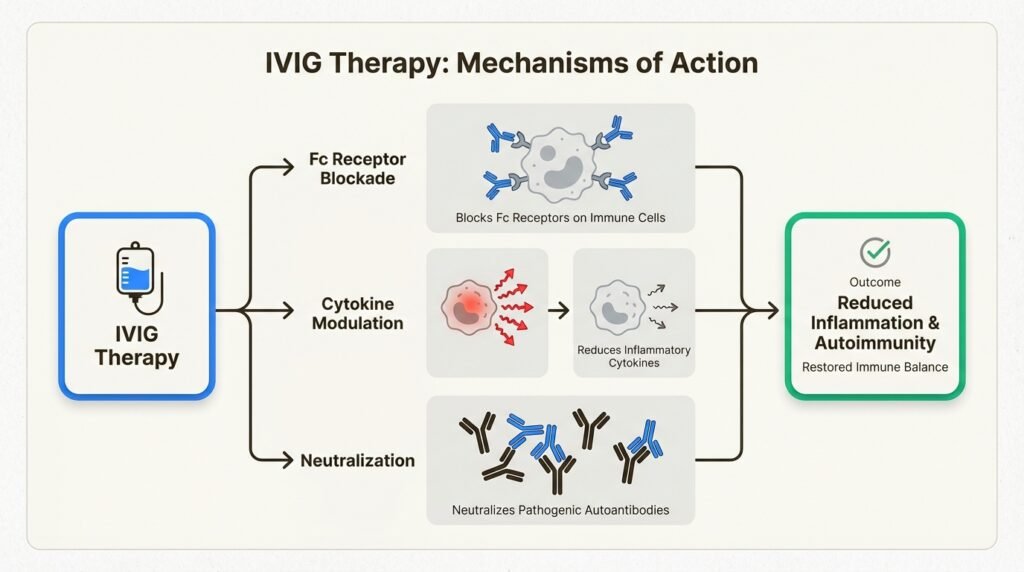
IVIG therapy mechanisms of action diagram

Nutritional IV therapy for autoimmune support

The second type of IV therapy takes a different approach. Rather than delivering immunoglobulins, nutritional IV therapy provides vitamins, minerals, and antioxidants directly into your bloodstream. This bypasses the digestive system entirely, which can be particularly beneficial for autoimmune patients who often struggle with nutrient malabsorption.

Why might this matter? Many autoimmune conditions affect the gut. Inflammatory bowel diseases like Crohn’s directly damage the intestinal lining. Even conditions that don’t primarily target the digestive system can cause inflammation that impairs nutrient absorption. When your gut isn’t absorbing nutrients effectively, oral supplements may not deliver the full benefit.

Common nutrients used in autoimmune-focused IV therapy include:

The Mayo Clinic offers a balanced perspective on this approach. Dr. Brent Bauer, director of research at Mayo Clinic’s Integrative Medicine and Health section, notes that while there’s limited evidence for IV vitamin therapy in people with normal nutritional levels, it can be effective for those with specific deficiencies or absorption issues. For autoimmune patients who struggle with malabsorption, this distinction matters.

It’s worth noting that nutritional IV therapy is not a cure for autoimmune diseases. Rather, it may help address specific symptom clusters like fatigue, inflammation, and nutrient deficiencies that often accompany these conditions.
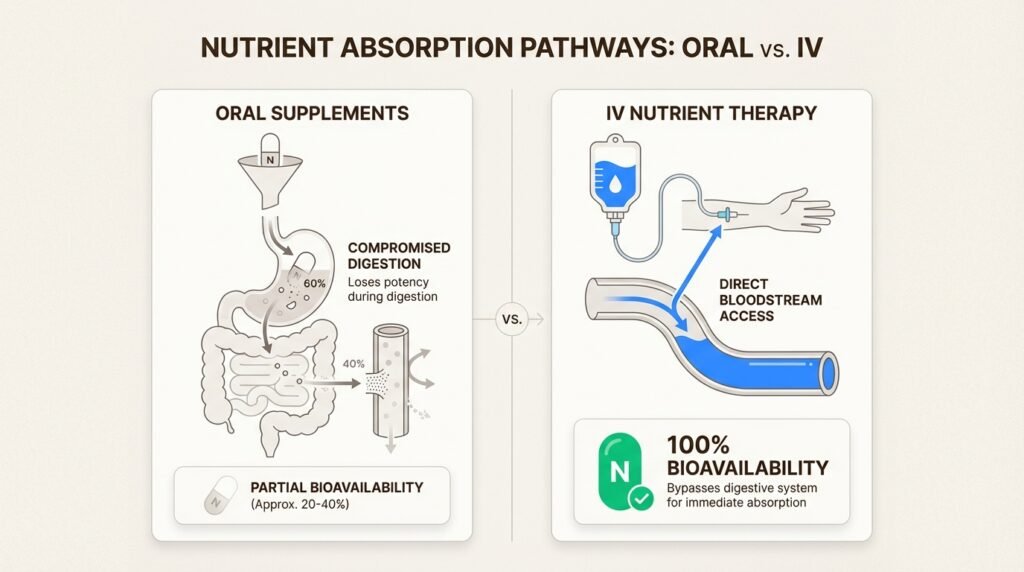
Nutrient absorption pathways - oral supplements vs IV therapy

Conditions that may benefit from IV therapy

While research continues to evolve, certain autoimmune conditions show particular promise for IV therapy support:

Rheumatoid arthritis patients may benefit from anti-inflammatory nutrients like vitamin C and glutathione. These compounds help combat the chronic inflammation that damages joints and causes pain.

Lupus often involves widespread inflammation and fatigue. IV therapy focused on hydration and immune-modulating nutrients may help support overall wellness during flares.

Multiple sclerosis affects the nervous system, making neuroprotective nutrients particularly relevant. Magnesium and B vitamins play crucial roles in nerve function and may offer supportive benefits.

Hashimoto’s thyroiditis patients frequently have specific nutrient needs. Selenium and zinc are essential for thyroid function, while B12 supports energy production that many Hashimoto’s patients struggle with.

Crohn’s disease and celiac disease both involve damage to the digestive tract that impairs nutrient absorption. IV therapy can deliver essential nutrients directly, bypassing the compromised digestive system entirely.

Chronic fatigue syndrome and fibromyalgia, while not strictly autoimmune, often overlap with autoimmune conditions and share symptoms like pain and exhaustion. Some small studies suggest IV nutrient therapy may help improve quality of life in these conditions.

The key point here is that IV therapy should complement, not replace, your conventional treatment plan. Medications prescribed by your rheumatologist or specialist remain essential for managing the underlying disease process. IV therapy may simply provide additional support for specific symptoms or deficiencies.
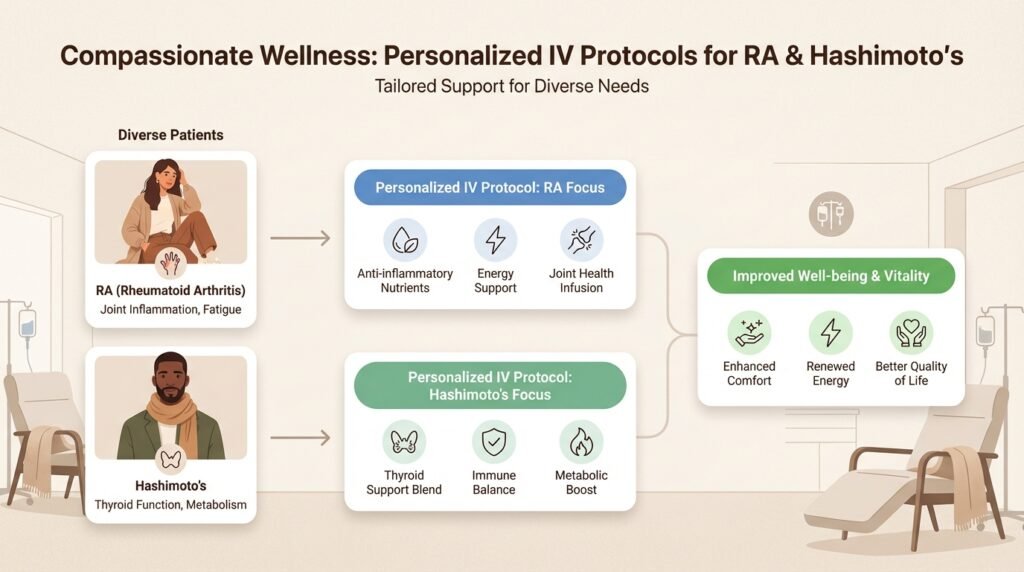
Personalized IV protocols for autoimmune conditions

What to expect during IV therapy treatment

If you’re considering IV therapy, understanding the process can help you feel more comfortable. At Body Works, we prioritize making the experience as smooth as possible.

Your journey begins with a consultation. Our licensed Nurse Practitioners and Registered Nurses review your medical history, current symptoms, and any medications you’re taking. This helps us determine whether IV therapy is appropriate for your specific situation and design a personalized protocol.

The treatment itself is straightforward. You’ll relax in a comfortable chair while a small IV catheter is placed in your arm. The infusion typically takes 30 to 60 minutes, depending on the specific nutrients and your individual protocol. Many patients use this time to read, work on their phones, or simply rest.

Frequency varies based on your needs. Some patients start with weekly sessions and gradually extend the interval as their nutrient levels improve. Others find that monthly maintenance sessions work best for managing chronic symptoms. Your care team will work with you to find the right schedule.

What about results? Some benefits, like improved hydration, may be noticeable immediately. Others, such as reduced fatigue or decreased inflammation, typically develop over several sessions as nutrient levels in your body normalize. Most patients report feeling improvements within the first few weeks of treatment.

Side effects are generally mild and temporary. You might experience slight fatigue, a mild headache, or minor irritation at the IV insertion site. Serious complications are rare when treatment is administered by qualified medical professionals in a clinical setting.

You can learn more about our custom IV hydration services and how we tailor treatments to individual needs.

Is IV therapy right for you?

Deciding whether to incorporate IV therapy into your wellness routine requires honest assessment of your situation and goals.

Good candidates typically include:

Patients with documented nutrient deficiencies

Those experiencing significant fatigue or inflammation despite conventional treatment

Individuals with digestive conditions that impair nutrient absorption

People seeking complementary support alongside their existing medical care

However, IV therapy isn’t for everyone. It’s not a replacement for prescription medications that manage your underlying autoimmune condition. If you’re looking for a cure or hoping to stop your conventional treatments, IV therapy won’t meet those expectations.

Cost is another practical consideration. IV therapy typically isn’t covered by insurance when used for wellness purposes. At Body Works, we offer Cherry payment plans to help make treatment more accessible, with flexible monthly payments and no hard credit check.

Medical supervision matters. IV therapy should always be administered by qualified healthcare providers who understand autoimmune conditions and can monitor for potential interactions with your medications. Our team includes four Nurse Practitioners and three Registered Nurses who work under the direction of owner Justin Williams to ensure safe, personalized care.

If you’re curious about whether IV therapy might help you, the best next step is a conversation with our team. We offer free consultations at both our Franklin and Nolensville locations. During this consultation, we’ll discuss your health history, current symptoms, and whether IV therapy aligns with your wellness goals.

Living with an autoimmune disease is challenging, but you don’t have to navigate it alone. The right combination of conventional treatment and supportive therapies can help you feel more like yourself again. IV therapy represents one tool in a comprehensive approach to managing autoimmune conditions, and for many patients, it makes a meaningful difference in their daily quality of life.

Frequently Asked Questions

No, IV therapy cannot cure autoimmune diseases. It may help manage symptoms like fatigue and inflammation, and address nutrient deficiencies, but it should be used as a complementary therapy alongside conventional medical treatment prescribed by your specialist.
Frequency varies by individual needs. Many patients start with weekly sessions and adjust based on their response. Your healthcare provider will recommend a schedule based on your specific condition, symptoms, and treatment goals.
When administered by qualified medical professionals, IV therapy is generally safe. Mild side effects like fatigue, headache, or IV site irritation can occur. Serious complications are rare. Always ensure your provider knows about all medications you’re taking to avoid potential interactions.
IV therapy delivers nutrients directly into your bloodstream, bypassing the digestive system. This ensures 100% absorption and immediate availability to your cells. Oral supplements must pass through the digestive tract, where absorption can be impaired, especially in autoimmune patients with gut inflammation.
Common nutrients include vitamin C for inflammation, glutathione for detoxification, B vitamins for energy, magnesium for muscle function, and zinc and selenium for immune regulation. The specific blend is tailored to your individual needs and condition.
Nutritional IV therapy used for wellness purposes is typically not covered by insurance. However, some clinics offer payment plans or package pricing to make treatment more affordable. Check with your provider about financing options.
In most cases, yes. IV therapy is designed to complement, not replace, your conventional treatment plan. However, it’s essential that your IV therapy provider knows about all medications you’re taking to ensure safety and avoid any potential interactions.

Medically reviewed by Dr. Donald Vollmer, MD
Managing Physician, Body Works TN

Browse Our Blog
Diet vs Exercise: Which Is More Effective for Weight Loss?

Diet vs Exercise: Which Is More Effective for Weight Loss?

March 3, 2026

Let’s settle the age-old wellness debate: if you want to lose weight, should you focus on what you eat or how much you move? It’s one of the most common questions people ask when they’re trying to get healthier.

It’s a huge question, right? And while the easy answer is “both,” it’s a bit more nuanced than that. The truth is, nutrition and exercise play very different but equally important roles in your weight loss journey. Understanding when and how to use each one is what separates a short-term crash from a real, lasting transformation.

Think of it this way: one is your go-to for getting things started, while the other is your key player for keeping the results going. Let’s break it all down.

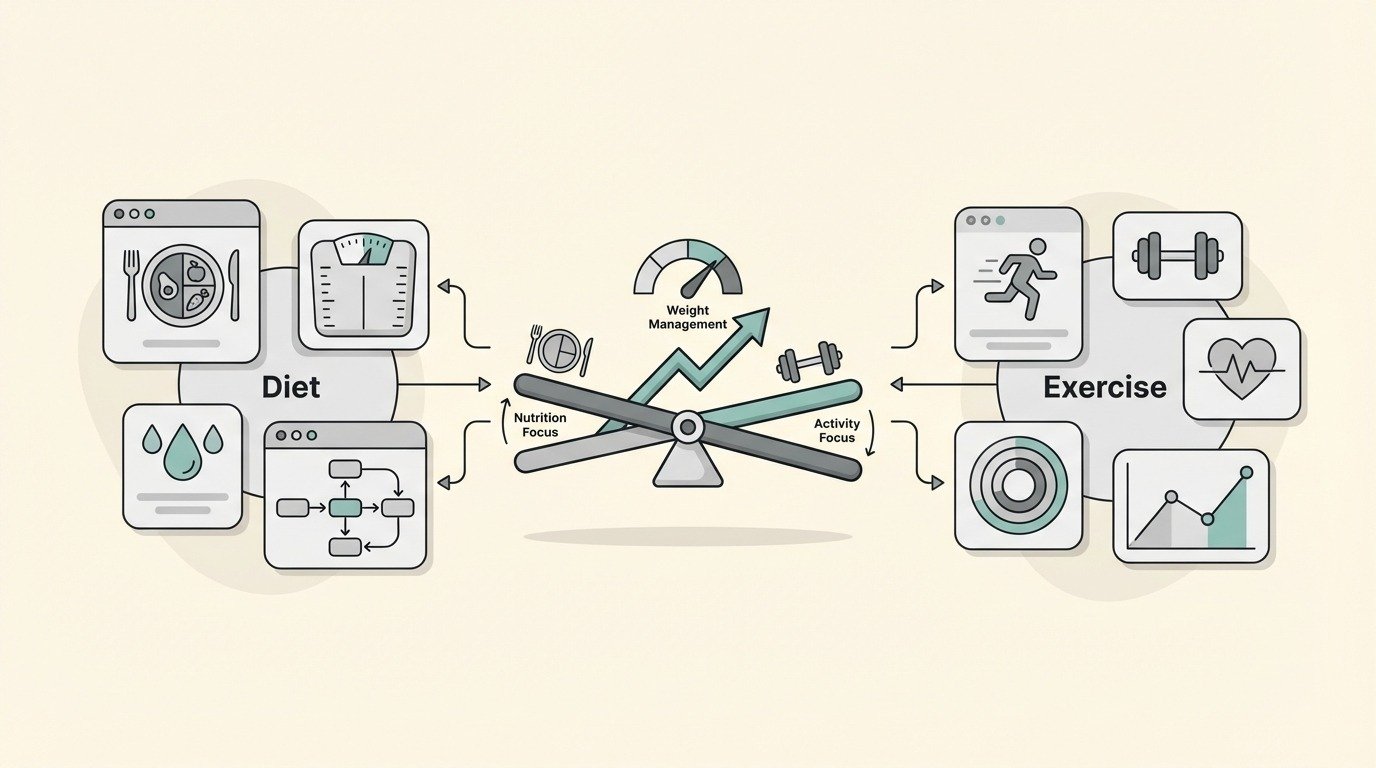
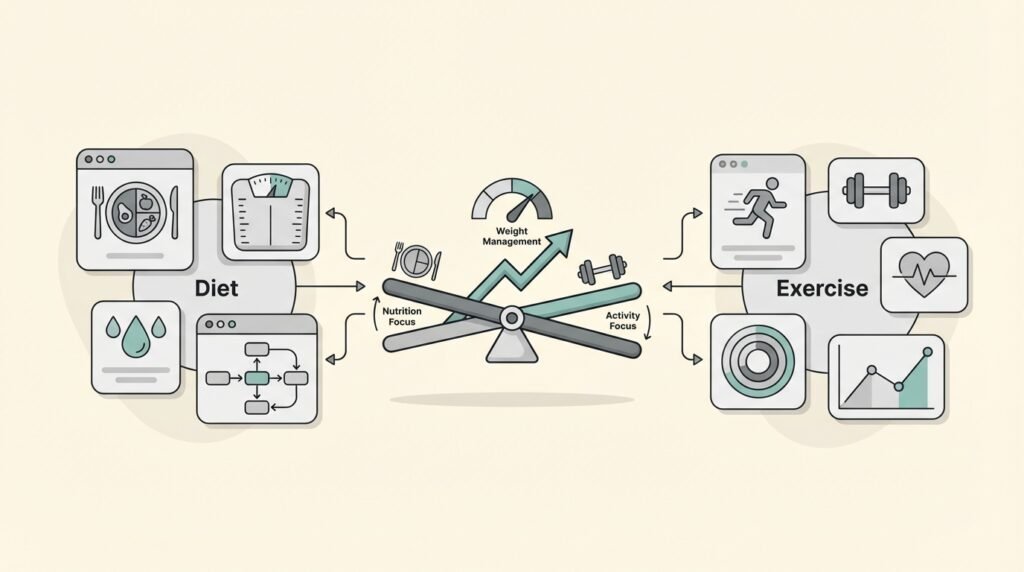
Diet vs exercise for weight loss comparison

Understanding the Diet vs. Exercise Debate

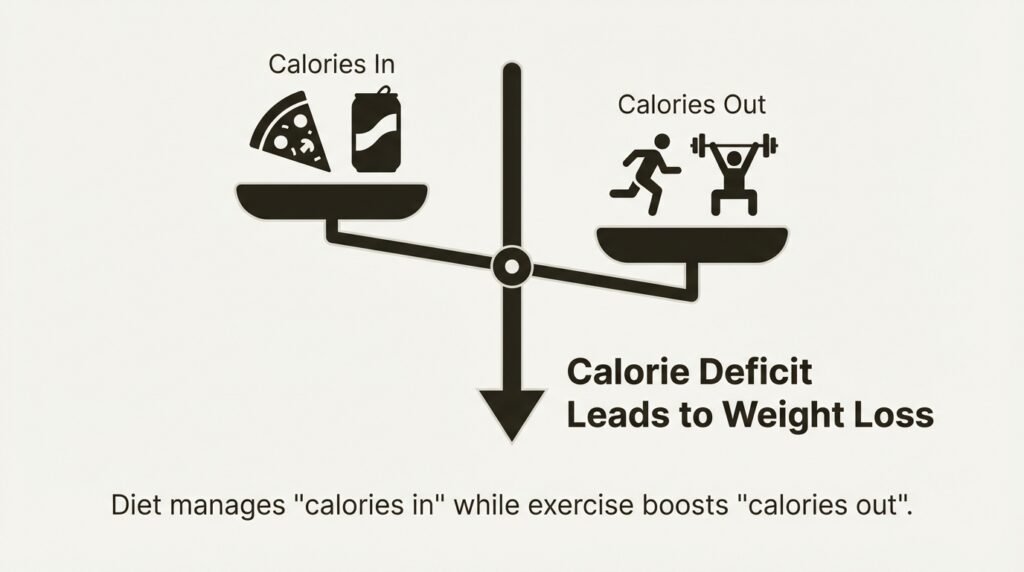
Before we pick a side, let’s get back to basics. Weight loss really comes down to one thing: a calorie deficit. That just means burning more energy than you take in. Both diet and exercise can help you get there, but they do it in very different ways. Diet controls the “calories in” part, while exercise boosts the “calories out.”

Calorie deficit balance - calories in vs calories out

The Role of Diet in Weight Loss

Your diet is all about what you put into your body, which makes it the most direct way to manage your calorie intake. From cutting out sugary drinks to choosing more filling, nutritious foods, changing what you eat can have a massive impact on your daily calorie count without ever having to break a sweat.

According to Colleen Alrutz, a health and fitness manager at Piedmont, when it comes to dropping pounds, diet wins about 70% of the time. The math backs it up: to lose about one to one and a half pounds per week, you generally need a daily deficit of 500 to 750 calories. It’s simply easier to create that deficit by eating less than it is to exercise it away.

Of course, it’s not just about the numbers. The quality of your food is a massive part of the puzzle. Choosing nutrient-rich foods like vegetables, lean proteins, and whole grains keeps you fuller for longer, meaning you’re less likely to overeat. This is especially true when combined with tools that help you manage cravings and stick to your plan.

The Role of Exercise in Weight Loss

Exercise is the engine that revs up the “calories out” side of things. It boosts the total amount of energy your body uses in a day, helping to widen that calorie gap. But just as importantly, it shapes how your body changes, making sure you’re losing fat, not muscle.

The Department of Health and Human Services has some solid guidelines for getting the most out of your movement:

Aerobic activity: This is your cardio, which includes activities like brisk walking, running, swimming, or cycling. Aim for at least 150 minutes of moderate activity or 75 minutes of vigorous activity per week. Cardio is fantastic for burning calories while you’re doing it.

Strength training: Hitting all your major muscle groups with strength exercises at least twice a week is a big deal. Why? Because muscle is metabolically active tissue. The more muscle you have, the more calories your body burns even when you’re just sitting on the couch. Muscle mass is actually the main factor in your basal metabolic rate (BMR).

Why Diet Drives Initial Weight Loss

When you’re first starting, putting your focus on nutrition will give you the biggest return on your effort. There’s a reason for that saying, “you can always out-eat your exercise.”

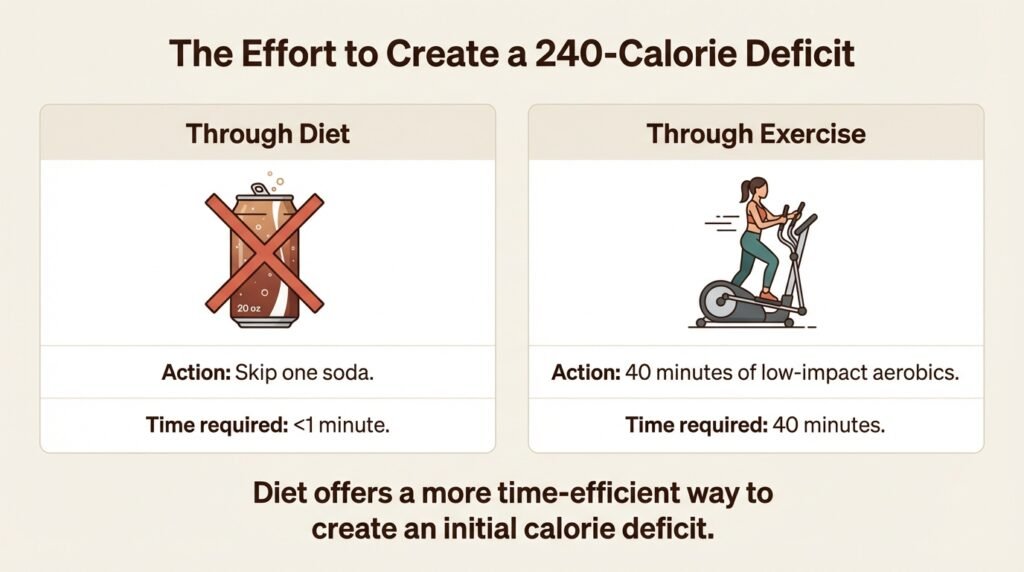
Let’s put it in perspective. Imagine you decide to cut out your daily 20-ounce soda. Just like that, you’ve dropped 240 calories from your day. To burn the same amount through exercise, according to data from the Mayo Clinic, a 160-pound person would need to walk briskly for about 35 minutes. Which one feels more straightforward? For most people, the easy answer is putting down the soda.

Because you can create a bigger calorie deficit more quickly through what you eat, diet is the clear winner for jump-starting your weight loss. It gives you that initial momentum and those early results that keep you motivated.

Of course, making big dietary changes can be stressful. Your body and mind are adjusting, and that can sometimes raise cortisol levels or cause tension. Managing that stress is important too, and therapies like a Swedish Massage can be a great way to ease the transition and help your body recover.

240 calorie deficit comparison - diet vs exercise effort

Why Exercise Is Key for Long-Term Maintenance

So, diet is the hero for getting you started. But once you’ve seen some results, exercise takes center stage as the key to keeping the weight off for good. This is where the long game is won.

This isn’t just a guess; it’s backed by solid science. The CDC notes that while most weight loss comes from eating fewer calories, people who’ve successfully lost weight and kept it off typically include regular physical activity as a core part of their routine.

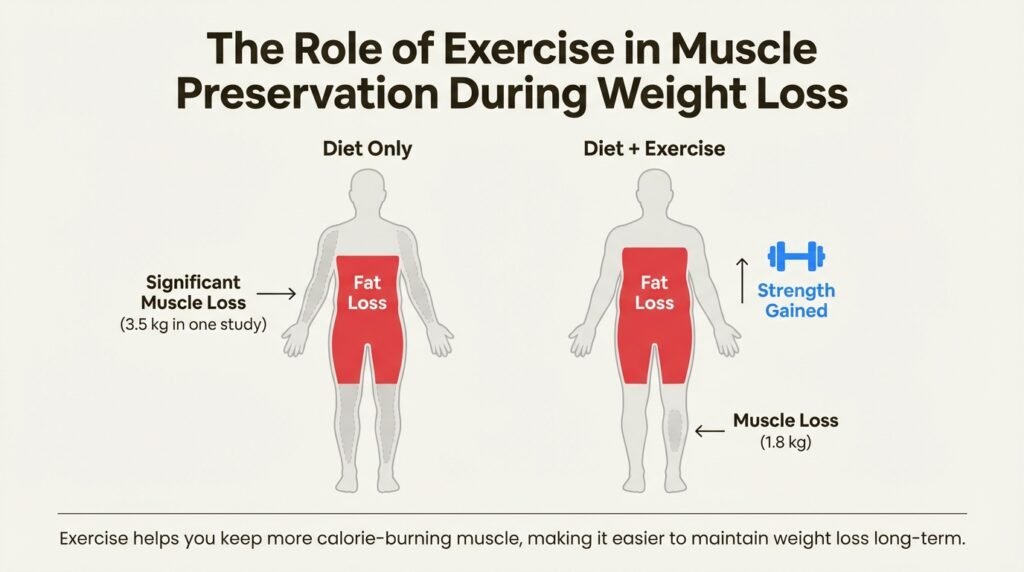
One of the biggest reasons for this is muscle. When you lose weight from diet alone, you don’t just lose fat; you also lose a significant amount of lean muscle mass. Less muscle means a lower metabolism, which makes it easier to regain the weight down the road.

This is where strength training becomes your best friend. One study on frail, obese older adults found that the diet-only group lost 5.4 kg of lean mass, while the group that combined diet with exercise lost only 1.8 kg of it and got stronger. That’s a huge difference for long-term health.

And let’s not forget, the perks of exercise go way beyond the scale. According to the CDC, regular physical activity brings a whole host of health benefits:

It lowers your risk of cardiovascular disease, type 2 diabetes, and at least eight types of cancer.

It strengthens your bones and muscles, which is vital for staying mobile as you get older.

It does wonders for your mental health, helping to ease symptoms of depression and anxiety.

It leads to better sleep and more energy during the day.

Now, if you’re new to a fitness routine, you’re probably going to feel some soreness. That’s totally normal. A Deep Tissue Massage can work out the knots, break up tension from new workout routines, and speed up your recovery so you can get back to it faster.

Exercise role in muscle preservation during weight loss

The Optimal Approach: Combining Diet and Exercise

So, who wins the diet vs. exercise showdown? The real answer is: they both do, especially when they’re on the same team. The most effective and sustainable, long-lasting results come from combining a healthy diet with a consistent exercise program.

Here’s a look at how each approach compares:

When you pair them up, they work together beautifully. A healthy diet gives your body the quality fuel it needs for effective workouts. In turn, regular exercise helps maintain the lean muscle that keeps your metabolism humming, allowing you to be a bit more flexible with your food choices over time without gaining weight back.

True wellness isn’t about just one thing; it’s about treating your body as a whole. It’s about more than just what you eat or how you train. It’s about sleep, stress management, recovery, and making sure your body is functioning at its best. That’s the philosophy behind Body Works, where the approach to health goes beyond just one dimension.

The Final Verdict on Diet vs. Exercise

Let’s wrap this up. In the great debate of diet vs. exercise, there’s no single winner because they aren’t really competitors. They’re partners.

Here’s the game plan:

Diet is your starting player. It’s the most effective tool for creating the initial calorie deficit to start losing weight.

Exercise is your long-game champion. It’s crucial for preserving muscle, boosting your metabolism, improving your overall health, and keeping the weight off for good.

The best strategy? A balanced combination of both. Healthy eating and regular physical activity, working together.

At the end of the day, this journey is about more than just a number on a scale. It’s about building a stronger, healthier, and more energetic version of yourself. And that’s something you can truly enjoy.

Whether you’re dealing with the stress of a new diet or recovering from a tough workout, your body deserves expert care. Our licensed therapists at Body Works in Franklin and Nolensville are here to support your wellness journey from every angle. Book a consultation today.

Frequently Asked Questions

Research consistently shows that diet has a greater impact on initial weight loss than exercise alone. According to Piedmont Healthcare, diet accounts for roughly 70% of weight loss results. However, exercise is essential for maintaining weight loss long-term, preserving lean muscle mass, and improving overall metabolic health. The most effective approach combines both a calorie-controlled diet with regular physical activity.
According to the Mayo Clinic, a daily calorie deficit of 500 to 750 calories typically results in losing about 1 to 1.5 pounds per week. This can be achieved through dietary changes alone, increased physical activity, or a combination of both. It’s important not to cut calories too drastically, as very low-calorie diets can slow your metabolism and lead to muscle loss.
While exercise does burn calories, relying on exercise alone for weight loss is much less effective than combining it with dietary changes. For example, a 160-pound person would need to walk briskly for about 35 minutes to burn roughly 240 calories — the equivalent of a single candy bar. It’s far easier to eliminate those calories through diet than to burn them off through exercise.
A combination of cardiovascular exercise and strength training produces the best weight loss results. The Department of Health and Human Services recommends at least 150 minutes of moderate aerobic activity or 75 minutes of vigorous activity per week, plus strength training at least twice per week. Strength training is particularly important because it builds lean muscle, which is the main factor driving your basal metabolic rate.
Weight regain often occurs because diet-only approaches can cause significant lean muscle loss. Research published by the National Institutes of Health found that participants who dieted without exercising lost 5.4 kg of lean mass compared to just 1.8 kg for those who combined diet with exercise. Less muscle means a slower metabolism, making it easier to regain weight. Regular physical activity is the strongest predictor of long-term weight maintenance according to the CDC.
Medical weight loss programs at Body Works combine physician-supervised dietary planning with GLP-1 medications like semaglutide to help control appetite and support a sustainable calorie deficit. Unlike fad diets, medical programs include ongoing monitoring, nutritional guidance, and personalized exercise recommendations to help you lose weight safely while preserving lean muscle mass. Contact our Franklin or Nolensville clinic for a free consultation.

Medically reviewed by Dr. Donald Vollmer, MD
Managing Physician, Body Works TN

Browse Our Blog

Recent FDA TRT Stance Changes: What It Means for You

Recent FDA TRT Stance Changes: What It Means for You

March 1, 2026

Trying to keep up with the news on Testosterone Replacement Therapy (TRT) can feel like getting whiplash. One minute you hear about potential risks, the next you see headlines saying it’s a vital part of men’s health. It’s confusing, especially if you’re on TRT or just wondering if it’s right for you.

Well, things just got a whole lot clearer. In late February 2025, the U.S. Food and Drug Administration (FDA) updated its official guidelines on testosterone products, and it’s a pretty big deal. These changes weren’t random; they came from some serious, long-term clinical research.

So, what’s the real story? We’re here to cut through the noise. This article will give you a straightforward, fact-based look at what changed, why it changed, and what top experts are saying about where TRT is headed. By the end, you’ll have a much better handle on making smart decisions about your health in 2026.

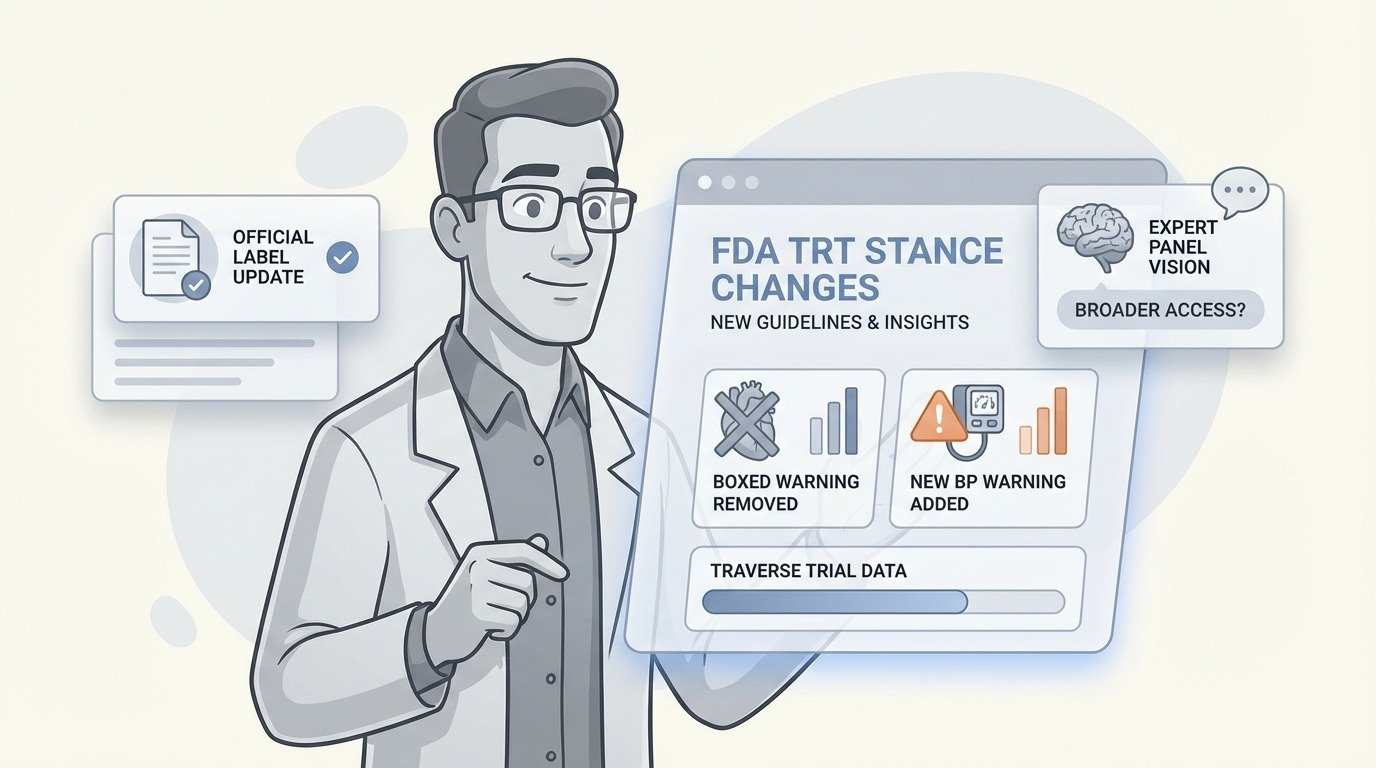
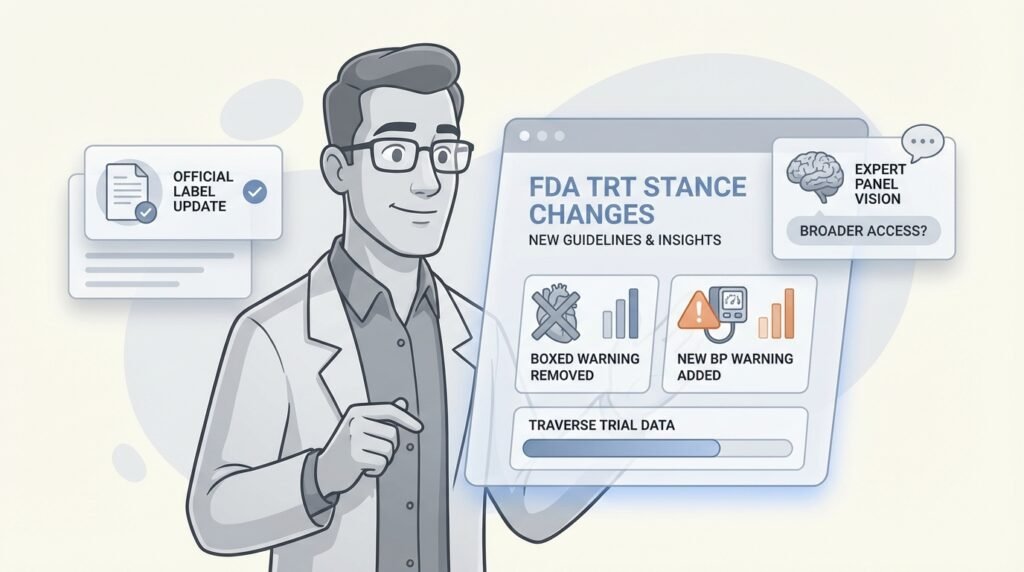
FDA TRT stance changes - new guidelines and insights infographic

What Prompted the FDA's New Stance on TRT?

The FDA didn’t just wake up one day and decide to change its mind on TRT. The decision was a direct result of a massive clinical trial designed to answer a question that’s been debated for years: is it safe for your heart?

The Influence of the Landmark TRAVERSE Trial

For a long time, the medical community has been dealing with conflicting reports about TRT and heart health. To settle things once and for all, a huge study was launched, called the Testosterone Replacement Therapy for Assessment of Long-term Vascular Events and Efficacy Response in Hypogonadal Men (or just TRAVERSE).

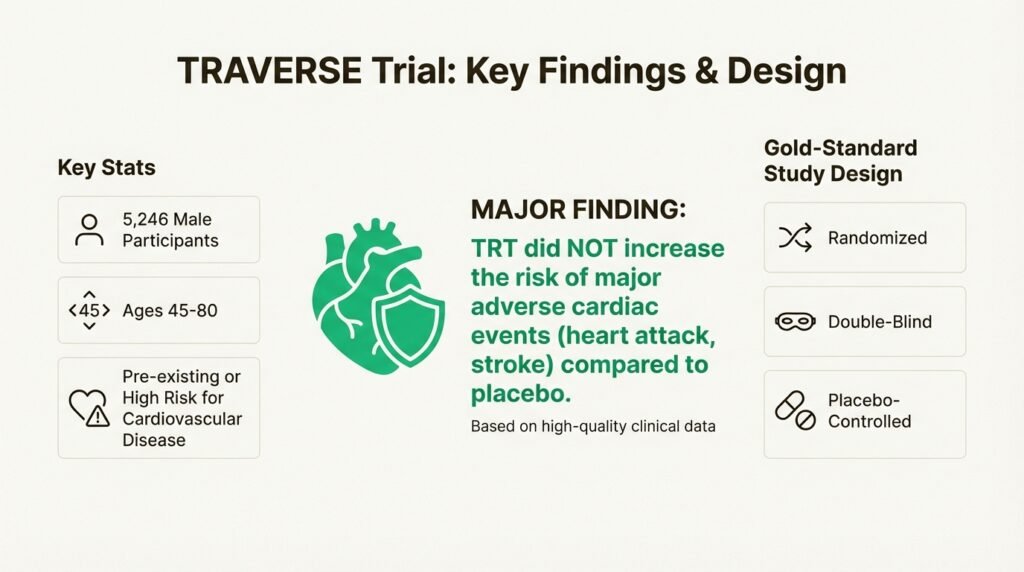
This wasn’t a small-scale study. The TRAVERSE trial involved 5,246 men between 45 and 80, all of whom already had cardiovascular disease or were at high risk for it. It was a randomized, double-blind, placebo-controlled study, which is the gold standard for research. The main finding was huge: the trial showed that for these men, TRT was “noninferior to placebo with respect to the incidence of major adverse cardiac events” like a heart attack or stroke. Basically, it didn’t increase the risk. This high-quality data finally gave the FDA the solid evidence it needed to clear up years of uncertainty.

TRAVERSE trial key findings and study design infographic

A Decade of Evolving Evidence

To get the full picture, you have to rewind a bit. The FDA’s cautious position started back in 2014 when they issued a Drug Safety Communication because of those conflicting reports about heart risks.

This led to a major decision in March 2015, when the FDA required all testosterone manufacturers to add warnings about a possible increased risk of heart attack and stroke to their labels. More importantly, they ordered these companies to conduct a large, well-designed clinical trial to get to the bottom of the cardiovascular risk. The TRAVERSE trial was the result of that order, and its findings provided the strong evidence everyone had been waiting for.

Understanding the Official FDA Changes

It’s important to know the difference between what the FDA has officially changed on product labels and what an expert panel has recommended for the future. This section covers the official updates that are in effect right now.

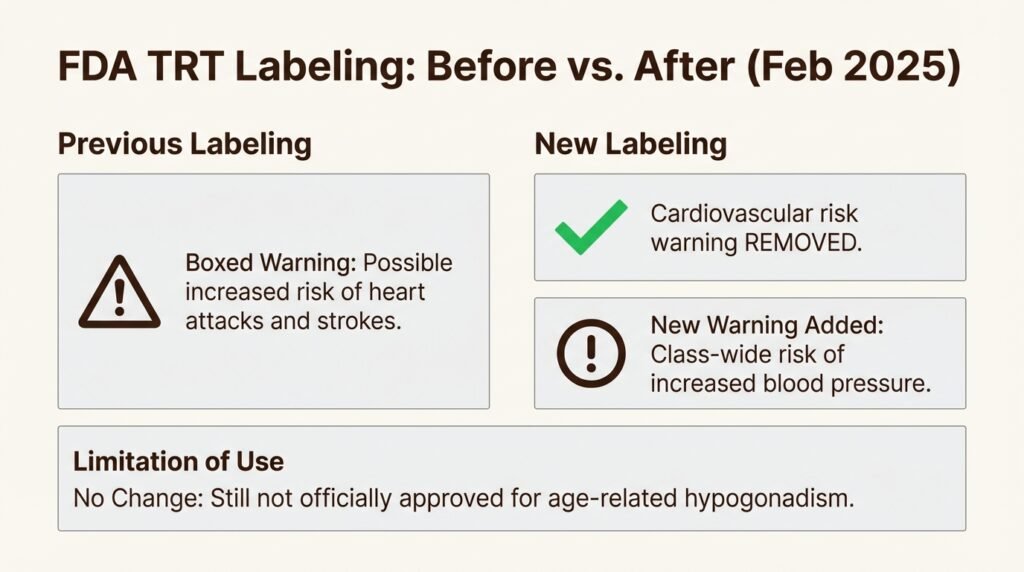
FDA TRT labeling changes before and after February 2025

Removal of the Cardiovascular Risk Warning

This is the big one. In late February 2025, the FDA announced it was officially removing the Boxed Warning language that warned of an increased risk of heart attack and stroke.

This change was a direct response to the clear findings from the TRAVERSE trial. After years of caution, the best available science showed that the risk wasn’t what some earlier, smaller studies had hinted at. For men on medically supervised TRT, this is a huge relief.

Addition of a Blood Pressure Warning

While the heart attack risk warning is gone, something new has taken its place. The FDA has added a warning about a class-wide increase in blood pressure linked to testosterone use. This decision was based on a different set of studies, called ambulatory blood pressure monitoring (ABPM) studies, which the FDA has required since 2018.

This new warning doesn’t mean TRT is unsafe; it just means one of its potential side effects needs to be watched closely. This is exactly why professional, hands-on monitoring is so important. Managing potential side effects like blood pressure is a key part of the comprehensive care you’d get at a wellness center like Body Works, where the goal is to make sure your treatment is both safe and effective. It’s not just about getting a prescription; it’s about having a team that looks at your whole health picture.

The "Limitation of Use" Remains

One thing that hasn’t changed is the FDA’s official position on who should be prescribed testosterone. The approved use is still for men with low testosterone levels caused by specific medical conditions, like genetic disorders or damage from chemotherapy. This is often called “classic hypogonadism.”

Officially, TRT is not approved for treating low testosterone caused only by aging. This has been a major point of debate for years and is exactly what the expert panel, which we’ll cover next, wants to see changed.

An Expert Panel's Vision for the Future of TRT

While the FDA’s official label changes are a big step, a meeting of top experts in December 2025 suggested that even bigger shifts could be coming. This FDA expert panel, full of leading urologists and health officials, argued for changes that go way beyond the recent updates, hinting at a fundamental shift in how the medical community sees TRT.

Key Recommendations from the Panel

The panel made several bold recommendations that could reshape how TRT is accessed and viewed in the coming years.

Broader eligibility: The experts argued for expanding TRT access to men who have symptoms of low T and confirmed low levels, even without a specific underlying medical condition like a pituitary tumor. This approach is in line with modern guidelines from groups like the American Urological Association (AUA).

Removing “controlled substance” status: One of the biggest suggestions was to reclassify testosterone from a Schedule III drug. They argued that its current status creates unnecessary stigma and paperwork, making it harder for primary care doctors to prescribe it to men who need it.

Routine screening: Panelist Dr. Helen Bernie, an Associate Professor of Urology, argued that low testosterone should be seen as a “critical biomarker” for a man’s overall health and should be screened for regularly, just like high cholesterol or diabetes.

Rationale: Correcting "Decades of Misconceptions"

The driving force behind these recommendations was a shared belief that the medical community is finally moving past old, outdated fears about TRT. Panelist Dr. Mohit Khera put it powerfully, stating that there have been “decades of misconceptions” about TRT’s risks, especially around prostate cancer and heart disease, that modern data has largely debunked.

The panel’s message was clear: the current restrictive labeling is “not fit for purpose” anymore. It’s stopping countless men who could benefit from therapy from getting the treatment they need.

“Testosterone therapy is not a lifestyle drug. It is a cornerstone for preventive health.”

– Dr. Helen Bernie, Associate Professor of Urology, Indiana University (FDA Expert Panel, Dec. 2025)

Safely Navigating TRT in 2026

With all these changes, the TRT landscape is looking more favorable and evidence-based than ever. But this doesn’t mean it’s a free-for-all. If anything, it makes expert medical supervision even more important. Here’s how you can handle it all safely.

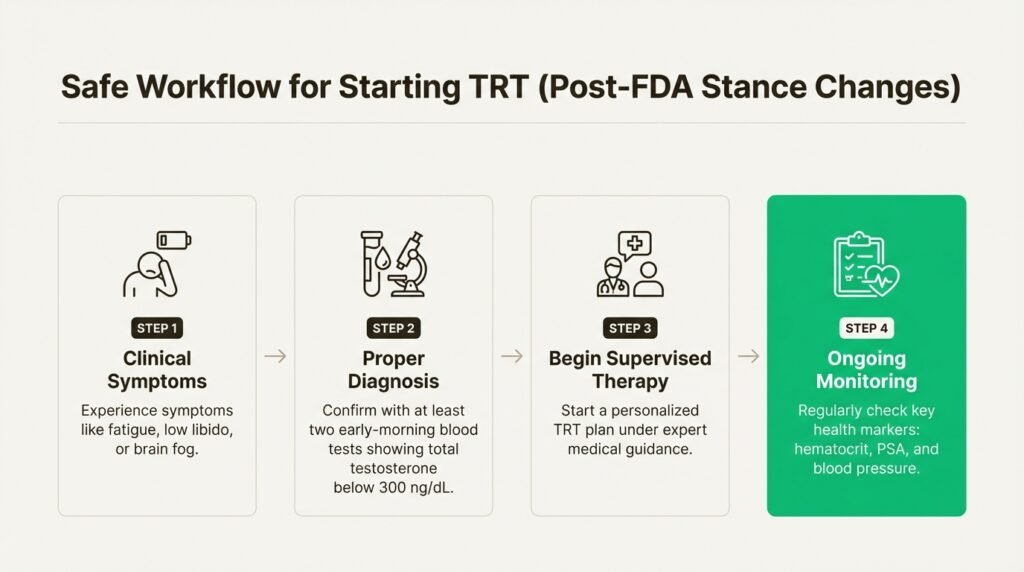
Safe workflow for starting TRT post-FDA stance changes

The Importance of Proper Diagnosis and Monitoring

Let’s get one thing straight: TRT is not a DIY project or something you should guess at from an online quiz. According to AUA guidelines, a proper diagnosis of low testosterone requires two things: clinical symptoms (like fatigue, low libido, or brain fog) and at least two early-morning blood tests showing your total testosterone is below 300 ng/dL.

Once you’re on therapy, the work isn’t over. Ongoing monitoring is crucial to make sure the treatment is working correctly and safely. This means regular checks of key health markers like your hematocrit (red blood cell concentration), PSA (for prostate health), and, given the new FDA warning, your blood pressure. This is what a responsible, medically supervised program looks like.

Medical TRT vs. Performance Enhancement

It’s really important to get the difference between medical TRT and using testosterone for bodybuilding or performance enhancement. The two are worlds apart.

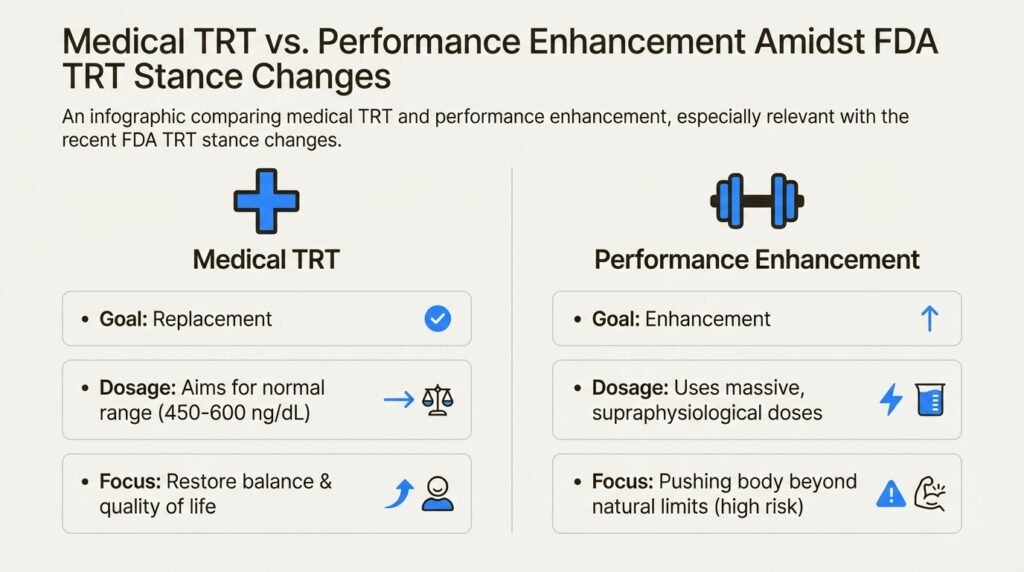
Medical TRT is all about replacement. The goal is to bring low hormone levels back into a healthy, normal range. The AUA suggests aiming for a level in the middle of the normal range, typically around 450-600 ng/dL. This is about restoring balance and improving your quality of life.

On the other hand, using testosterone for performance enhancement often involves taking massive doses, far beyond what the body would ever produce naturally. This approach carries much higher risks and isn’t based on sound medical practice. This is where expert guidance is so valuable. At a wellness center like Body Works, the entire focus is on health optimization under strict medical protocols. It’s about helping you feel your best safely, not pushing your body beyond its natural limits.

Medical TRT vs performance enhancement comparison

Why Expert Guidance Is Essential

When you add it all up – the symptoms, the diagnosis, the right dosage, managing side effects, and keeping up with changing rules – it’s a lot to handle. This isn’t something you should try to figure out on your own.

A specialist can create a treatment plan tailored to your specific health profile, symptoms, and goals. They make sure you get the benefits of therapy while actively managing any potential risks, like the newly highlighted increase in blood pressure. This personalized, hands-on approach is the key to doing TRT the right way.

The Bottom Line

The world of TRT is changing for the better. The FDA has officially updated its stance, getting rid of the old cardiovascular boxed warning based on solid evidence from the TRAVERSE trial, while also adding a new warning about blood pressure to keep patients safe. At the same time, a panel of the nation’s top experts is pushing for even wider access, signaling a major shift in how the medical community views testosterone’s role in men’s health.

What this all means is that in 2026, it’s becoming safer and more supportive for men who have a real medical need for TRT. But this progress also highlights one non-negotiable fact: a responsible, medically supervised approach is absolutely essential.

If you’re experiencing symptoms of low testosterone and are wondering how these FDA TRT stance changes might affect you, the smartest first step is to talk to a professional. Contact Body Works at our Franklin or Nolensville clinic to schedule a comprehensive evaluation and create a personalized health plan that’s right for you.

Frequently Asked Questions About FDA TRT Stance Changes

In February 2025, the FDA removed the boxed warning about increased cardiovascular risk from testosterone product labels, based on findings from the landmark TRAVERSE trial. They also added a new warning about potential blood pressure increases. The limitation of use for age-related low testosterone remains unchanged.
The TRAVERSE trial was a large-scale, randomized, double-blind, placebo-controlled study involving 5,246 men ages 45-80 with cardiovascular disease or high risk for it. The major finding was that TRT did not increase the risk of major adverse cardiac events like heart attack or stroke compared to placebo. This high-quality evidence gave the FDA the data it needed to remove the cardiovascular risk warning.
Yes, when prescribed and monitored by qualified medical professionals. The TRAVERSE trial demonstrated that TRT does not increase cardiovascular risk. However, it can raise blood pressure, which is why ongoing monitoring is essential. A proper diagnosis requires clinical symptoms and at least two early-morning blood tests showing total testosterone below 300 ng/dL. Regular check-ups of hematocrit, PSA, and blood pressure are part of responsible TRT management.
Medical TRT aims to restore low testosterone levels to a healthy, normal range (typically 450-600 ng/dL) to improve quality of life. Performance enhancement involves taking massive, supraphysiological doses far beyond what the body naturally produces, which carries much higher risks. Body Works focuses exclusively on medically supervised TRT under strict protocols for health optimization, not performance enhancement.
Body Works offers testosterone replacement therapy at both our Franklin, TN clinic (1113 Murfreesboro Rd Suite 307) and our Nolensville, TN clinic (210 Burkitt Commons Ave). Both locations provide comprehensive blood testing, clinical evaluation, and ongoing monitoring. Schedule a Free Consultation to discuss whether TRT is right for you.

Medically reviewed by Dr. Donald Vollmer, MD
Managing Physician, Body Works TN

Browse Our Blog