
Semaglutide in Nolensville, TN: Availability and How to Start
Searching for semaglutide in a town the size of Nolensville turns up a strange gap: national telehealth ads everywhere, but almost nothing about a real
Let’s settle the age-old wellness debate: if you want to lose weight, should you focus on what you eat or how much you move? It’s one of the most common questions people ask when they’re trying to get healthier.
It’s a huge question, right? And while the easy answer is “both,” it’s a bit more nuanced than that. The truth is, nutrition and exercise play very different but equally important roles in your weight loss journey. Understanding when and how to use each one is what separates a short-term crash from a real, lasting transformation.
Think of it this way: one is your go-to for getting things started, while the other is your key player for keeping the results going. Let’s break it all down.
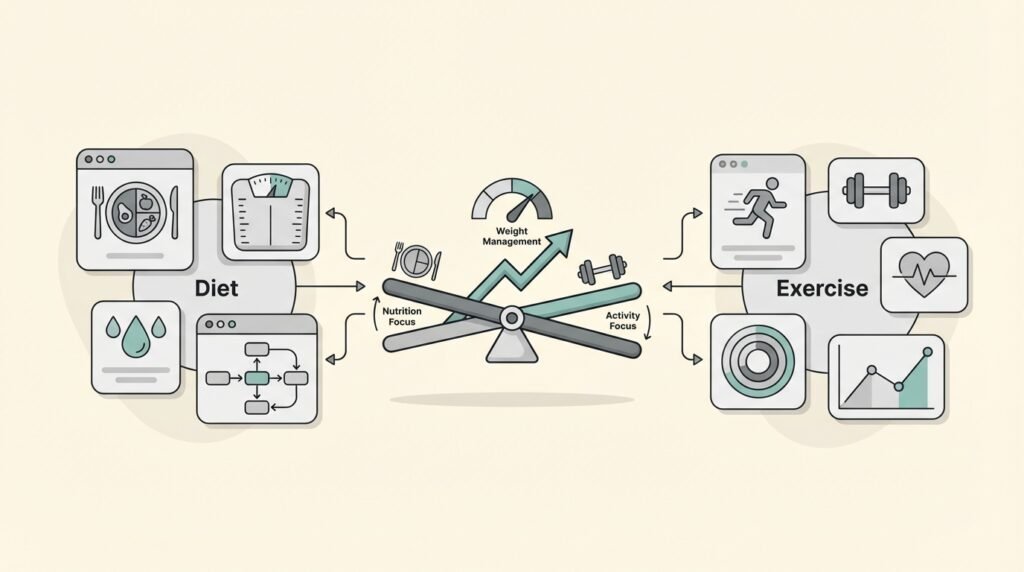
Before we pick a side, let’s get back to basics. Weight loss really comes down to one thing: a calorie deficit. That just means burning more energy than you take in. Both diet and exercise can help you get there, but they do it in very different ways. Diet controls the “calories in” part, while exercise boosts the “calories out.”
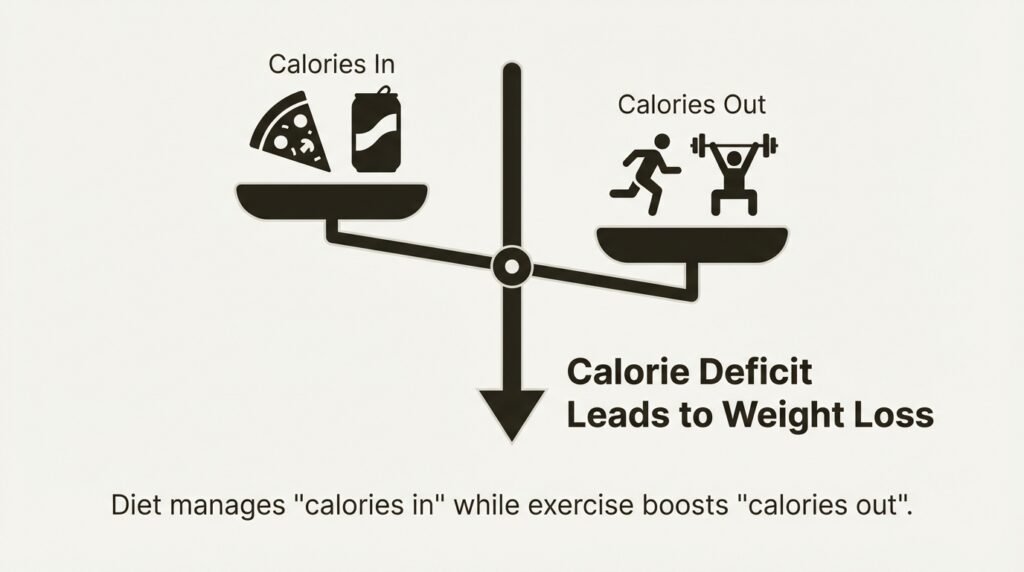
Your diet is all about what you put into your body, which makes it the most direct way to manage your calorie intake. From cutting out sugary drinks to choosing more filling, nutritious foods, changing what you eat can have a massive impact on your daily calorie count without ever having to break a sweat.
According to Colleen Alrutz, a health and fitness manager at Piedmont, when it comes to dropping pounds, diet wins about 70% of the time. The math backs it up: to lose about one to one and a half pounds per week, you generally need a daily deficit of 500 to 750 calories. It’s simply easier to create that deficit by eating less than it is to exercise it away.
Of course, it’s not just about the numbers. The quality of your food is a massive part of the puzzle. Choosing nutrient-rich foods like vegetables, lean proteins, and whole grains keeps you fuller for longer, meaning you’re less likely to overeat. This is especially true when combined with tools that help you manage cravings and stick to your plan.
Exercise is the engine that revs up the “calories out” side of things. It boosts the total amount of energy your body uses in a day, helping to widen that calorie gap. But just as importantly, it shapes how your body changes, making sure you’re losing fat, not muscle.
The Department of Health and Human Services has some solid guidelines for getting the most out of your movement:
Aerobic activity: This is your cardio, which includes activities like brisk walking, running, swimming, or cycling. Aim for at least 150 minutes of moderate activity or 75 minutes of vigorous activity per week. Cardio is fantastic for burning calories while you’re doing it.
Strength training: Hitting all your major muscle groups with strength exercises at least twice a week is a big deal. Why? Because muscle is metabolically active tissue. The more muscle you have, the more calories your body burns even when you’re just sitting on the couch. Muscle mass is actually the main factor in your basal metabolic rate (BMR).
When you’re first starting, putting your focus on nutrition will give you the biggest return on your effort. There’s a reason for that saying, “you can always out-eat your exercise.”
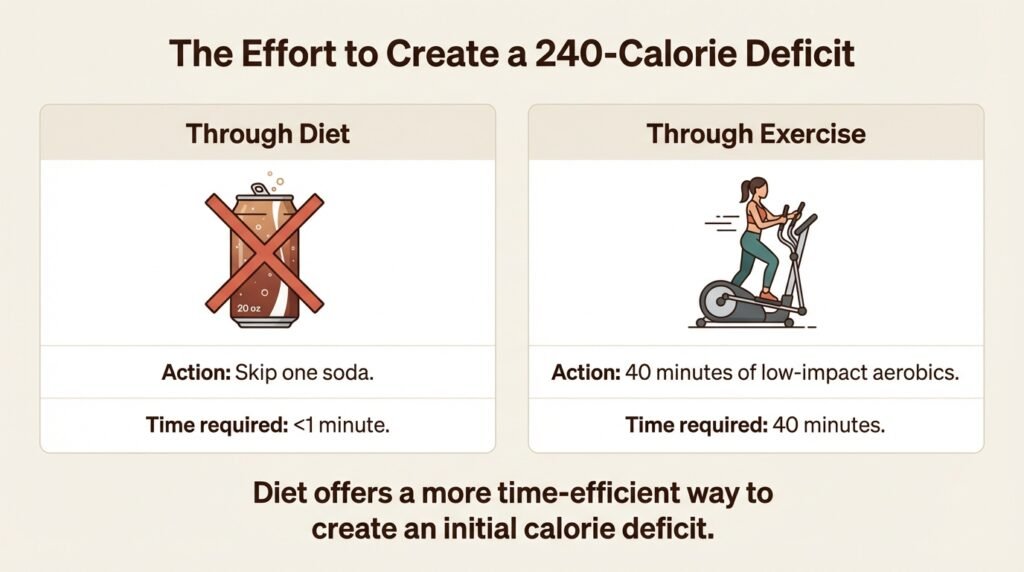
Let’s put it in perspective. Imagine you decide to cut out your daily 20-ounce soda. Just like that, you’ve dropped 240 calories from your day. To burn the same amount through exercise, according to data from the Mayo Clinic, a 160-pound person would need to walk briskly for about 35 minutes. Which one feels more straightforward? For most people, the easy answer is putting down the soda.
Because you can create a bigger calorie deficit more quickly through what you eat, diet is the clear winner for jump-starting your weight loss. It gives you that initial momentum and those early results that keep you motivated.
Of course, making big dietary changes can be stressful. Your body and mind are adjusting, and that can sometimes raise cortisol levels or cause tension. Managing that stress is important too, and therapies like a Swedish Massage can be a great way to ease the transition and help your body recover.
So, diet is the hero for getting you started. But once you’ve seen some results, exercise takes center stage as the key to keeping the weight off for good. This is where the long game is won.
This isn’t just a guess; it’s backed by solid science. The CDC notes that while most weight loss comes from eating fewer calories, people who’ve successfully lost weight and kept it off typically include regular physical activity as a core part of their routine.
One of the biggest reasons for this is muscle. When you lose weight from diet alone, you don’t just lose fat; you also lose a significant amount of lean muscle mass. Less muscle means a lower metabolism, which makes it easier to regain the weight down the road.
This is where strength training becomes your best friend. One study on frail, obese older adults found that the diet-only group lost 5.4 kg of lean mass, while the group that combined diet with exercise lost only 1.8 kg of it and got stronger. That’s a huge difference for long-term health.
And let’s not forget, the perks of exercise go way beyond the scale. According to the CDC, regular physical activity brings a whole host of health benefits:
It lowers your risk of cardiovascular disease, type 2 diabetes, and at least eight types of cancer.
It strengthens your bones and muscles, which is vital for staying mobile as you get older.
It does wonders for your mental health, helping to ease symptoms of depression and anxiety.
It leads to better sleep and more energy during the day.
Now, if you’re new to a fitness routine, you’re probably going to feel some soreness. That’s totally normal. A Deep Tissue Massage can work out the knots, break up tension from new workout routines, and speed up your recovery so you can get back to it faster.
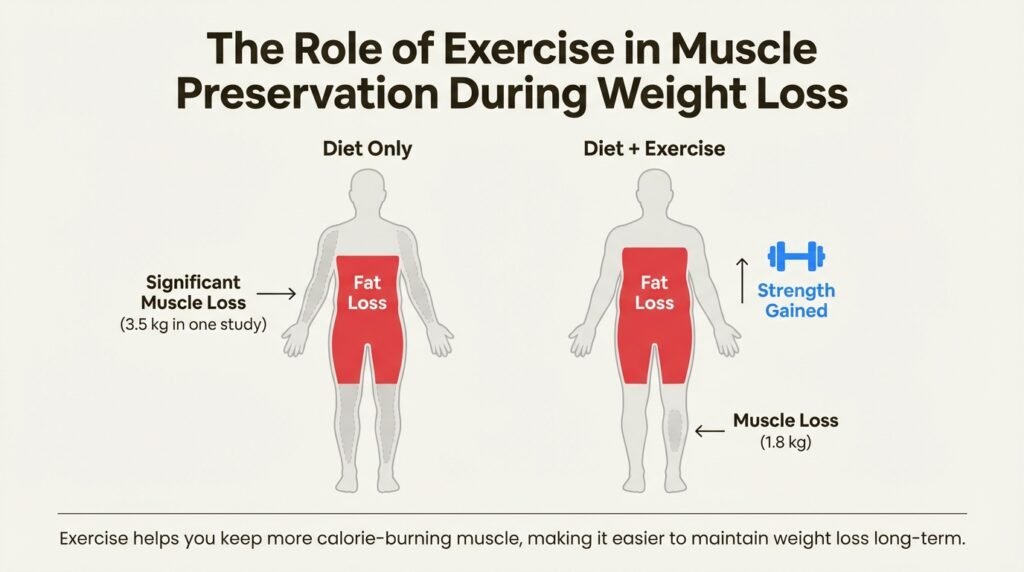
So, who wins the diet vs. exercise showdown? The real answer is: they both do, especially when they’re on the same team. The most effective and sustainable, long-lasting results come from combining a healthy diet with a consistent exercise program.
Here’s a look at how each approach compares:
When you pair them up, they work together beautifully. A healthy diet gives your body the quality fuel it needs for effective workouts. In turn, regular exercise helps maintain the lean muscle that keeps your metabolism humming, allowing you to be a bit more flexible with your food choices over time without gaining weight back.
True wellness isn’t about just one thing; it’s about treating your body as a whole. It’s about more than just what you eat or how you train. It’s about sleep, stress management, recovery, and making sure your body is functioning at its best. That’s the philosophy behind Body Works, where the approach to health goes beyond just one dimension.
Let’s wrap this up. In the great debate of diet vs. exercise, there’s no single winner because they aren’t really competitors. They’re partners.
Here’s the game plan:
Diet is your starting player. It’s the most effective tool for creating the initial calorie deficit to start losing weight.
Exercise is your long-game champion. It’s crucial for preserving muscle, boosting your metabolism, improving your overall health, and keeping the weight off for good.
The best strategy? A balanced combination of both. Healthy eating and regular physical activity, working together.
At the end of the day, this journey is about more than just a number on a scale. It’s about building a stronger, healthier, and more energetic version of yourself. And that’s something you can truly enjoy.
Whether you’re dealing with the stress of a new diet or recovering from a tough workout, your body deserves expert care. Our licensed therapists at Body Works in Franklin and Nolensville are here to support your wellness journey from every angle. Book a consultation today.
Medically reviewed by Dr. Donald Vollmer, MD
Managing Physician, Body Works TN
Searching for semaglutide in a town the size of Nolensville turns up a strange gap: national telehealth ads everywhere, but almost nothing about a real

If you have been researching semaglutide for weight loss, you have probably hit the same wall everyone else does: a telehealth app that ships a
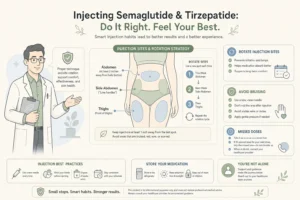
The needle is the easy part. Most people who quit a GLP-1 medication early do not quit because of the injection itself, they quit because
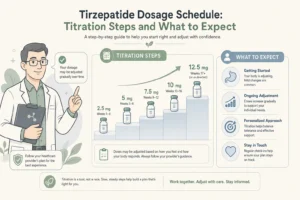
Patients starting tirzepatide often expect the first injection to feel like the start of real treatment. It isn’t. The 2.5 mg starting dose is a
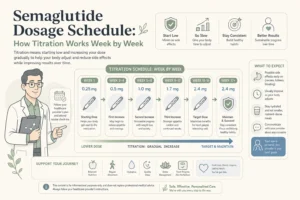
The dose on a semaglutide prescription rarely matches the dose a patient ends up taking, and that gap confuses people every week. Someone reads that
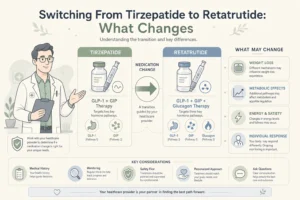
Switching from tirzepatide to retatrutide is a supervised medication change, not a milligram match. Retatrutide (GLP-3) adds the glucagon receptor and produced 24.2% weight loss
See Body Works first in your Google results.