What Is NAD+ Therapy? Benefits, Science, and What to Expect

What Is NAD+ Therapy? Benefits, Science, and What to Expect

August 22, 2026

You have probably seen NAD+ therapy described as a longevity miracle, an energy reset, or a way to turn back your cellular clock. The marketing is loud and the promises are large. The actual science is more interesting, and more honest, than the hype around it.

NAD therapy delivers a molecule your cells already depend on every second of the day. The real question is not whether NAD+ matters, because it clearly does, but how much a supervised infusion can do for how you feel, and where the evidence is genuinely strong versus still developing. At Body Works, we think patients deserve that distinction rather than a sales pitch.

This guide explains what NAD+ is, why levels fall as you age, what the research supports today, and what a clinician-supervised visit actually involves. If you are weighing NAD+ against other wellness options, the goal here is clarity, not cheerleading.
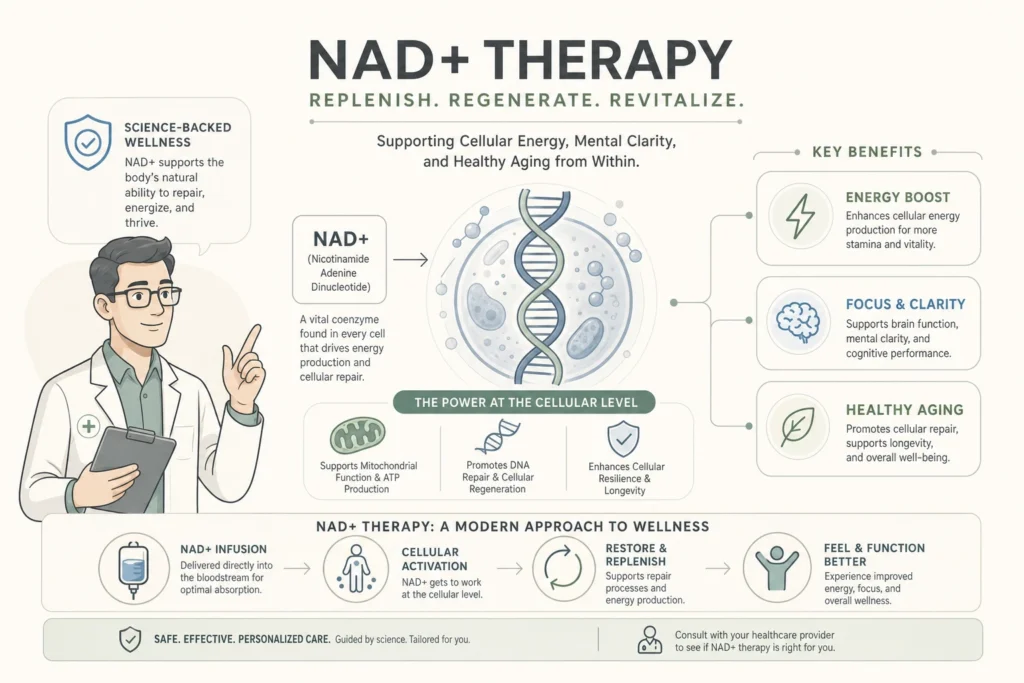
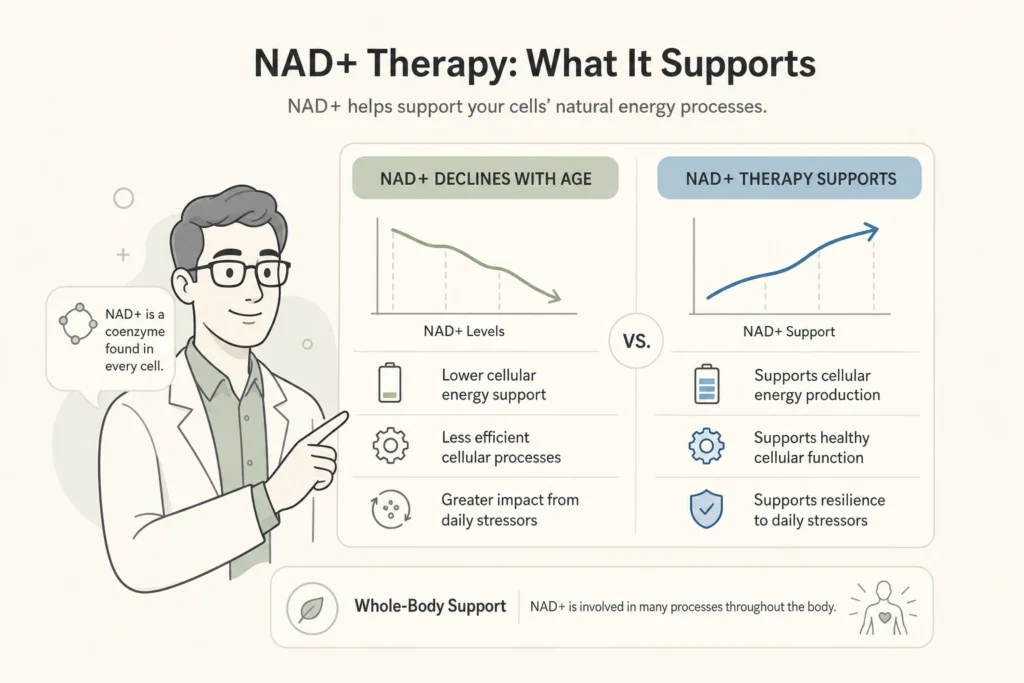
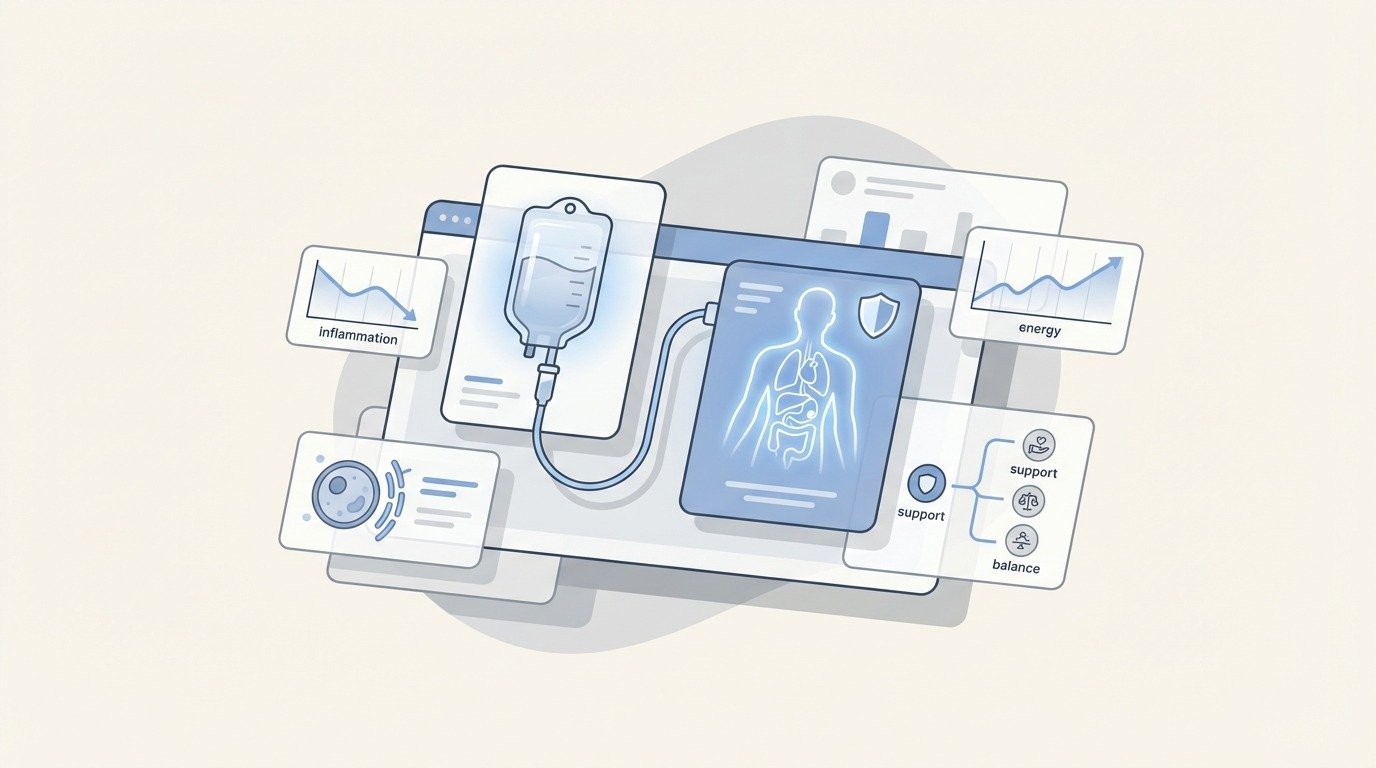
Illustration of What Is NAD+ Therapy? Benefits, Science, and What to Expect in a modern medical wellness setting

What Is NAD+ and Why Is It Central to Cellular Energy?

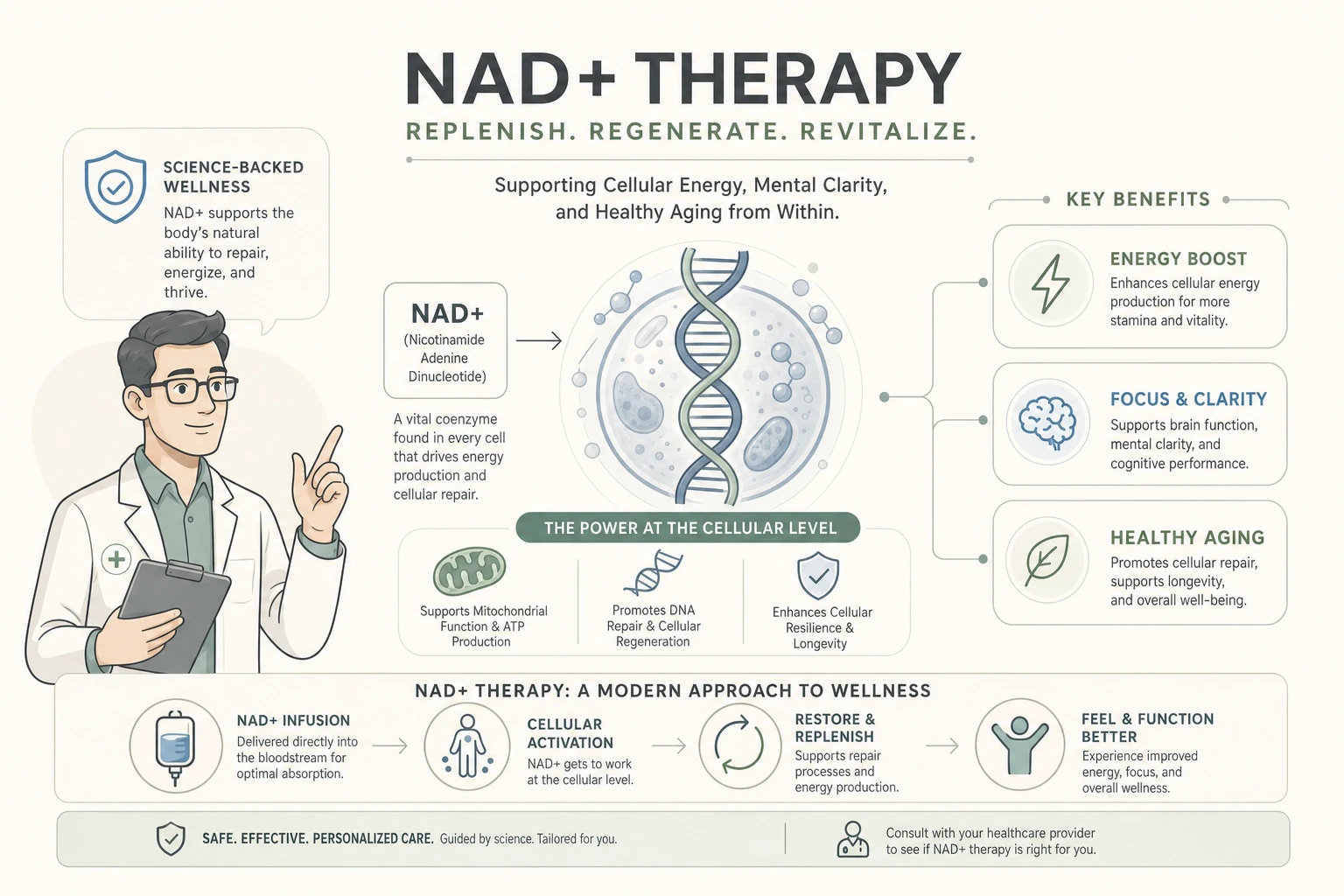
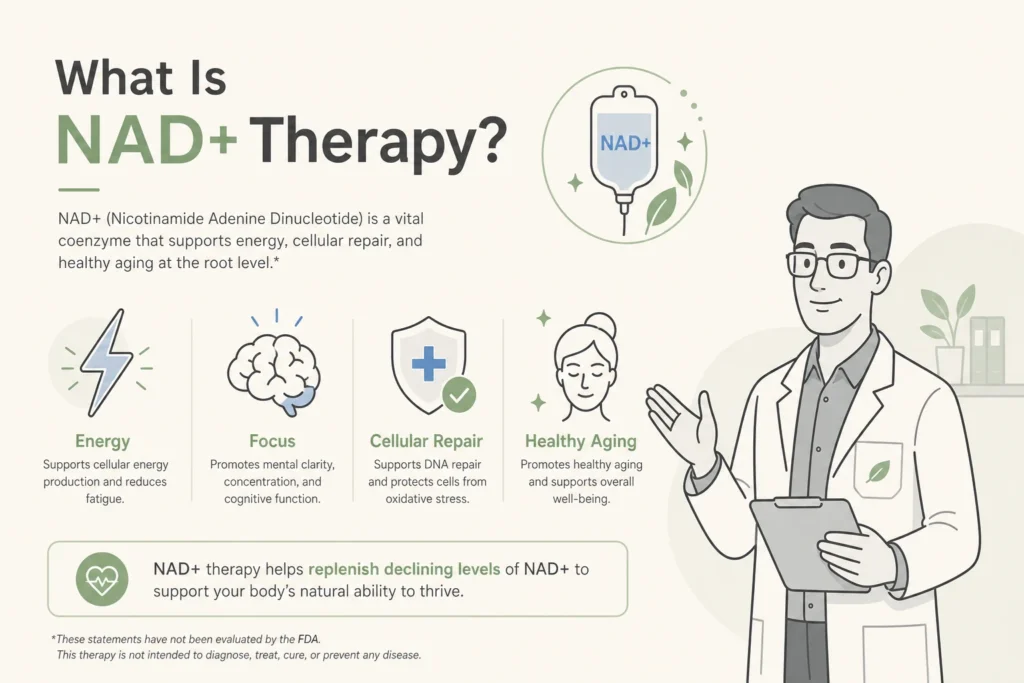
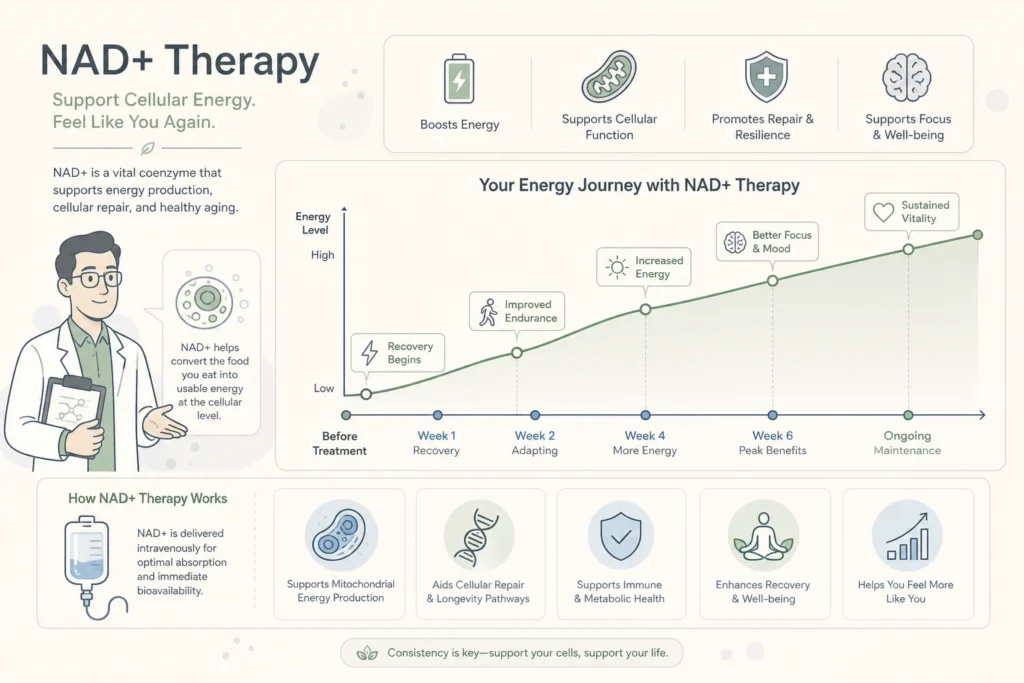
NAD+, short for nicotinamide adenine dinucleotide, is a coenzyme found in every living cell, and it is essential for turning the food you eat into usable energy. It shuttles electrons through the reactions that produce ATP, the fuel your mitochondria generate. Without adequate NAD+, energy metabolism slows at the most basic level.

NAD+ also acts as a signaling molecule. It powers enzymes called sirtuins and PARPs that help regulate DNA repair and the inflammatory response, and it shapes how cells react to stress. That dual role, both fuel and switchboard, is why researchers study it so intensely in the context of metabolism and aging.

A widely cited review in Cell Metabolism describing NAD+ metabolism and the control of energy homeostasis frames NAD+ as a vital cofactor that helps rewire metabolism, activate sirtuins, and maintain mitochondrial fitness. In plain terms, when NAD+ is abundant, the cellular machinery that makes and manages energy runs more smoothly.

Why Do NAD+ Levels Decline With Age?

NAD+ levels tend to fall as you get older, and researchers attribute the decline to a mix of reduced production and increased consumption. Enzymes such as CD38 and the PARPs draw down NAD+ to handle inflammation and DNA damage, both of which rise with age. At the same time, some of the pathways that rebuild NAD+ become less efficient.

Lower NAD+ can leave mitochondria less able to meet energy demand, which is one proposed reason people report flagging stamina and slower recovery over the decades.

Researchers writing in Experimental Gerontology on age-related NAD+ decline document falling NAD+ across species, including humans, driven by higher consumption through CD38 and PARPs alongside reduced synthesis. The authors are careful to note that much about the causes and consequences of this decline in people remains to be understood, which is an honest anchor for any claims about restoring it.

What Does the Science Actually Show About NAD+ Therapy?

Start with the honest version. The foundational science is strong, while the human clinical evidence for infusions is still maturing. Decades of laboratory and animal research show that raising NAD+ can improve mitochondrial function and support healthy aging in model organisms. Translating those results into proven outcomes for people is where the field is still working.

Most rigorous human data so far comes from oral NAD+ precursors rather than intravenous NAD+ itself. A randomized, double-blind, placebo-controlled crossover trial published in Nature Communications, testing chronic nicotinamide riboside supplementation in healthy middle-aged and older adults, found that the precursor was well tolerated and reliably raised NAD+ levels. That is meaningful, but the study did not prove downstream benefits like more energy or better cognition.

The same pattern shows up in Cell Metabolism on the therapeutic potential of NAD-boosting molecules and the in vivo evidence: promising results in animals, with human trials still catching up. Here is a simple way to hold both truths at once.

What NAD+ therapy is claimed to doCurrent evidence status
Raise measurable NAD+ levels in the bodySupported in human trials of oral precursors
Support mitochondrial energy metabolismStrong mechanistic and animal evidence
Improve day-to-day energy, focus, and recoveryWidely reported; limited controlled human data
Reverse aging or extend human lifespanNot established in people
Supporting illustration for What Is NAD+ Therapy? Benefits, Science, and What to Expect in a modern medical wellness setting

The Benefits People Seek From NAD+ Therapy

People pursue NAD+ therapy hoping for more energy, sharper mental clarity, faster recovery, and support for healthy aging. Those goals are reasonable given what NAD+ does inside cells, but it helps to frame them as reasons people try it rather than guarantees the science has confirmed.

The strongest scientific throughline is metabolic: NAD+ is required for energy production and cellular repair, so keeping it adequate is biologically sensible. Reports of improved focus, mood, and stamina are common among people who use it, though those subjective benefits have not been consistently proven in large controlled trials, and individual responses vary.

Work summarized in a Cell Metabolism review of the biology and therapeutic potential of the NAD+ intermediates NMN and NR highlights genuine promise for supporting metabolic health while stressing that more human research is needed. The practical takeaway: NAD+ therapy is best viewed as a supportive wellness tool with encouraging science behind it, not a proven cure for any condition.
Supporting illustration for What Is NAD+ Therapy? Benefits, Science, and What to Expect in a modern medical wellness setting

What a NAD+ IV Visit at Body Works Looks Like

A NAD+ infusion is a slow, monitored process rather than a quick vitamin shot. Because pushing NAD+ too fast can cause flushing, nausea, or chest tightness, it is delivered gradually through an IV over an extended session, and the drip rate is adjusted by a clinician based on how you feel.

Here is how a first NAD+ visit typically unfolds at Body Works:

  1. A provider reviews your health history, medications, and goals to decide whether NAD+ is appropriate and how it should be dosed.
  2. The infusion begins slowly while you settle into a comfortable chair, and the clinical team monitors you throughout the session.
  3. If any flushing or nausea appears, the clinician eases the drip rate back down until you feel steady again.

In practice, the pace is what surprises first-timers most. We tell patients to clear the afternoon and treat the session as real downtime, not a quick in-and-out shot.

NAD+ pairs naturally with a broader hydration and micronutrient plan, which is why it sits alongside our custom IV hydration and nutrient infusions. If you are new to infusion therapy in general, our overview of how IV therapy delivers nutrients directly into the bloodstream is a useful starting point for understanding why the delivery method matters.
Supporting illustration for What Is NAD+ Therapy? Benefits, Science, and What to Expect in a modern medical wellness setting

Who Should Consider NAD+ Therapy, and Is It Safe?

NAD+ therapy is generally considered for healthy adults interested in energy, recovery, and longevity-oriented wellness, and it should always be evaluated on an individual basis by a clinician. It is not a substitute for medical treatment of a diagnosed condition, and it is not right for everyone.

On safety, controlled research on NAD+ precursors has been reassuring. The nicotinamide riboside trial in Nature Communications reported that supplementation was well tolerated in older adults, and IV infusions given slowly under supervision are designed to keep the most common side effects, flushing and nausea, mild and manageable. Pregnancy, certain medical conditions, and some medications may make NAD+ inappropriate, which is exactly what a consultation is meant to catch.

NAD+ is one of several physician-guided longevity options rather than a standalone answer. Some patients pair it with regenerative approaches like growth hormone peptides such as sermorelin and ipamorelin or explore it within our full guide to peptide therapy and cellular health. Others combine metabolic and hormone-optimization strategies, a pairing covered in our look at how weight loss and testosterone support work together for men.

Body Works builds each plan around your goals, health history, and clinical judgment, so NAD+ is recommended only when it genuinely fits.

Ready to find out whether NAD+ therapy makes sense for you? Our team at Franklin and Nolensville can review your health, answer your questions, and tailor a supervised plan. Schedule a Free Consultation to get started.

Frequently Asked Questions

Cost depends on your goals, the length and frequency of infusions, and whether NAD+ is part of a broader wellness plan. Because every plan is individualized, the clearest way to get accurate information is a free consultation, where a provider can review your needs and outline the right approach for you.
NAD+ infusions are delivered slowly, so a single session usually runs longer than a standard vitamin drip. The exact time depends on your dose and how comfortably your body tolerates the drip rate, which the clinical team adjusts throughout the visit. Many people plan for an extended, relaxed appointment.
For appropriate candidates, NAD+ therapy is considered well tolerated when given slowly under clinical supervision. The most common side effects, such as flushing or nausea, are usually mild and ease when the infusion rate is lowered. A provider screens your health history and medications first to confirm it is a safe fit.
A standard IV drip typically delivers fluids, vitamins, and minerals for hydration and recovery, while NAD+ therapy focuses on replenishing a coenzyme central to cellular energy and repair. NAD+ is also infused more slowly than most nutrient drips, which is why it is treated as its own distinct, closely monitored service.
Body Works offers supervised wellness infusions at two Middle Tennessee locations, Franklin, TN and Nolensville, TN, both convenient to the greater Nashville area. A consultation is the first step to confirm NAD+ is right for you and to plan your visit.

Medically reviewed by Dr. Donald Vollmer, MD
Managing Physician, Body Works TN

Browse Our Blog
Illustration of The Real Dangers of Buying Peptides Online in a modern medical wellness setting

The Real Dangers of Buying Peptides Online

When Tennessee investigators tested counterfeit weight loss vials seized in Medina, one was mostly water. That was the good outcome. The dangers of buying peptides

Illustration of GLP-1 and Testosterone: What Men Should Know in a modern medical wellness setting

GLP-1 and Testosterone: What Men Should Know

The link between GLP-1 and testosterone catches many men off guard. Carrying extra weight suppresses testosterone through aromatization, low SHBG, and inflammation, while meaningful weight

How IV Therapy Supports Autoimmune Disease Management

How IV Therapy Supports Autoimmune Disease Management

March 7, 2026

Living with an autoimmune disease often feels like your body has turned against you. One day you’re fine, and the next you’re dealing with crushing fatigue, joint pain, or brain fog that makes simple tasks feel impossible. Over 23.5 million Americans navigate this reality daily, searching for ways to manage symptoms and reclaim their quality of life.

While conventional treatments remain essential, many patients are exploring complementary approaches to support their overall wellness. IV therapy has emerged as one option that may help address specific challenges autoimmune patients face, particularly nutrient deficiencies and chronic inflammation. At Body Works, our licensed medical team works with patients to develop personalized treatment plans that integrate supportive therapies alongside conventional care.

Let’s explore what the research says about IV therapy for autoimmune conditions, how it works, and whether it might be right for you.

IV therapy for autoimmune disease management

Understanding autoimmune diseases and your immune system

Your immune system is designed to protect you from harmful invaders like bacteria and viruses. But in autoimmune diseases, something goes wrong. Your immune system mistakenly identifies your own healthy cells as threats and launches an attack. The result? Chronic inflammation, tissue damage, and a wide range of symptoms that vary depending on which part of your body is being targeted.

Some of the most common autoimmune conditions include:

Rheumatoid arthritis attacks joints, causing pain and swelling

Lupus can affect skin, joints, kidneys, and other organs

Multiple sclerosis targets the protective covering of nerve cells

Hashimoto’s thyroiditis damages the thyroid gland

Crohn’s disease causes inflammation in the digestive tract

Celiac disease triggers immune response to gluten, damaging the small intestine

The symptoms often come in waves called flares. During a flare, you might experience extreme fatigue, joint stiffness, muscle aches, fever, and difficulty concentrating. Between flares, symptoms may subside, but the underlying condition remains.

Scientists still don’t fully understand what triggers autoimmune diseases. Genetics play a role, but environmental factors like infections, stress, and exposure to certain chemicals may also contribute. What we do know is that managing these conditions typically requires a multifaceted approach that addresses both the immune dysfunction and its downstream effects on your body.

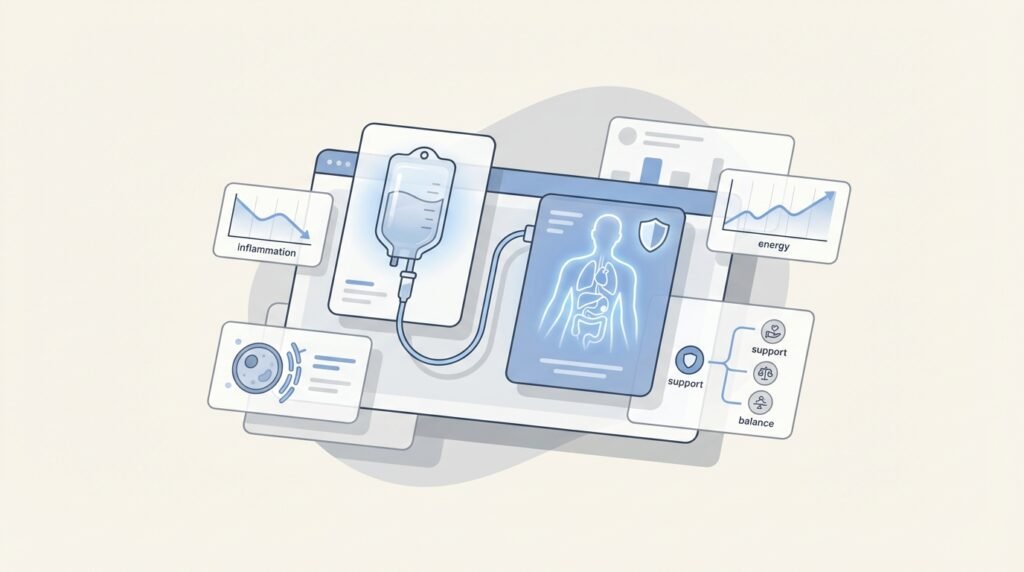
IV therapy treatment chair in clinical setting

What the research says about IVIG therapy

When discussing IV therapy and autoimmune diseases, it’s important to distinguish between two very different approaches. The first, and most thoroughly researched, is IVIG (Intravenous Immunoglobulin). This is a prescription medical treatment with FDA approval for specific autoimmune conditions.

IVIG consists of concentrated antibodies derived from the plasma of thousands of healthy donors. A comprehensive 2025 review published in Autoimmunity Reviews examined IVIG’s effectiveness across numerous autoimmune conditions. The researchers found consistent evidence supporting IVIG as a second-line treatment or adjuvant therapy capable of positively influencing the clinical course of many autoimmune pathologies while maintaining a good safety profile.

Currently, IVIG is FDA-approved for:

Kawasaki disease an inflammatory condition affecting blood vessels

Immune thrombocytopenia (ITP) low platelet count caused by immune destruction

Guillain-Barré syndrome a rapid-onset muscle weakness disorder

Chronic inflammatory demyelinating polyradiculoneuropathy (CIDP) progressive weakness and impaired sensory function

Multifocal motor neuropathy (MMN) progressive muscle weakness

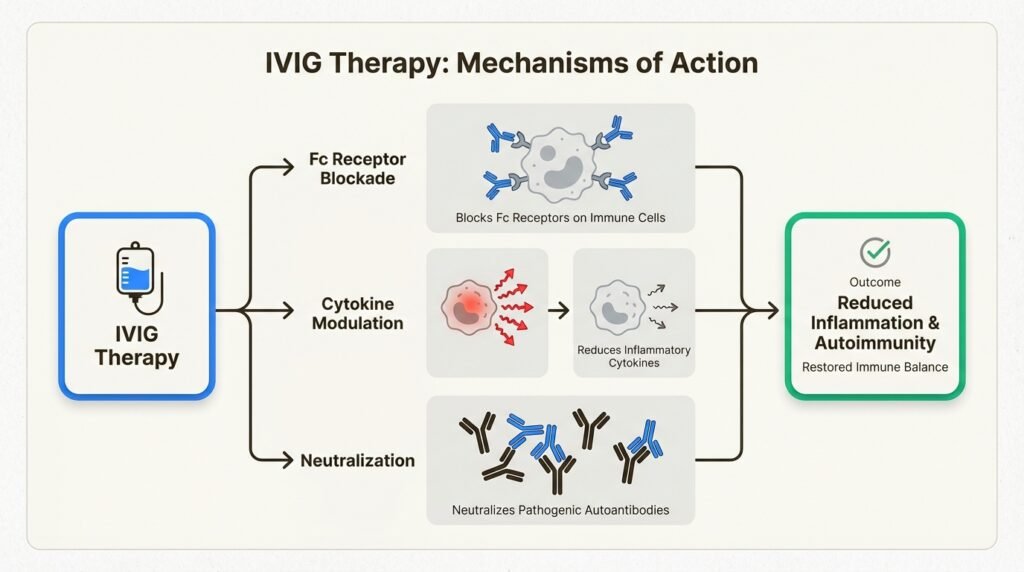
A 2023 study published in Antibodies detailed how IVIG works as an immunomodulator. The therapy appears to function through several mechanisms:

Fc receptor blockade prevents immune cells from attacking healthy tissue

Complement regulation reduces inflammation caused by the complement system

Cytokine modulation helps balance inflammatory and anti-inflammatory signals

Neutralization of pathogenic autoantibodies blocks the antibodies that attack your own cells

Research published in the Journal of Clinical Medicine suggests IVIG is often used off-label for conditions like myositis and vasculitis when conventional treatments prove insufficient. However, it’s important to understand that IVIG requires a prescription and is typically administered in clinical settings under medical supervision.

IVIG therapy mechanisms of action diagram

Nutritional IV therapy for autoimmune support

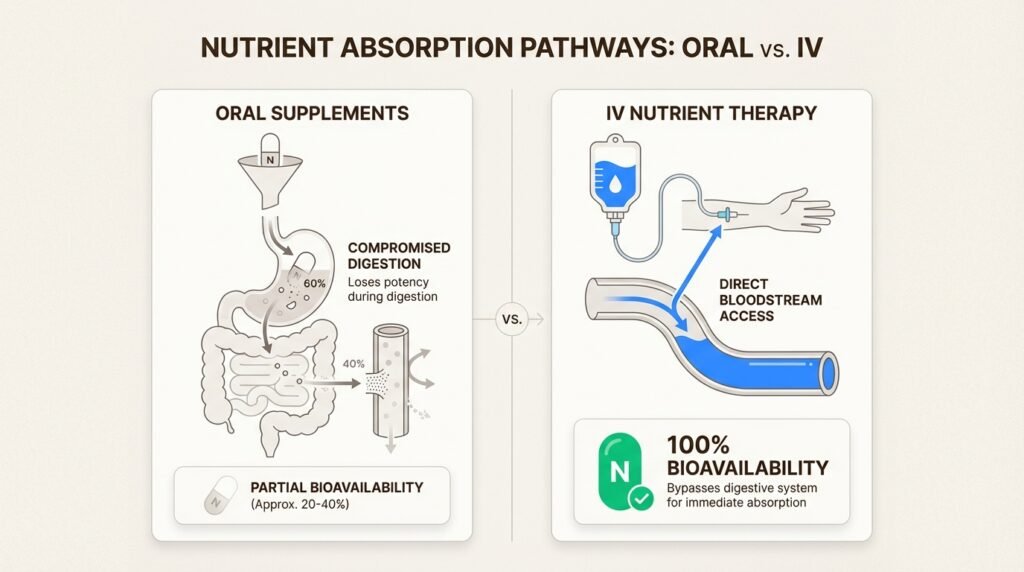
The second type of IV therapy takes a different approach. Rather than delivering immunoglobulins, nutritional IV therapy provides vitamins, minerals, and antioxidants directly into your bloodstream. This bypasses the digestive system entirely, which can be particularly beneficial for autoimmune patients who often struggle with nutrient malabsorption.

Why might this matter? Many autoimmune conditions affect the gut. Inflammatory bowel diseases like Crohn’s directly damage the intestinal lining. Even conditions that don’t primarily target the digestive system can cause inflammation that impairs nutrient absorption. When your gut isn’t absorbing nutrients effectively, oral supplements may not deliver the full benefit.

Common nutrients used in autoimmune-focused IV therapy include:

The Mayo Clinic offers a balanced perspective on this approach. Dr. Brent Bauer, director of research at Mayo Clinic’s Integrative Medicine and Health section, notes that while there’s limited evidence for IV vitamin therapy in people with normal nutritional levels, it can be effective for those with specific deficiencies or absorption issues. For autoimmune patients who struggle with malabsorption, this distinction matters.

It’s worth noting that nutritional IV therapy is not a cure for autoimmune diseases. Rather, it may help address specific symptom clusters like fatigue, inflammation, and nutrient deficiencies that often accompany these conditions.

Nutrient absorption pathways - oral supplements vs IV therapy

Conditions that may benefit from IV therapy

While research continues to evolve, certain autoimmune conditions show particular promise for IV therapy support:

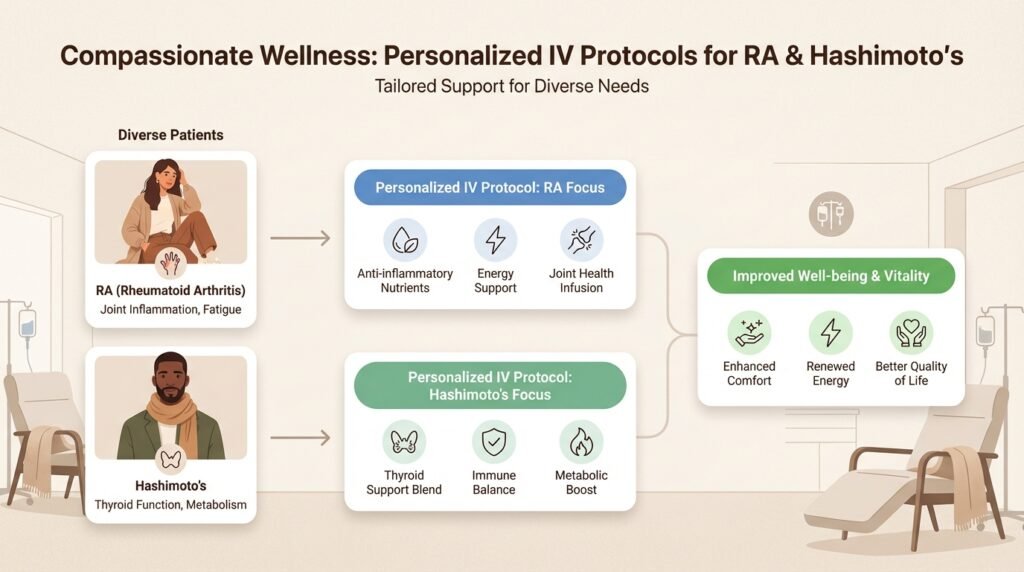
Rheumatoid arthritis patients may benefit from anti-inflammatory nutrients like vitamin C and glutathione. These compounds help combat the chronic inflammation that damages joints and causes pain.

Lupus often involves widespread inflammation and fatigue. IV therapy focused on hydration and immune-modulating nutrients may help support overall wellness during flares.

Multiple sclerosis affects the nervous system, making neuroprotective nutrients particularly relevant. Magnesium and B vitamins play crucial roles in nerve function and may offer supportive benefits.

Hashimoto’s thyroiditis patients frequently have specific nutrient needs. Selenium and zinc are essential for thyroid function, while B12 supports energy production that many Hashimoto’s patients struggle with.

Crohn’s disease and celiac disease both involve damage to the digestive tract that impairs nutrient absorption. IV therapy can deliver essential nutrients directly, bypassing the compromised digestive system entirely.

Chronic fatigue syndrome and fibromyalgia, while not strictly autoimmune, often overlap with autoimmune conditions and share symptoms like pain and exhaustion. Some small studies suggest IV nutrient therapy may help improve quality of life in these conditions.

The key point here is that IV therapy should complement, not replace, your conventional treatment plan. Medications prescribed by your rheumatologist or specialist remain essential for managing the underlying disease process. IV therapy may simply provide additional support for specific symptoms or deficiencies.

Personalized IV protocols for autoimmune conditions

What to expect during IV therapy treatment

If you’re considering IV therapy, understanding the process can help you feel more comfortable. At Body Works, we prioritize making the experience as smooth as possible.

Your journey begins with a consultation. Our licensed Nurse Practitioners and Registered Nurses review your medical history, current symptoms, and any medications you’re taking. This helps us determine whether IV therapy is appropriate for your specific situation and design a personalized protocol.

The treatment itself is straightforward. You’ll relax in a comfortable chair while a small IV catheter is placed in your arm. The infusion typically takes 30 to 60 minutes, depending on the specific nutrients and your individual protocol. Many patients use this time to read, work on their phones, or simply rest.

Frequency varies based on your needs. Some patients start with weekly sessions and gradually extend the interval as their nutrient levels improve. Others find that monthly maintenance sessions work best for managing chronic symptoms. Your care team will work with you to find the right schedule.

What about results? Some benefits, like improved hydration, may be noticeable immediately. Others, such as reduced fatigue or decreased inflammation, typically develop over several sessions as nutrient levels in your body normalize. Most patients report feeling improvements within the first few weeks of treatment.

Side effects are generally mild and temporary. You might experience slight fatigue, a mild headache, or minor irritation at the IV insertion site. Serious complications are rare when treatment is administered by qualified medical professionals in a clinical setting.

You can learn more about our custom IV hydration services and how we tailor treatments to individual needs.

Is IV therapy right for you?

Deciding whether to incorporate IV therapy into your wellness routine requires honest assessment of your situation and goals.

Good candidates typically include:

Patients with documented nutrient deficiencies

Those experiencing significant fatigue or inflammation despite conventional treatment

Individuals with digestive conditions that impair nutrient absorption

People seeking complementary support alongside their existing medical care

However, IV therapy isn’t for everyone. It’s not a replacement for prescription medications that manage your underlying autoimmune condition. If you’re looking for a cure or hoping to stop your conventional treatments, IV therapy won’t meet those expectations.

Cost is another practical consideration. IV therapy typically isn’t covered by insurance when used for wellness purposes. At Body Works, we offer Cherry payment plans to help make treatment more accessible, with flexible monthly payments and no hard credit check.

Medical supervision matters. IV therapy should always be administered by qualified healthcare providers who understand autoimmune conditions and can monitor for potential interactions with your medications. Our team includes four Nurse Practitioners and three Registered Nurses who work under the direction of owner Justin Williams to ensure safe, personalized care.

If you’re curious about whether IV therapy might help you, the best next step is a conversation with our team. We offer free consultations at both our Franklin and Nolensville locations. During this consultation, we’ll discuss your health history, current symptoms, and whether IV therapy aligns with your wellness goals.

Living with an autoimmune disease is challenging, but you don’t have to navigate it alone. The right combination of conventional treatment and supportive therapies can help you feel more like yourself again. IV therapy represents one tool in a comprehensive approach to managing autoimmune conditions, and for many patients, it makes a meaningful difference in their daily quality of life.

Frequently Asked Questions

No, IV therapy cannot cure autoimmune diseases. It may help manage symptoms like fatigue and inflammation, and address nutrient deficiencies, but it should be used as a complementary therapy alongside conventional medical treatment prescribed by your specialist.
Frequency varies by individual needs. Many patients start with weekly sessions and adjust based on their response. Your healthcare provider will recommend a schedule based on your specific condition, symptoms, and treatment goals.
When administered by qualified medical professionals, IV therapy is generally safe. Mild side effects like fatigue, headache, or IV site irritation can occur. Serious complications are rare. Always ensure your provider knows about all medications you’re taking to avoid potential interactions.
IV therapy delivers nutrients directly into your bloodstream, bypassing the digestive system. This ensures 100% absorption and immediate availability to your cells. Oral supplements must pass through the digestive tract, where absorption can be impaired, especially in autoimmune patients with gut inflammation.
Common nutrients include vitamin C for inflammation, glutathione for detoxification, B vitamins for energy, magnesium for muscle function, and zinc and selenium for immune regulation. The specific blend is tailored to your individual needs and condition.
Nutritional IV therapy used for wellness purposes is typically not covered by insurance. However, some clinics offer payment plans or package pricing to make treatment more affordable. Check with your provider about financing options.
In most cases, yes. IV therapy is designed to complement, not replace, your conventional treatment plan. However, it’s essential that your IV therapy provider knows about all medications you’re taking to ensure safety and avoid any potential interactions.

Medically reviewed by Dr. Donald Vollmer, MD
Managing Physician, Body Works TN

Browse Our Blog

Illustration of The Real Dangers of Buying Peptides Online in a modern medical wellness setting

The Real Dangers of Buying Peptides Online

When Tennessee investigators tested counterfeit weight loss vials seized in Medina, one was mostly water. That was the good outcome. The dangers of buying peptides

Illustration of GLP-1 and Testosterone: What Men Should Know in a modern medical wellness setting

GLP-1 and Testosterone: What Men Should Know

The link between GLP-1 and testosterone catches many men off guard. Carrying extra weight suppresses testosterone through aromatization, low SHBG, and inflammation, while meaningful weight

The Magic of IV Therapy

The Magic of IV Therapy

July 8, 2025

Between long workdays, missed meals, and not nearly enough hydration, it’s no surprise that more people are turning to IV therapy as a way to recharge and rebalance. It’s no longer just something celebrities swear by. It’s becoming a go-to wellness solution for people looking to feel better, faster.

So what’s the buzz about IV therapy really about? Here’s what makes it such a powerful, practical tool for everyday health.

Hydration, But Better

Mild dehydration is more common than you think. And it doesn’t always look like thirst. It can show up as fatigue, brain fog, or low energy. IV therapy delivers fluids and electrolytes directly into your bloodstream, bypassing the digestive system for fast, efficient absorption.

Think of it like giving your body a deep drink of water—exactly where and when it needs it most. Whether you’re recovering from travel, illness, or just a hectic week, this level of hydration can be a game-changer.

A Smarter Way to Get Your Vitamins

Taking daily supplements? Great. But here’s the catch: not all nutrients absorb well when taken orally, especially if your gut health isn’t perfect (and let’s be honest, whose is?). IV therapy delivers prescription-grade vitamins and minerals directly into the bloodstream, where your body can use them immediately.

This isn’t just about getting more vitamins. It’s about getting the right vitamins in the most effective way possible.

A Fast Fix for a Rough Morning

Hangover relief IVs exist for a reason. After a night out, your body is depleted. 

Fluids, vitamins, electrolytes, all gone.

Instead of waiting it out and trying to “soak up the alcohol” with greasy food or caffeine, IV therapy almost instantly helps bring you back to feeling like yourself again. These formulas are designed to rehydrate, replenish, and restore, so you can move on with your day (and maybe not swear off whiskey forever).

Support for Chronic Fatigue & Autoimmune Conditions

For those living with autoimmune disorders, fatigue isn’t just a side effect. It can feel like a constant uphill battle. IV therapy offers targeted support, helping the body manage inflammation, nutrient deficiencies, and energy production. It’s not a cure, but for many, it’s a huge step toward better daily function and an improved quality of life.

Medically reviewed by Dr. Donald Vollmer, MD
Managing Physician, Body Works TN

What to Expect at Your First Visit

Stepping into an IV therapy clinic isn’t like a rushed doctor’s appointment. From the moment you arrive, the focus should be on you, your needs, your symptoms, and your goals.

The process is straightforward: a quick health consult, a custom-blended IV, and then time to relax while your body does the rest. It’s personalized care that fits into your schedule and supports your wellness from the inside out.

Considering IV Therapy? Here’s Your Sign.

Whether you’re exploring it for the first time or finally ready to try what you’ve heard so much about, IV therapy is a safe, effective option worth considering.

Many clinics offer flexible scheduling and customized blends to match your unique needs—hydration, immunity, metabolism, recovery—you name it. If your body’s been asking for support, this could be your answer.

Feel Better, Sooner

If IV therapy has been on your radar, now might be a good time to explore it. You don’t have to wait for burnout or a crash to take better care of yourself. A quick consult could be the beginning of a simple routine that helps you feel more like you—refreshed, focused, and back in balance.

No pressure, just options, support, and a clinic that’s ready when you are. Give Body Works a call today, and we’ll schedule you for a free consultation.

Browse Our Blog

Illustration of The Real Dangers of Buying Peptides Online in a modern medical wellness setting

The Real Dangers of Buying Peptides Online

When Tennessee investigators tested counterfeit weight loss vials seized in Medina, one was mostly water. That was the good outcome. The dangers of buying peptides

Illustration of GLP-1 and Testosterone: What Men Should Know in a modern medical wellness setting

GLP-1 and Testosterone: What Men Should Know

The link between GLP-1 and testosterone catches many men off guard. Carrying extra weight suppresses testosterone through aromatization, low SHBG, and inflammation, while meaningful weight

See Body Works first in your Google results.

Add as a preferred source on Google