

MOTS-c: The Mitochondrial Peptide for Metabolism and Endurance
For decades, the DNA inside your mitochondria was treated as a parts list for one job: energy production, nothing else. Then researchers found a 16-amino-acid
A single glass of wine that never used to bother anyone can suddenly cause real nausea a few months into semaglutide or tirzepatide treatment. Patients ask about this constantly, and most walk in assuming the answer is a flat no. It isn’t. It’s more specific than that.
Alcohol and GLP-1 medications isn’t a banned combination, but it isn’t a neutral one either. The same slowed digestion that curbs appetite also slows how alcohol clears your system, which is why a drink that used to feel routine can hit harder, longer, and with more nausea than before. Body Works providers in Franklin, TN and Nolensville, TN cover this directly at the first visit rather than waiting for a patient to find out the hard way.
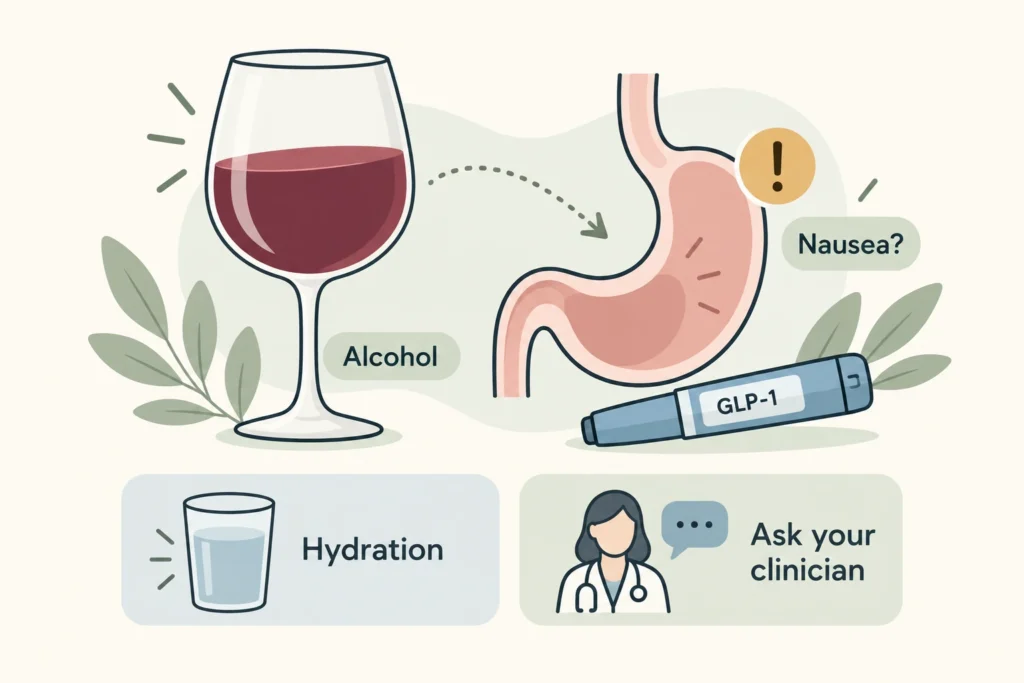
Semaglutide and tirzepatide slow stomach emptying, and alcohol sitting in a slower-moving stomach stays in contact with the stomach lining longer, which intensifies nausea and irritation for a lot of patients. Combined with the appetite suppression these medications cause, many people also end up drinking on a much emptier stomach than they used to, which independently makes alcohol’s effects, including intoxication, arrive faster and hit harder.
Alcohol can also lower blood sugar by interfering with how the liver releases stored glucose, an effect that stacks with a GLP-1 medication’s own influence on blood sugar regulation. For most patients without diabetes this rarely causes a dangerous drop on its own, but combined with vomiting, skipped meals, or dehydration it becomes a real risk worth planning around rather than dismissing. Signs worth knowing include shakiness, sweating, confusion, or lightheadedness that doesn’t match how much you actually drank.
Both carry an independent pancreatitis warning, which is why the combination deserves more caution than either factor alone. The FDA-approved prescribing information for semaglutide carries a warning for acute pancreatitis, and heavy alcohol use is separately one of the most common causes of pancreatitis outside of GLP-1 treatment entirely. Neither source claims that moderate drinking on these medications causes pancreatitis, but a patient with any personal or family history of pancreatitis has two real risk factors present at once rather than one.
Dehydration is the more immediate concern for most patients. The FDA-approved prescribing information for tirzepatide warns that acute kidney injury has occurred, most often in patients already dealing with vomiting or diarrhea and unable to stay hydrated, and alcohol’s own dehydrating effect adds directly to that risk rather than canceling it out. Someone already nauseated from a recent dose increase who also drinks is compounding two separate causes of fluid loss at the same time. What counts as expected nausea versus a symptom that needs same-day attention is covered in our guide to GLP-1 side effects by week.
Surprisingly, yes, at least for some patients, and this is the part of the conversation almost no one expects. In a randomized clinical trial published in JAMA Psychiatry in 2025, once-weekly semaglutide significantly reduced weekly alcohol craving scores compared with placebo and reduced both drinks per drinking day and heavy drinking days over nine weeks of treatment in adults with alcohol use disorder. The National Institute on Alcohol Abuse and Alcoholism has highlighted this line of research as one of the more promising developments in the field, alongside earlier animal studies showing GLP-1 receptor agonists reduce alcohol-seeking behavior.
This doesn’t mean semaglutide is a treatment for alcohol use disorder outside of a research setting, and it isn’t prescribed for that purpose at Body Works. A review of the clinical evidence for GLP-1 receptor agonists in alcohol use disorder describes the effect as consistent enough across trials to be genuinely promising, while noting the studies remain small and short compared with the decades of data behind approved GLP-1 uses. What the current evidence does mean for the average patient is simpler: some people notice a real drop in the desire to drink once they start treatment, on top of the reduced desire to eat, which is worth knowing rather than being caught off guard by.
A few habits handle most of this. Eat something substantial before drinking rather than on an empty, appetite-suppressed stomach, pace drinks more slowly than you used to since it takes less to feel the effect, and stay ahead of hydration with water between drinks rather than catching up after the fact. Skip alcohol entirely during the days right after a dose increase, when nausea risk is already at its highest point in the titration cycle, and revisit the question once that window has passed. Our semaglutide dosage schedule guide covers when those higher-risk windows fall relative to each step.
If you notice weight loss has stalled around the same time drinking has become more frequent, it’s worth looking at honestly. Alcohol adds calories without much nutritional value and can quietly work against the deficit a GLP-1 medication is trying to create, one of several overlooked factors covered in our guide to the GLP-1 plateau. This question comes up under a lot of different search terms, but the underlying interaction is the same across semaglutide, tirzepatide, and retatrutide.
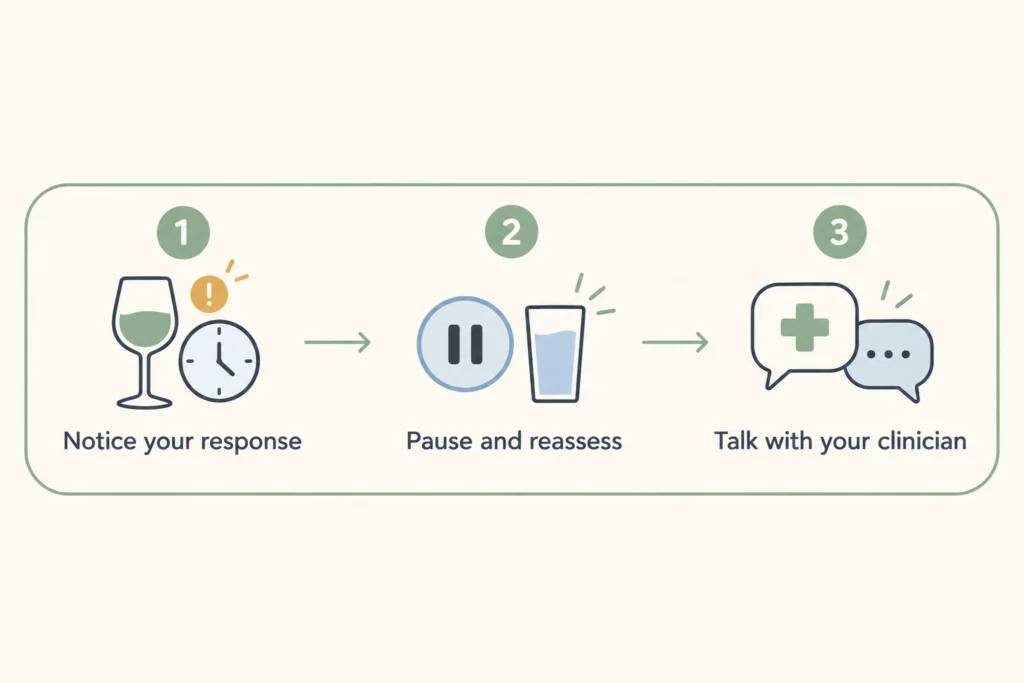
Severe abdominal pain, especially pain that radiates to the back, repeated vomiting that prevents you from keeping fluids down, confusion, or a rapid heartbeat with dizziness are not something to sleep off. These symptoms warrant a same-day call regardless of how much you drank or how well you’ve tolerated alcohol on the medication before. A single bad reaction doesn’t always predict the next one, and treating these symptoms as routine is the mistake that turns a manageable evening into an emergency room visit.
The most common version of this conversation our team has isn’t about whether a patient can drink at all. It’s about timing, a wedding, a work trip, a holiday, and whether that particular week lines up with a recent dose increase. Patients who ask ahead of an event almost always get a straightforward answer about whether their current dose timing makes that week a good one to drink normally, hold off, or just pace things more carefully than usual. Body Works would rather plan around that ahead of time than have a patient find out the hard way at the event itself.
If you have questions about how alcohol fits into your specific treatment plan, our physician-supervised weight loss program teams in Franklin and Nolensville can walk through it with you directly. Schedule a Free Consultation to get started.
Medically reviewed by Dr. Donald Vollmer, MD
Managing Physician, Body Works TN
For decades, the DNA inside your mitochondria was treated as a parts list for one job: energy production, nothing else. Then researchers found a 16-amino-acid
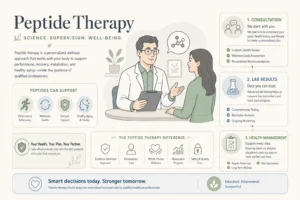
Search “peptide therapy near me” and the results mix licensed medical clinics with websites selling research-use-only vials to your front door, no prescription, no bloodwork,
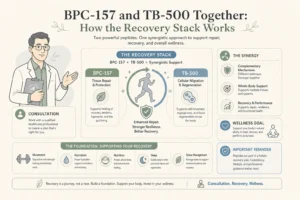
Search “BPC-157 TB-500 stack” and the forums all say the same thing: pair them, because one heals the tissue and the other helps cells get
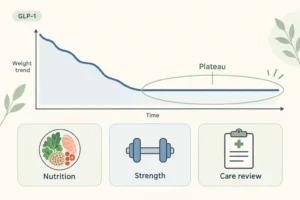
Three months of steady loss, then two weeks of nothing, then a patient calls certain the medication stopped working. It didn’t. A GLP-1 plateau is

Ask ten men about TRT side effects and you’ll hear ten different fears, most of them wrong. Shrinking testicles, aggression, hair loss, none of these
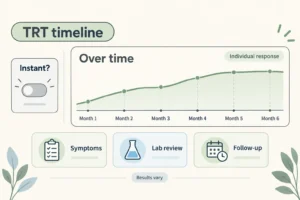
Most men expect testosterone therapy to feel like flipping a switch. It doesn’t, and a realistic TRT results timeline looks nothing like the overnight transformation
See Body Works first in your Google results.