Semaglutide vs. Tirzepatide: Which GLP-1 Is Right for You?

Semaglutide vs. Tirzepatide: Which GLP-1 Is Right for You?

April 9, 2026

Semaglutide and tirzepatide injection pens side by side representing two leading GLP-1 weight loss medications

If you are researching medical weight loss, two medication names keep coming up: semaglutide and tirzepatide. Both have changed what is possible with non-surgical weight loss, and there is now head-to-head clinical data showing how they stack up against each other. But they are not interchangeable, and the right choice depends on how each medication works, your medical history, and how your body responds during treatment.

At Body Works in Franklin, TN and Nolensville, TN, physicians prescribe both semaglutide and tirzepatide and tailor the selection to each patient. According to the National Institute of Diabetes and Digestive and Kidney Diseases, GLP-1 receptor agonists now produce 3 to 12% more weight loss than lifestyle intervention alone. This guide walks through the latest clinical evidence, including the 2025 SURMOUNT-5 head-to-head trial, so you can have an informed conversation with your provider.

How Do Semaglutide and Tirzepatide Work Differently?

Both medications belong to a class called incretin mimetics, but tirzepatide engages a second hormone pathway that semaglutide does not. Semaglutide is a pure GLP-1 receptor agonist: it mimics glucagon-like peptide-1, a hormone your gut releases after eating. It acts on the appetite center in your hypothalamus, slows gastric emptying so food stays in your stomach longer, stimulates insulin release when blood sugar is elevated, and suppresses glucagon.

Tirzepatide is a dual GLP-1 and GIP receptor agonist. It activates the same GLP-1 pathway semaglutide uses, but it also targets glucose-dependent insulinotropic polypeptide (GIP) receptors. Researchers believe this dual action enhances insulin sensitivity and fat metabolism beyond what single-pathway GLP-1 treatment achieves, and may offer additional benefits for bone formation and kidney function.
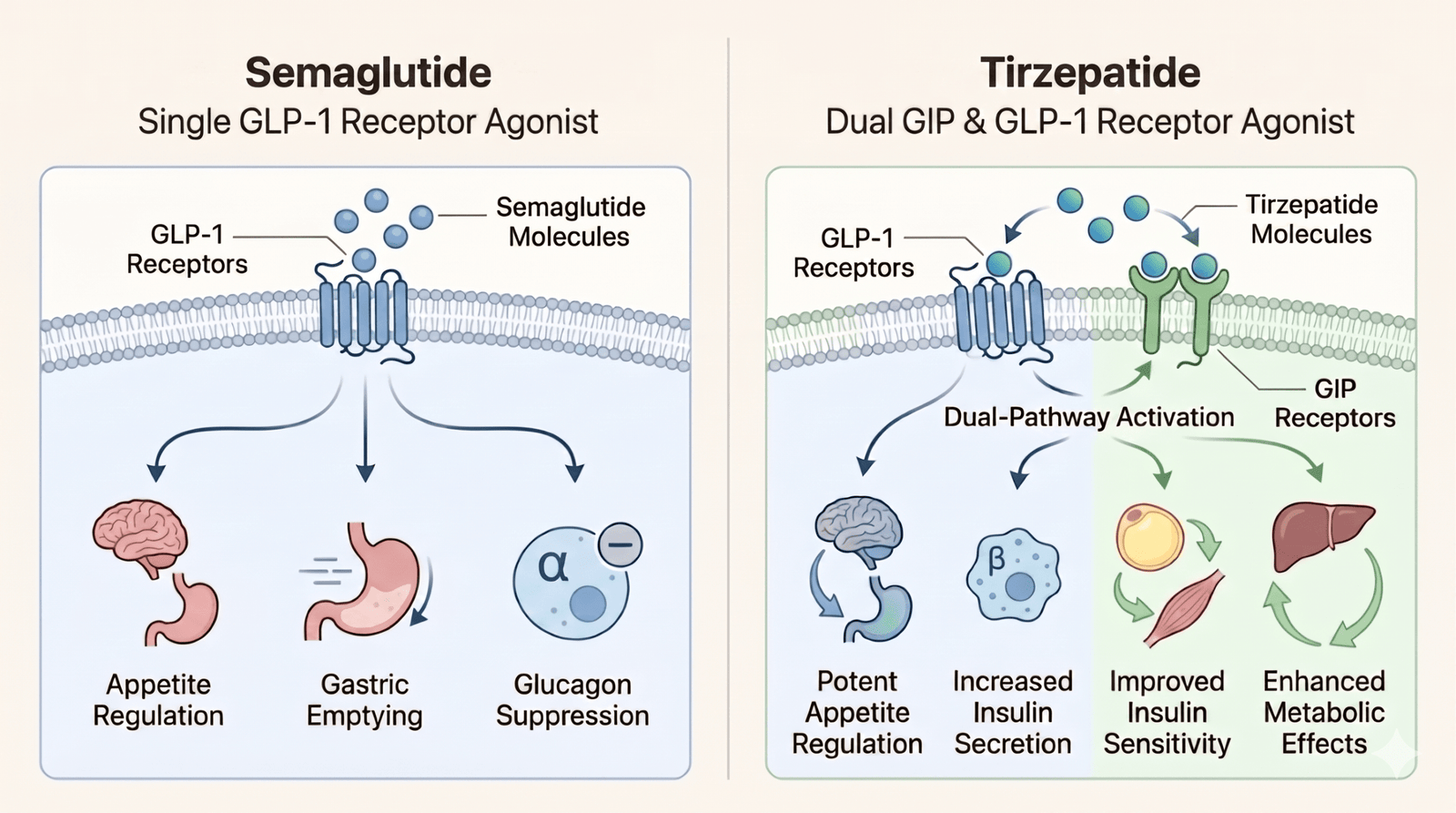
Diagram comparing single-receptor GLP-1 activity with dual GLP-1 and GIP receptor targeting

Both medications are taken as once-weekly subcutaneous injections and work best alongside a reduced-calorie diet and regular physical activity. If this drug class is new to you, our primer on what GLP-1 medications are and how they work covers the fundamentals before the comparison details below.

What Does the SURMOUNT-5 Head-to-Head Trial Show?

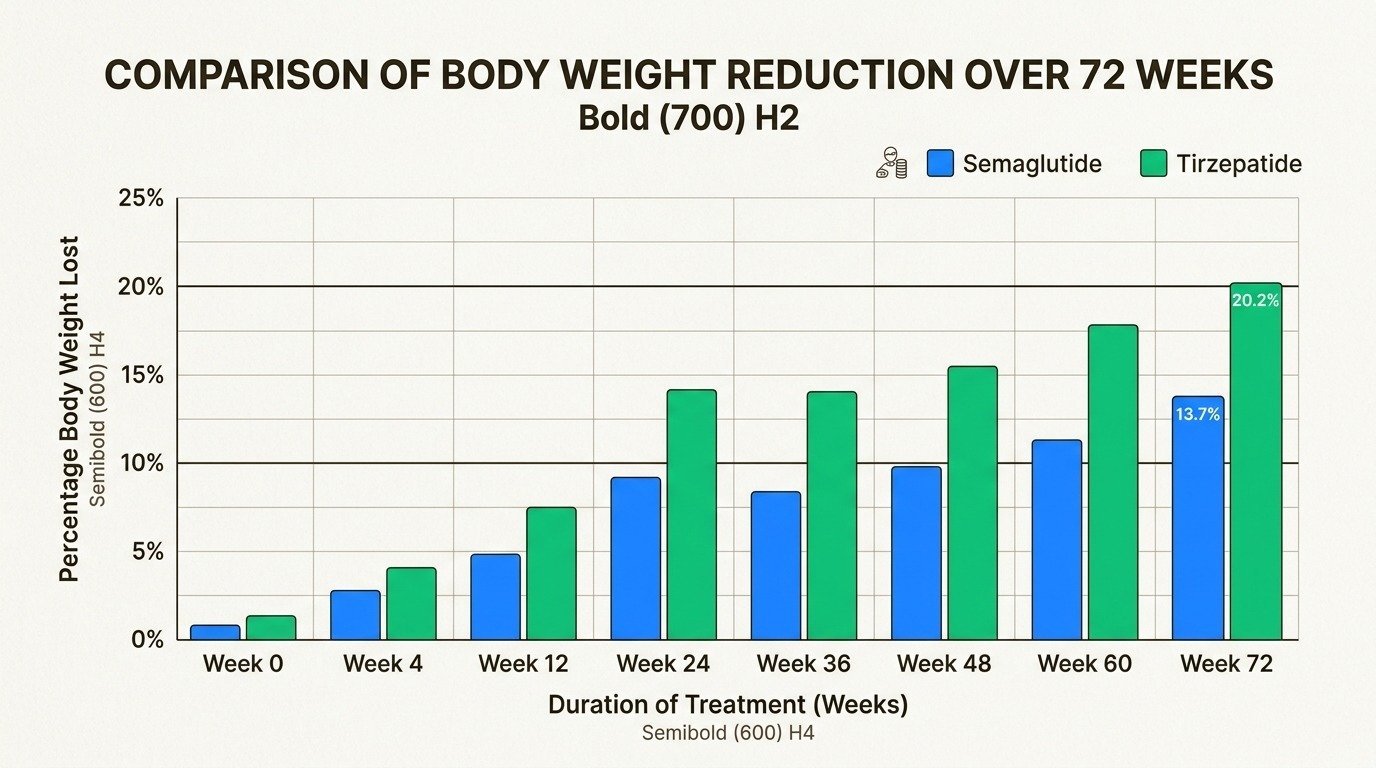
The SURMOUNT-5 trial, published in The New England Journal of Medicine in May 2025, is the first large randomized study to compare tirzepatide and semaglutide directly in adults with obesity. Over 72 weeks, tirzepatide produced notably greater weight loss across every metric the researchers measured.

OutcomeTirzepatideSemaglutideDifference
Mean body weight loss-20.2%-13.7%-6.5 percentage points
Waist circumference reduction-18.4 cm-13.0 cm-5.4 cm
Statistical significanceP<0.001P<0.001Highly significant

Chart comparing 20.2 percent tirzepatide weight loss versus 13.7 percent semaglutide weight loss from the SURMOUNT-5 trial

Significantly more tirzepatide patients hit every major weight loss milestone, including 10%, 15%, 20%, and 25% body weight reduction. Real-world data from electronic health records tells a similar story, though the gap narrows somewhat in patients who also have type 2 diabetes. These are averages, and individual results depend on starting weight, adherence to lifestyle changes, and metabolic factors. Our guide on how to succeed on medical weight loss injections walks through the habits that separate strong responders from weaker ones.

What Are the Side Effects of Each Medication?

Both medications share the same gastrointestinal side effect profile, with nausea as the most common complaint. In the STEP 1 semaglutide trial (Wilding et al., NEJM, 2021) and the SURMOUNT-1 tirzepatide trial (Jastreboff et al., NEJM, 2022), nausea affected roughly 44% of semaglutide patients and about 24% of tirzepatide patients at the maximum dose. Diarrhea, vomiting, constipation, abdominal pain, and decreased appetite also occur in a meaningful minority of patients on both drugs.

Side effects are almost always worst during dose titration, when the medication is ramped up every 4 weeks. Most patients find symptoms fade as the body adapts. Gradual escalation over 16 to 20 weeks is the standard clinical protocol precisely because it minimizes GI symptoms while still reaching a therapeutic dose.

Both medications carry the same boxed warnings. They are contraindicated in patients with a personal or family history of medullary thyroid carcinoma (MTC) or Multiple Endocrine Neoplasia type 2 (MEN 2), and both carry warnings for pancreatitis, gallbladder disease, and acute kidney injury from dehydration. A 2024 safety review in ScienceDirect noted that tirzepatide may have slightly better GI tolerability than semaglutide, likely because of its dual mechanism (ScienceDirect, 2024).

Does Semaglutide Offer Cardiovascular Benefits Tirzepatide Does Not?

Semaglutide currently has stronger evidence for heart health, making it the preferred option for patients with existing cardiovascular disease. The SELECT trial demonstrated that semaglutide 2.4 mg reduced major adverse cardiovascular events (heart attack, stroke, and cardiovascular death) by 20% in adults with overweight or obesity and established heart disease (Lincoff et al., SELECT trial, New England Journal of Medicine, 2023).

This was a landmark finding because it established that a weight loss medication could provide cardiovascular protection independent of diabetes status. Tirzepatide has not yet completed a comparable cardiovascular outcomes trial, though studies are underway and early signals are promising.

For patients whose primary concern is cardiovascular risk alongside weight management, semaglutide’s proven outcome data may tilt the decision. Cardiac history is a standard part of the evaluation at both the Franklin and Nolensville clinics before any GLP-1 prescription.

Is There an Oral Option for Either Medication?

Semaglutide is available as a once-daily oral tablet, which is currently the only FDA-approved GLP-1 pill for weight management. Tirzepatide is injection-only. For patients who have significant needle anxiety or strongly prefer oral medications, this availability difference can be the deciding factor between the two classes.
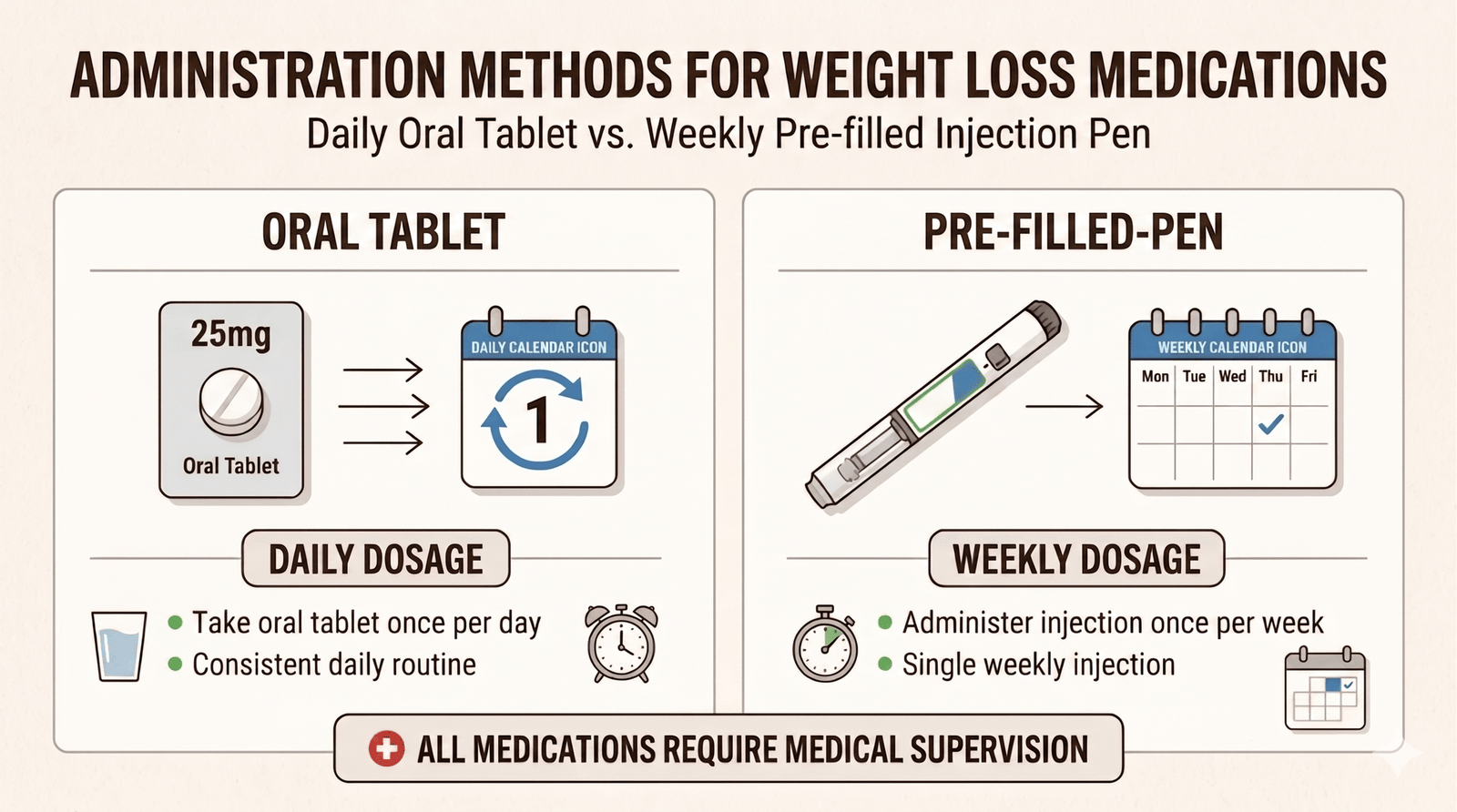
Daily oral tablet and weekly injection pen representing two administration options for GLP-1 weight loss treatment

It is worth noting that the injectable forms are dosed once weekly, while the oral tablet is taken daily on an empty stomach with specific water and fasting instructions. Many patients find the weekly injection more convenient once they get past the initial apprehension about self-injection. Either route can work; the question is which fits your lifestyle and comfort level.

Who Is a Better Candidate for Each Medication?

The right choice depends on your health history, weight loss goals, and how your body responds. Tirzepatide tends to be the stronger option when maximum weight loss is the priority, when you have significant insulin resistance, or when you have plateaued on semaglutide and need a different approach. The dual mechanism gives it an edge in patients without diabetes in particular.

Semaglutide tends to be the better choice when you have established cardiovascular disease, when you want the longer safety track record, when you prefer or need an oral option, or when you value appetite-focused weight loss support with proven outcome data. Patients who cannot tolerate one medication often tolerate the other better, so switching is always on the table.

Before starting either medication, your provider will review your personal and family history of thyroid cancer, pancreatitis, gallbladder disease, kidney function, and pregnancy plans. Body Works physicians evaluate every patient individually at the Franklin and Nolensville clinics, and adjust treatment as your response dictates. Schedule a Free Consultation to discuss which GLP-1 medication fits your goals.

Frequently Asked Questions

Yes. Switching between GLP-1 medications under medical supervision is common when a patient plateaus or tolerates one better than the other. Your provider will typically stop the current medication and start the new one at its lowest dose to minimize side effects. Many patients who plateau on semaglutide see additional weight loss after transitioning to tirzepatide.
No. Both medications are FDA-approved for weight management in adults with obesity, or in adults who are overweight with at least one weight-related condition. You do not need to have diabetes. Clinical data suggests both medications may actually produce greater weight loss in patients without diabetes.
Current evidence suggests GLP-1 medications work best as long-term treatments. Most patients regain a significant portion of the lost weight when they stop. Obesity is being reclassified as a chronic condition, and the goal is typically a sustainable maintenance dose that preserves your results with manageable side effects.
For both medications, if you miss a dose and fewer than 4 days (96 hours) have passed, take the missed dose as soon as you remember. If more than 4 days have passed, skip the missed dose and take your next dose on your regular scheduled day. Do not take two doses within 3 days of each other.
Neither medication should be used during pregnancy. Manufacturer labeling recommends stopping GLP-1 medications at least 2 months before trying to conceive. If you become pregnant while on either medication, contact your provider immediately. Body Works physicians in Franklin and Nolensville will help you plan the safest transition if pregnancy is in your near-term plans. Schedule a Free Consultation at Body Works to meet with a provider and decide which GLP-1 medication is right for you. Medically reviewed by Dr. Donald Vollmer, MD, Managing Physician, Body Works TN

Medically reviewed by Dr. Donald Vollmer, MD
Managing Physician, Body Works TN

Browse Our Blog

What to Ask Before Signing Up for Medical Weight Loss

What to Ask Before Signing Up for Medical Weight Loss

April 8, 2026

Patient reviewing a checklist of questions before signing up for medical weight loss treatment

Everyone seems to know someone who dropped 20 pounds in a month on one of the new GLP-1 medications. The before-and-after photos are everywhere. The success stories are compelling. If you have struggled with your weight for years, medical weight loss can feel like the answer you have been waiting for.

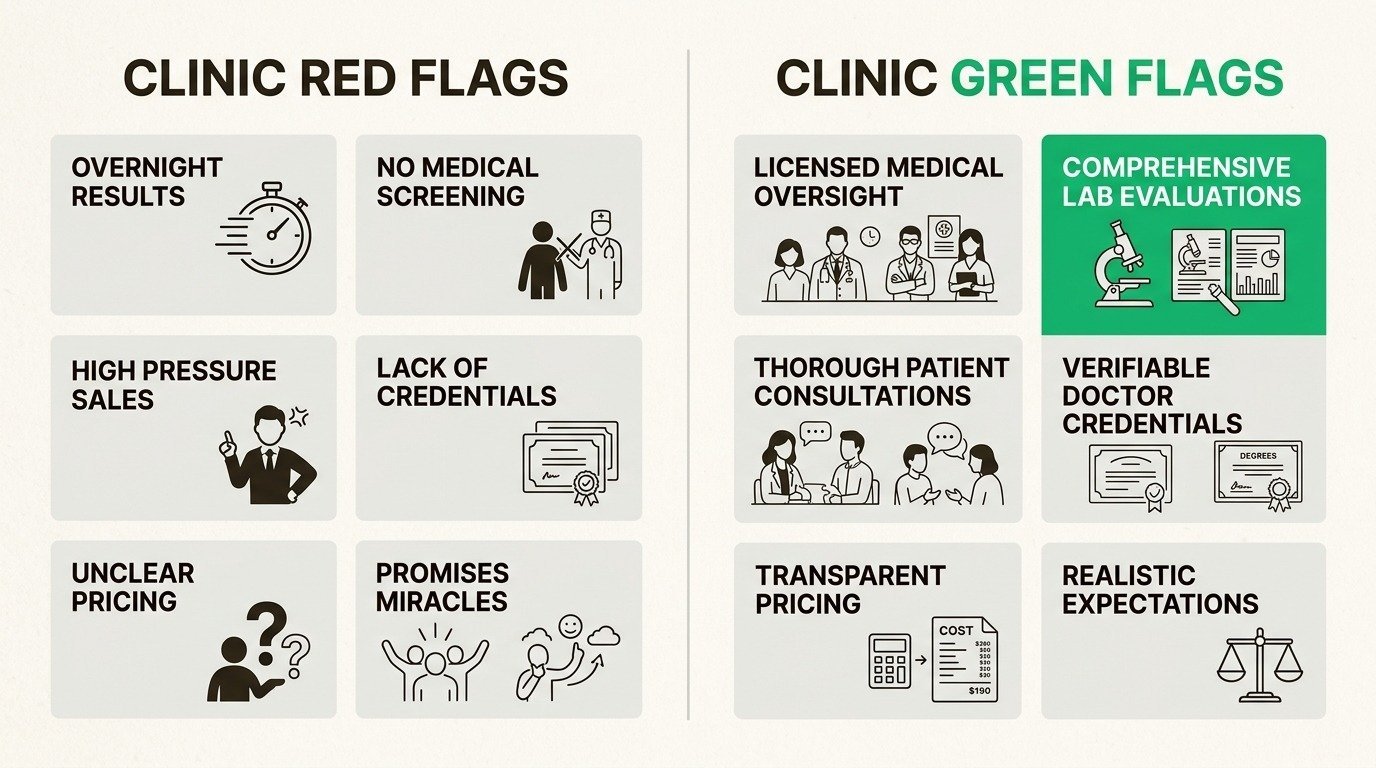
Here is the reality: not every clinic offering medical weight loss operates at the same standard. Some are legitimate medical practices with licensed professionals and comprehensive care. Others are essentially retail shops prescribing serious medications with minimal oversight. The difference matters when you are talking about drugs that affect your metabolism, hormones, and overall health. Before you commit to a provider, you need to ask some hard questions. At Body Works in Franklin, TN and Nolensville, TN, we welcome every one of the questions below during a free consultation. If a clinic you are considering does not, that answer is itself an answer.

Do You Actually Qualify for Medical Weight Loss?

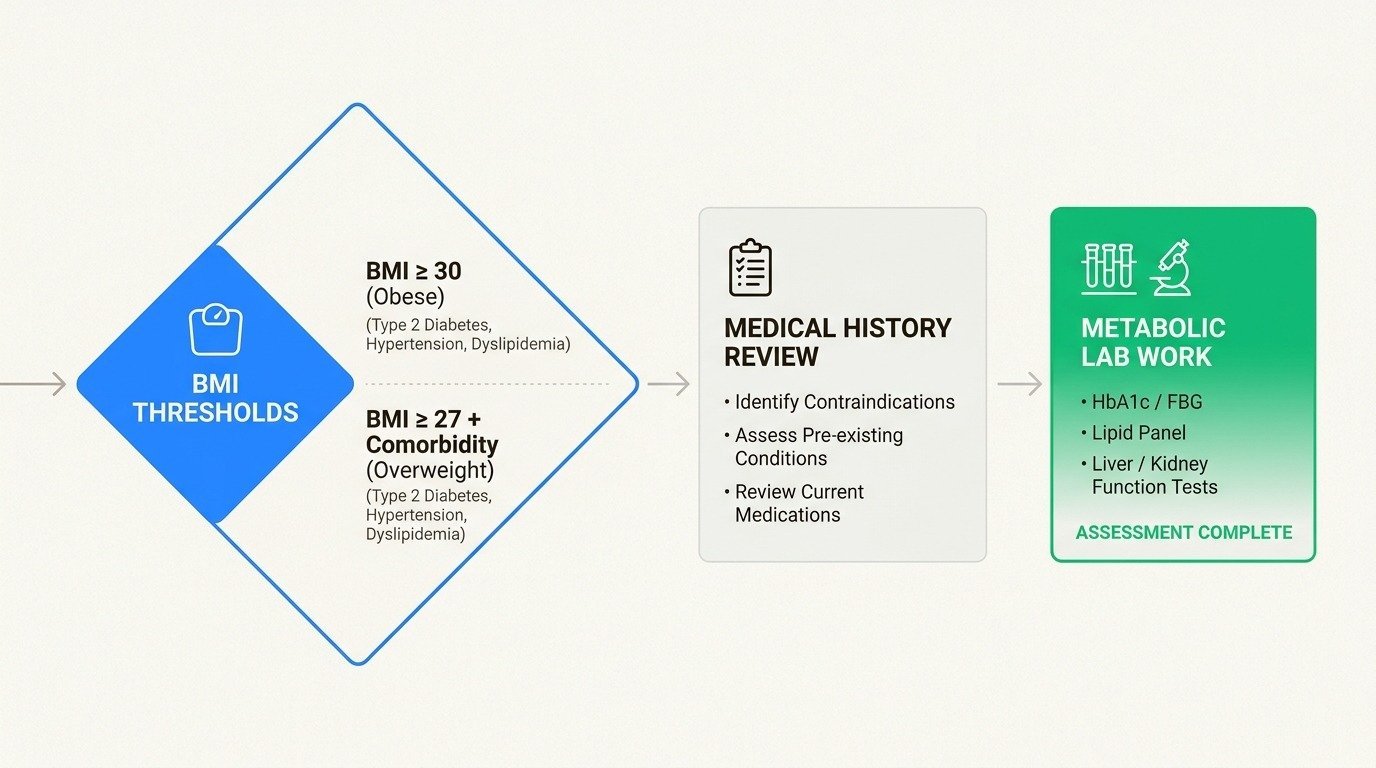
This should be the first question any reputable program addresses. Medical weight loss medications are not appropriate for everyone, and a legitimate provider will screen you carefully. The standard criteria: you typically need a BMI of 30 or higher, or a BMI of 27 or higher with weight-related conditions such as type 2 diabetes, hypertension, sleep apnea, or cardiovascular disease. The CDC Adult Obesity Facts confirm that roughly 40% of U.S. adults meet these thresholds, so you are far from alone if a provider determines you qualify. According to the American Association of Clinical Endocrinology, 42.4% of U.S. adults have obesity, so plenty of people meet these thresholds.

Rigorous screening checklist ensuring medical weight loss is safe and appropriate for each patient

BMI is just a starting point. A thorough program also reviews your medical history, current medications, and any conditions that might make certain weight loss medications unsafe. GLP-1 medications, for example, are not recommended if you have a personal or family history of certain thyroid cancers. If a clinic offers to prescribe weight loss medication without reviewing your health history, running lab work, or discussing your medical conditions, that is a major red flag. Proper screening is not a bureaucratic hurdle, it is how providers keep you safe. A provider who says yes to everyone is not practicing responsibly.

Who Oversees the Program Medically?

In many states, “medical weight loss” clinics can operate with minimal medical oversight. You might speak with a sales consultant rather than an actual healthcare provider. Ask directly: Who will evaluate me? Who prescribes the medications? What are their credentials?

Look for programs overseen by licensed Nurse Practitioners, Registered Nurses, or physicians. These professionals have the training to recognize when weight loss medications might be dangerous, how to manage side effects, and when to adjust treatment. At Body Works, the weight loss program is overseen by licensed Nurse Practitioners and Registered Nurses under owner Justin Williams. When you meet with us, you are meeting with medical professionals who can answer clinical questions, not salespeople working on commission.

What Should Happen at Your Initial Consultation?

A legitimate program starts with a comprehensive evaluation that includes a detailed health history, lab work to check hormones, thyroid function, and metabolic markers, body composition analysis, and a discussion of your goals and what has not worked for you in the past. This takes 45 minutes to an hour. If a clinic promises to get you in and out in 15 minutes with a prescription, you are not getting proper medical care.

The initial consultation is also your chance to assess the provider. Do they listen to your concerns? Do they explain things clearly? Do they seem rushed? Trust your instincts. You will be working with this team for months, so personal fit matters.

Treatment Options a Quality Clinic Should Offer

Medical weight loss is not one-size-fits-all, and the medications available today work differently from one another. A quality program offers multiple options and explains the pros and cons of each.

GLP-1 medications like semaglutide and tirzepatide target hormones that regulate appetite and blood sugar, helping you feel fuller with less food. They are highly effective for many people but come with side effects some patients find difficult during the first weeks. Other options include FDA-approved appetite suppressants, lipotropic injections with B12 and MIC nutrients, and peptide therapy. Some patients also have underlying hormonal imbalances that sabotage weight loss regardless of how strictly they diet: testosterone deficiency in men, thyroid issues, or insulin resistance. A comprehensive program evaluates these factors rather than reaching straight for a prescription. If a clinic only offers one medication or one type of treatment, that suggests a limited perspective on a complex problem.

How Will Your Plan Be Personalized to You?

Be wary of any program that hands every patient the same prescription and meal plan. Your treatment plan should account for your work schedule and daily routine, food preferences and dietary restrictions, exercise history, and your previous weight loss attempts. The plan should evolve as you progress; what works in month one may need adjustment in month three. A good provider monitors your response and adjusts based on results, side effects, and your feedback.

At Body Works, every plan is built from scratch following the principles of sustainable appetite-focused weight loss. A teacher with prediabetes who needs to lose 40 pounds requires a different approach than an executive with stress-related weight gain who needs to lose 20. Also ask how the clinic manages side effects: Do they start with lower doses and titrate up gradually? How quickly can you reach someone if a problem arises? According to the National Institute of Diabetes and Digestive and Kidney Diseases, people using weight management medications lose 3 to 12% more of their starting body weight than those not using medication. Our guide to succeeding on medical weight loss injections walks through the habits that separate strong responders from average ones.

What Happens When You Reach Your Goal?

Here is a statistic that should get your attention: most people who lose weight gain it back. Without a maintenance plan, you are likely to end up right where you started, sometimes heavier than before. Ask any prospective clinic how they handle the transition from active weight loss to maintenance. Do they gradually taper medications, or do you stop cold turkey? Is there a structured maintenance phase with ongoing support?

Some patients need to stay on medication indefinitely to maintain results. Others can transition off with the right support in place. Either way, this should be discussed upfront, not as an afterthought when you are nearing your goal. At Body Works, maintenance planning starts early: the skills and habits you will need for long-term success are built while you are still in the active weight loss phase. A good program also tracks multiple indicators of health improvement beyond the scale: blood pressure, HbA1c, cholesterol, waist circumference, and energy and sleep quality. These markers often improve before significant weight loss shows on the scale, and they are better indicators of lasting health benefit than pounds alone.

Red Flags That Mean You Should Walk Away

Some warning signs are universal. If you encounter any of these, walk away:

  • Promises of overnight results or claims like “lose 30 pounds in 30 days”
  • No medical exam or lab work required before prescribing medications
  • One-size-fits-all treatment plans with no personalization
  • Pressure to buy expensive supplements or package upgrades
  • Staff who cannot explain how medications work or what the side effects are
  • Before-and-after photos that seem too good to be true
  • Fine print hiding important terms in contracts

Warning signs showing red flag indicators of low quality medical weight loss clinics to avoid

These medications are powerful tools that require skill and judgment to use properly. The STEP 1 trial (Wilding et al., NEJM, 2021) documented an average 14.9% body weight loss with semaglutide 2.4 mg under trial-level medical supervision, which is the standard of care any clinic prescribing these medications should be able to match. A clinic that treats them like casual prescriptions is putting your health at risk. The right program welcomes your questions, explains their approach clearly, and prioritizes your safety over enrollment speed.

Body Works operates medical weight loss programs at both Franklin and Nolensville locations. Our approach is built on licensed medical oversight, personalized treatment plans, and addressing hormones, metabolism, and lifestyle together. Schedule a Free Consultation and ask us these same questions. We will give you honest answers about whether you are a good candidate and what you can realistically expect.

Frequently Asked Questions

Ask who will be overseeing your care medically. If the answer is not a licensed Nurse Practitioner, Registered Nurse, or physician, you are not in a legitimate medical program. You are in a sales operation that happens to have a prescription pad. Medical oversight is the difference between a clinic that protects your health and one that moves you through as quickly as possible.
Not necessarily. While a BMI of 30 or higher is the standard threshold, you may qualify with a BMI of 27 or higher if you have weight-related health conditions like type 2 diabetes, hypertension, or sleep apnea. A proper evaluation will determine your eligibility based on your complete health picture, not just a single number.
The active weight loss phase typically lasts 3 to 6 months, though some patients continue longer depending on their starting point and goals. Maintenance support should continue indefinitely. Be wary of programs that focus only on rapid loss without planning for keeping the weight off. Sustainable results require long-term support built into the plan from the beginning.
Bring a complete list of your current medications and supplements, your medical history including previous weight loss attempts, any recent lab work from the past six months, and a list of questions you want to ask. Being prepared helps your provider create a more effective, personalized plan and gives you time during the visit to get real answers rather than background details.
No. GLP-1 medications are highly effective for many people, but they are not the only option. FDA-approved appetite suppressants, lipotropic injections, peptide therapy, and hormone balancing may all be appropriate depending on your situation. A quality program discusses multiple options and helps you choose the right approach based on your health profile and goals.
Watch for promises of overnight results, no medical screening required, pressure to buy expensive supplements or package upgrades, inability to explain medication side effects, or treatment plans that are identical for every patient. These signs indicate a clinic focused on profit over patient safety. A reputable clinic welcomes scrutiny and answers questions directly. Schedule a Free Consultation at Body Works in Franklin or Nolensville to get straight answers to every one of these questions. Medically reviewed by Dr. Donald Vollmer, MD, Managing Physician, Body Works TN

Medically reviewed by Dr. Donald Vollmer, MD
Managing Physician, Body Works TN

Browse Our Blog

In-Person vs. Online GLP-1 Weight Loss: Which Is Right for You?

In-Person vs. Online GLP-1 Weight Loss: Which Is Right for You?

April 7, 2026

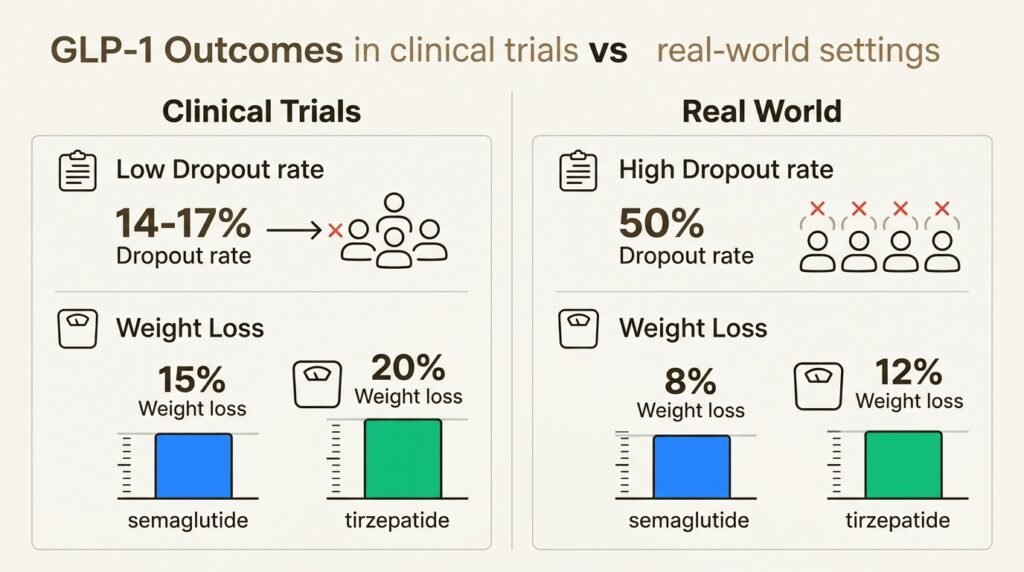
Choosing between an in-person and online GLP-1 weight loss program is one of the most consequential decisions a patient can make before starting treatment. The difference goes far beyond convenience. A Cleveland Clinic real-world analysis of nearly 8,000 GLP-1 patients found that roughly half discontinued treatment within the first 12 months. In clinical trials with intensive medical supervision, dropout rates ranged from just 14% to 17% over the same period.

The gap extends to outcomes. Real-world semaglutide patients lost an average of 8% of their body weight, compared to 15% in supervised clinical trials. For tirzepatide, the real-world average was 12%, compared to 15-20% in trials. Understanding how GLP-1 medications work is the first step; choosing the right care setting is the second, because the model a patient selects directly shapes both how much weight they lose and how long they stay on treatment.

TL;DR: In-person GLP-1 programs deliver nearly double the weight loss of online alternatives. Patients with regular medical supervision stay on treatment longer, manage side effects more effectively, and achieve outcomes closer to clinical trial results. Online programs offer convenience but lack physical assessments, body composition tracking, and immediate side effect management.

In-person vs online GLP-1 weight loss comparison

How Do Online and In-Person GLP-1 Programs Differ?

Online GLP-1 programs typically begin with a digital intake form and a short telehealth consultation via video or phone. If a provider determines the patient is a candidate, medication ships directly to their door. Follow-up care happens through messaging platforms or scheduled virtual calls. Research published in the Journal of Medical Internet Research found that higher levels of digital engagement in remote GLP-1 programs correlated with greater weight loss at three and six months, suggesting that active participation matters regardless of the care model.

In-person programs start with a comprehensive medical evaluation: lab work, physical examination, body composition analysis, and a face-to-face consultation. Dosing adjustments happen based on direct clinical observation rather than self-reported symptoms. Patients also gain access to complementary services like IV hydration therapy, nutritional counseling, and in-office injections that online programs cannot provide.

The core limitation of telehealth programs is what they cannot do. Physical examinations are impossible remotely. Providers cannot take vitals, assess body composition changes, or identify clinical signs that indicate how treatment is affecting the patient. Dosing protocols tend to be more standardized, and the real-time clinical adjustment that comes from seeing a patient face-to-face is absent.

Telehealth GLP-1 consultation showing convenience vs limitations

Why Does Medical Oversight Matter for GLP-1 Safety?

The safety gap between in-person and online GLP-1 care comes down to three factors: pre-treatment screening, side effect management, and long-term monitoring.

Lab work and pre-screening is the first major differentiator. In-person programs require bloodwork to assess metabolic health, thyroid function, and kidney markers before prescribing. This identifies contraindications, establishes baselines for tracking progress, and confirms the medication is appropriate for the patient’s biology. Some online programs skip comprehensive labs or rely entirely on self-reported medical history.

Side effect management is where the gap becomes most visible. GLP-1 medications commonly cause nausea, vomiting, diarrhea, and fatigue as the body adjusts to delayed gastric emptying. In the STEP 1 semaglutide trial published in the New England Journal of Medicine (2021), approximately 44% of patients experienced nausea during the titration phase. In-person providers can assess severity, adjust dosing schedules, prescribe anti-nausea protocols, and determine when symptoms warrant a medication change. Online programs handle these issues through asynchronous messaging or scheduled calls, which can delay intervention during a critical adjustment window.

Muscle preservation is an emerging concern that in-person monitoring addresses more effectively. Research from UC Davis indicates that rapid weight loss on GLP-1 medications can result in 15-25% lean muscle mass loss without proper dietary and exercise intervention. In-person programs track body composition over time, provide targeted exercise guidance, and ensure adequate protein intake to protect lean mass. Remote programs rarely have the tools or regular touchpoints to monitor this closely.

The clinical team at Body Works, including four Nurse Practitioners and three Registered Nurses, provides the level of medical oversight that ensures patients receive timely adjustments throughout their treatment.

Clinical data comparing in-person vs online GLP-1 weight loss outcomes

How Does Accountability Affect Long-Term Results?

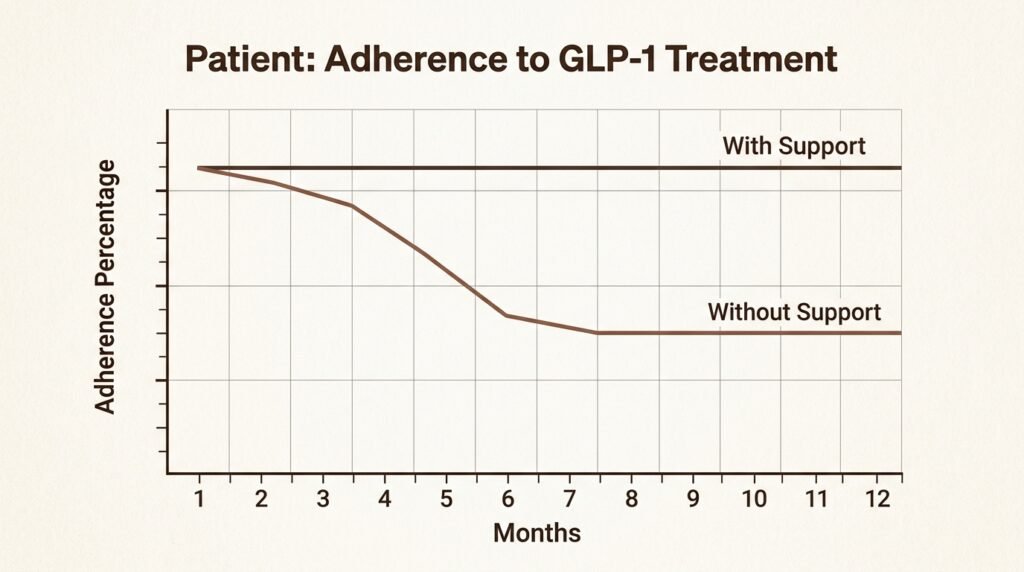
The Cleveland Clinic real-world data tells a clear story: roughly half of GLP-1 patients in everyday settings stopped treatment within 12 months, compared to just 14-17% in supervised clinical trials. The most common reasons for discontinuation were cost, unmanaged side effects, and frustration with plateaus. Patients who stopped within the first year saw minimal sustained weight loss, while those who continued treatment maintained and built on their progress.

In-person programs address adherence through built-in accountability structures. Scheduled visits create natural commitment points. A direct relationship with a provider builds the trust needed for patients to report problems early rather than quietly discontinuing. Immediate problem-solving prevents minor side effects from becoming reasons to abandon treatment entirely. Regular body composition tracking and lab work provide objective measures of progress beyond the bathroom scale, which can be misleading during periods of body recomposition. Following proven strategies for medical weight loss success becomes significantly easier with a provider who reinforces them at every visit.

This accountability is particularly important for maintaining the reduction in “food noise,” the constant mental preoccupation with eating that many patients describe as life-changing when it quiets on GLP-1 medication. That benefit requires consistent treatment, and programs designed around regular check-ins help patients sustain appetite control over the long term.

Medical accountability and structured support improving GLP-1 treatment adherence

Comparing Costs and Value

Online GLP-1 programs typically advertise lower monthly fees than in-person alternatives. Telehealth providers have lower overhead without physical facilities and often pass those savings to patients. However, advertised pricing frequently covers only the consultation and prescription. Medication, shipping, follow-up visits, and lab work come at additional cost, which can narrow the gap once all expenses are accounted for.

FactorOnline ProgramsIn-Person Programs
Monthly program feesLowerHigher
Medication costsOften billed separatelyOften included in program
Lab work and monitoringPatient arranges independentlyIncluded in program
Side effect supportMessaging or scheduled callsSame-day or next-day appointments
Body composition trackingNot availableIncluded
Complementary servicesNot availableIV therapy, injections, nutrition counseling

The most economical option is the one that keeps the patient on treatment long enough to reach their goals. Discontinuing after three months because of unmanaged side effects or lack of support means paying for medication that never delivered its full benefit. Body Works offers flexible financing through Cherry with no hard credit check, making medically supervised care accessible without compromising on quality of support.

Which GLP-1 Care Model Is Right for You?

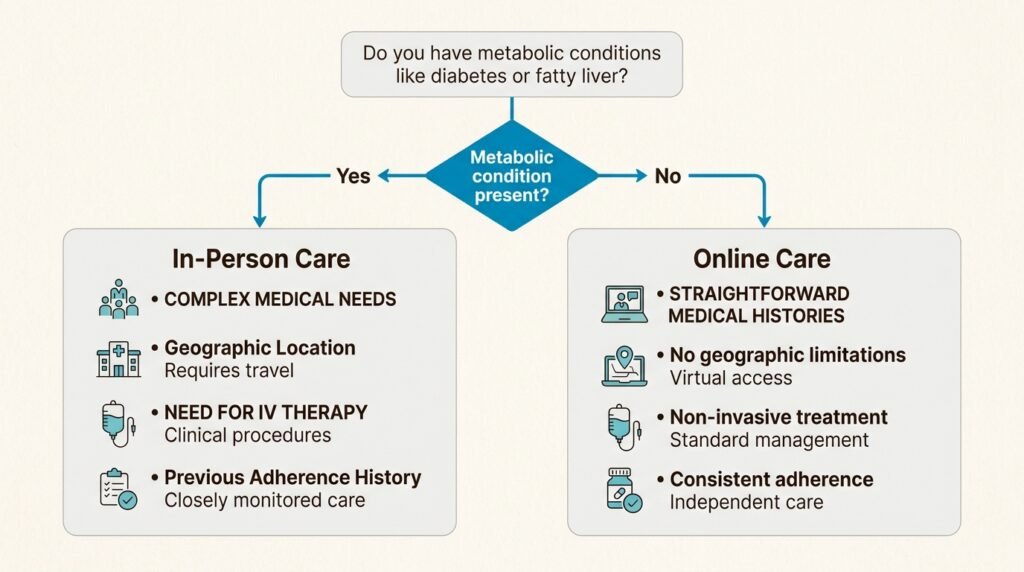
In-person care tends to work best for patients with complex medical histories or multiple medications, those with diabetes or cardiovascular concerns, people who value immediate access to their medical team, anyone who has struggled with treatment adherence in the past, and patients who want access to complementary services like IV therapy or hormone optimization.

Online programs may be appropriate for patients with straightforward medical histories, those living in areas without local obesity specialists, people who travel frequently and need schedule flexibility, and patients who are highly self-motivated and comfortable managing their own care with minimal supervision.

Body Works offers comprehensive, physician-supervised GLP-1 weight loss programs at two convenient locations in Franklin and Nolensville, Tennessee. Each program begins with a full medical evaluation, includes ongoing body composition tracking and lab monitoring, and provides the accountability structure that real-world research shows leads to better outcomes. Request a free consultation to discuss which approach is right for your health profile and goals.

Decision framework for choosing between in-person and online GLP-1 care

Frequently Asked Questions

Yes, switching is common and straightforward. Many patients transfer to in-person programs after hitting a plateau, experiencing persistent side effects, or wanting more comprehensive oversight. A new provider will review the full treatment history, order updated labs, and adjust the plan based on the patient’s response to date.
In-person program fees are typically higher per month, but the total cost often includes services that online programs bill separately: lab work, body composition tracking, side effect management, and follow-up visits. Body Works offers Cherry financing to break costs into flexible monthly payments with no hard credit check.
Yes. Body Works operates clinics in both Franklin, TN and Nolensville, TN, offering the same comprehensive GLP-1 medical weight loss programs at each location. Both clinics provide lab work, body composition analysis, and ongoing medical supervision with a team of licensed Nurse Practitioners and Registered Nurses.
Most patients notice reduced appetite within the first two to four weeks. Measurable weight loss typically becomes apparent by weeks four through eight as the dose is titrated upward. Clinical trial data shows an average of 14.9% body weight loss on semaglutide over 68 weeks (STEP 1 trial) and up to 22.5% on tirzepatide over 72 weeks (SURMOUNT-1 trial).
Side effects like nausea, diarrhea, and fatigue are common during the initial titration phase and usually resolve within several weeks. In-person programs can address these within 24 to 48 hours through dosing adjustments, anti-nausea protocols, or dietary modifications. Online programs typically respond through messaging or scheduled calls, which may involve longer wait times during the critical early weeks of treatment.

Medically reviewed by Dr. Donald Vollmer, MD
Managing Physician, Body Works TN

Browse Our Blog

Ozempic Face: What Causes It and How to Treat It

Ozempic Face: What Causes It and How to Treat It

April 6, 2026

If you have been researching semaglutide or other GLP-1 medications for weight loss, you have probably come across the term “Ozempic face.” The phrase describes the hollow, aged look that some patients develop in their cheeks, temples, and under-eye areas after losing a significant amount of weight in a short period. While the weight loss itself is a major health win, the facial changes can be startling and discouraging.

The good news: Ozempic face is neither inevitable nor permanent. Understanding why it happens, who is most at risk, and what treatment options exist puts you in a much stronger position. Body Works in Franklin, TN and Nolensville, TN treats this concern regularly among weight loss patients. Because the clinic offers both medical weight loss programs and a full aesthetics suite including dermal fillers and Botox, patients can lose weight confidently while preserving a youthful, healthy appearance.

Ozempic face hero image showing facial volume changes

What Exactly Is Ozempic Face?

Ozempic face is the visible result of rapid facial fat pad depletion during significant weight loss. When you lose body fat quickly, the fat compartments in your cheeks, temples, and periorbital areas shrink faster than your skin and underlying collagen can remodel. The result is a hollowed, sagging appearance that can add years to your look, even as the rest of your body transforms.

A 2024 systematic review in Aesthetic Surgery Journal Open Forum confirmed that massive weight loss causes the most significant fat devolumization in the mid-cheek region, along with increased skin laxity in the central neck and lower face. The term “Ozempic face” is somewhat misleading because any form of rapid weight loss, not just semaglutide, can produce these changes. Surgical weight loss, crash diets, and other GLP-1 medications all carry the same risk.

Diagram showing facial fat pads affected by weight loss

Who Is Most at Risk for Ozempic Face?

Patients over 40, those losing 15% or more of their body weight, and individuals with naturally lean facial structures face the highest risk of developing noticeable Ozempic face. Age is the single biggest factor because skin elasticity and collagen production decline with each decade, making it harder for facial skin to contract and adapt to reduced volume underneath.

The speed of weight loss also matters significantly. Patients who lose weight rapidly over three to four months are more likely to experience visible facial changes than those who lose the same amount over eight to twelve months. Genetics play a role as well; some people carry more facial fat than others, and those who start with less facial volume have less margin before hollowing becomes apparent. Women tend to notice the changes more than men, partly because female facial fat distribution is more concentrated in the mid-face region.

Risk factors for developing Ozempic face

How Can You Prevent Ozempic Face During Weight Loss?

Prevention starts with managing the pace of weight loss and supporting your body’s collagen production throughout treatment. A controlled weight loss rate of one to two pounds per week, rather than rapid drops, gives facial skin more time to adapt to the reduced volume beneath it. Your provider at Body Works can adjust your GLP-1 dosing schedule to promote a steady, sustainable rate of loss.

Nutritional strategies also make a meaningful difference. Consuming adequate protein (1.2 to 1.6 grams per kilogram of body weight daily) supports collagen synthesis and overall skin health. Staying well hydrated, using daily sunscreen, and incorporating collagen-boosting nutrients like vitamin C and zinc into your routine all contribute to maintaining skin elasticity during weight loss. Some patients also benefit from topical retinoids, which stimulate collagen production in the skin directly.

How to prevent Ozempic face

What Are the Best Treatments for Ozempic Face?

Dermal fillers are the most effective and immediate treatment for Ozempic face. Hyaluronic acid fillers like Juvederm can restore lost volume in the cheeks, temples, and under-eye hollows in a single appointment, with results lasting six to twelve months. A multicenter clinical trial published in Dermatologic Surgery demonstrated that hyaluronic acid fillers provide superior, longer-lasting correction of facial volume loss compared to other filler technologies.

Botox complements fillers by addressing dynamic wrinkles, the lines that form from repeated facial expressions like frowning, squinting, and raising your eyebrows. A Cochrane review of 65 studies involving nearly 15,000 participants confirmed that botulinum toxin effectively reduces facial wrinkles with a strong safety profile. For patients experiencing both volume loss and wrinkle deepening, combining fillers and Botox produces the most natural-looking results.

Treatment options for Ozempic face

Why Choose Body Works for Weight Loss and Aesthetics?

Body Works is one of the few clinics in the Franklin and Nolensville area that offers both physician-supervised medical weight loss and professional aesthetics services under one roof. This means your weight loss provider and your aesthetics provider can coordinate your care, timing filler treatments with your weight loss trajectory for optimal results.

Rather than losing weight at one clinic and then seeking a separate aesthetics practice to fix the facial changes, patients at Body Works in Franklin and Nolensville, TN receive an integrated plan from the start. Your provider can monitor facial volume changes during weight loss check-ins and recommend preventive or restorative treatments at the right time. This coordinated approach saves time, reduces cost, and produces results that look natural because both sides of the equation are managed together. Call the Franklin office at (615) 790-2548 or the Nolensville location at (615) 941-1000 to Schedule a Free Consultation.

Frequently Asked Questions

Most patients notice facial changes after losing 10 to 15% of their starting body weight, which typically occurs three to six months into GLP-1 treatment. Patients over 40 and those with less facial fat to begin with may notice changes earlier.
Yes. There are no known interactions between GLP-1 medications and hyaluronic acid fillers or Botox. Many patients at Body Works receive both treatments concurrently as part of their overall wellness plan.
Cost depends on the number of syringes needed and the treatment areas. Body Works offers transparent pricing during your consultation and flexible financing through Cherry with no hard credit check. HSA and FSA payments are also accepted.
Some patients experience partial improvement as their skin gradually adapts to the new facial contour over six to twelve months. However, significant volume loss in the cheeks and temples rarely resolves completely without filler treatment, especially in patients over 40.
Yes. Body Works in Franklin and Nolensville, TN offers both GLP-1 medical weight loss and aesthetics services including dermal fillers and Botox. Your provider can address Ozempic face as part of your weight loss program or as a standalone treatment.

Medically reviewed by Dr. Donald Vollmer, MD
Managing Physician, Body Works TN

Browse Our Blog

How to Prevent Muscle Loss While Taking GLP-1 Medications

How to Prevent Muscle Loss While Taking GLP-1 Medications

April 6, 2026

If you are taking semaglutide, tirzepatide, or another GLP-1 medication, you have probably seen the headlines about muscle loss. Social media is filled with warnings about shrinking muscles and weakened strength. The concern is valid, but it is often misunderstood. Much of what gets reported as “muscle loss” is not actually skeletal muscle at all.

The clinical data tells a more nuanced story: GLP-1 medications do not uniquely destroy muscle. The body composition changes they produce are similar to what happens with any significant weight loss. And with the right combination of nutrition, exercise, and supportive therapies, patients can preserve lean mass while still benefiting from the powerful fat-reducing effects of these medications.

GLP-1 medications like semaglutide cause significant weight loss, but up to 39% of that loss can come from lean mass rather than fat. However, much of the reported “lean mass” loss is actually from the liver and body water, not skeletal muscle. Combining adequate protein intake (1.2 to 1.6 g/kg daily), consistent resistance training, and targeted therapies like peptide therapy can protect your muscle while maximizing fat loss.

Strategies to preserve lean muscle mass while taking GLP-1 medications

Why Do GLP-1 Medications Cause Lean Mass Loss?

GLP-1 receptor agonists cause lean mass loss because any significant calorie deficit triggers the body to break down both fat and lean tissue for energy. Semaglutide and tirzepatide suppress appetite and slow gastric emptying, often reducing daily calorie intake by 20 to 35%. When calorie intake drops that sharply, the body does not exclusively burn stored fat. It also catabolizes protein from lean tissue, especially when protein intake is insufficient or physical activity declines.

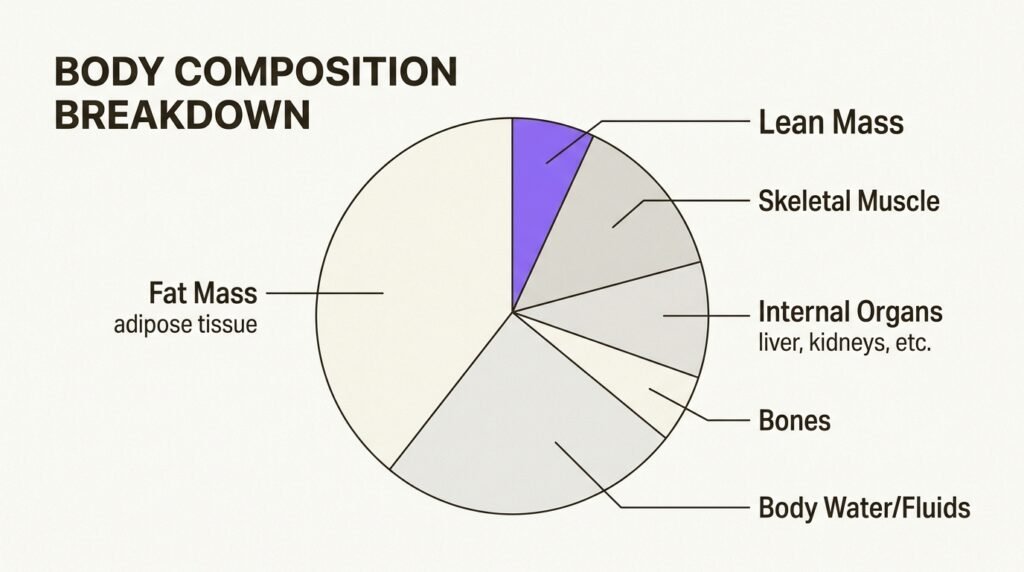
But the critical distinction is what “lean mass” actually means. When researchers report that 40% of weight lost came from “lean mass,” they are not talking exclusively about skeletal muscle. Lean mass includes internal organs (particularly the liver, which shrinks as fatty liver disease improves), body water, connective tissues, and water trapped in fat tissue. A comprehensive review in Pharmacological Research confirms that skeletal muscle changes with GLP-1 treatment appear to be “adaptive,” aligning with what you would expect given the amount of weight lost (Pereira et al., 2025).

An exercise physiologist at UC Davis Health clarified this point directly: “We are losing around 20% of muscle mass, but that is not different from diets that restrict calorie intake. Much of the reported 40% lean mass loss with GLP-1 use is coming from the liver.” The actual skeletal muscle impact is far less dramatic than the headlines suggest.

Diagram explaining lean muscle mass and its role in metabolic health during GLP-1 weight loss

What Does the Clinical Research Actually Show?

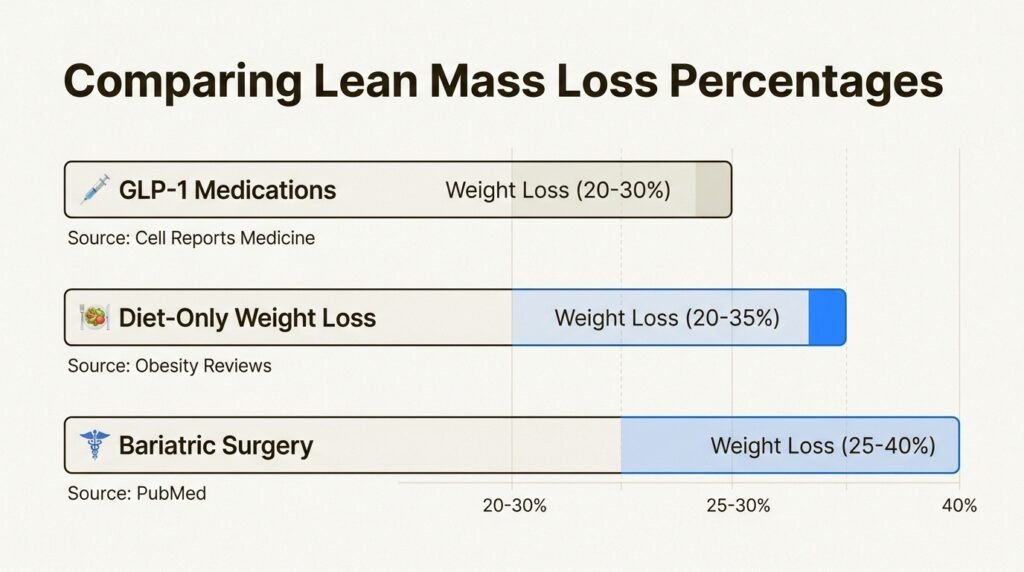
The landmark STEP 1 trial provides the most detailed body composition data for semaglutide. DXA analysis of a 140-participant subgroup showed that total lean body mass decreased by 9.7% over 68 weeks, while fat mass decreased by 19.3%. Lean tissue accounted for approximately 39% of total weight lost (Wilding et al., NEJM, 2021). That percentage sounds alarming in isolation, but context matters.

A 2022 systematic review in Obesity Reviews found that GLP-1 associated weight loss showed comparable or slightly better muscle preservation than diet-only approaches. When people lose weight through calorie restriction alone, they typically lose 20 to 35% from lean tissue. GLP-1 medications perform similarly or sometimes better. Research published in Cell Reports Medicine in 2026 concluded directly: weight loss with GLP-1 medicines does not result in a disproportionate loss of muscle mass or function.

Importantly, even though total lean mass decreased, the proportion of lean mass relative to total body weight actually increased in semaglutide patients. That means overall body composition improved: patients had a higher percentage of lean tissue and a lower percentage of fat after treatment. Improved insulin sensitivity and reduced muscle fat infiltration also led to better muscle quality, even when total volume decreased slightly.

Clinical research findings on muscle preservation during GLP-1 weight loss treatment

How Much Protein Do You Need to Protect Muscle on GLP-1 Therapy?

Patients on GLP-1 medications should consume 1.2 to 1.6 grams of protein per kilogram of body weight daily to meaningfully preserve lean mass. For a 200-pound patient, that translates to roughly 110 to 145 grams of protein each day, considerably more than the standard dietary recommendation of 0.8 g/kg. A randomized trial by Longland et al. demonstrated that participants consuming higher protein during an energy deficit gained lean body mass while losing fat mass, compared to a lower-protein group that lost lean tissue (American Journal of Clinical Nutrition, 2016).

This is where GLP-1 patients face a unique challenge. The same appetite suppression that drives weight loss also makes it difficult to eat enough protein. Body Works addresses this by recommending protein-dense food choices at every meal (Greek yogurt, lean poultry, fish, eggs, legumes), strategic use of protein supplementation between meals, and timing protein intake around workouts for maximum muscle protein synthesis. Spreading protein across four to five smaller meals rather than two or three large ones improves absorption.

For patients following best practices for medical weight loss injections, prioritizing protein from the first week of treatment prevents the deficit that accelerates lean mass breakdown later.

Resistance Training, Peptide Therapy, and Hormone Support

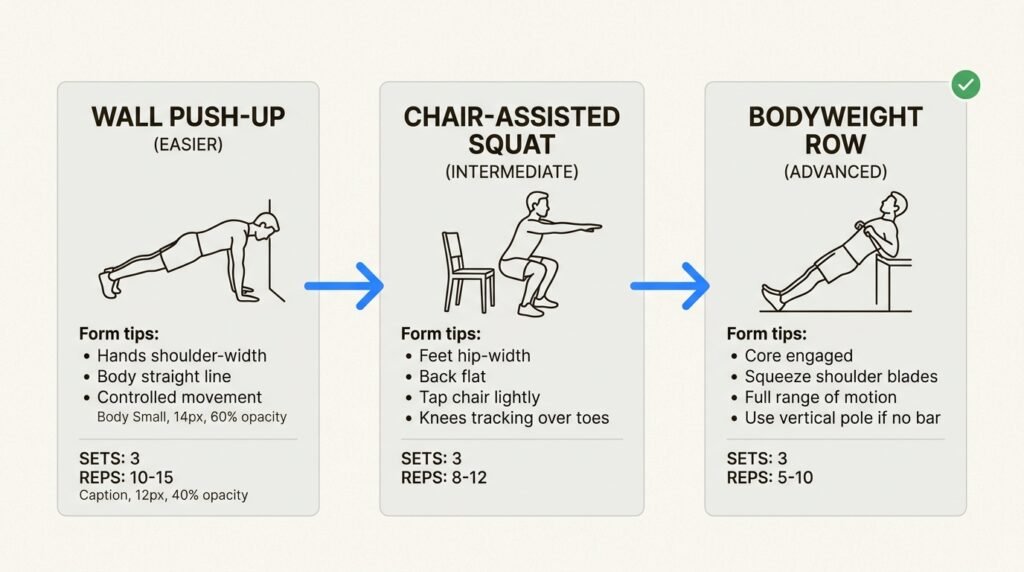
Resistance training is the single most effective intervention for preserving lean mass during GLP-1 treatment. Lifting weights or performing bodyweight exercises sends a direct signal to muscles that they are needed, overriding the catabolic signals created by calorie restriction. Two to three sessions per week focusing on compound movements (squats, presses, rows) is sufficient. Starting from scratch? Begin with wall push-ups, chair-assisted squats, and supported bridges, then progress as strength improves. Consistency matters more than intensity.

Beyond exercise, peptide therapy offers a targeted approach to protecting lean mass that works synergistically with GLP-1 medications. Peptides such as CJC-1295 and ipamorelin stimulate natural growth hormone secretion, which plays a critical role in muscle maintenance and fat metabolism. For patients on semaglutide who are concerned about losing strength, adding peptide therapy creates a dual approach: GLP-1 medications drive appetite control and fat reduction, while peptides support the anabolic environment muscles need to stay intact.

For patients with clinically low testosterone, hormone optimization through TRT can further improve the ratio of fat lost to muscle preserved. Low testosterone is common in patients with obesity and directly impairs the body’s ability to maintain muscle mass during caloric restriction. Heymsfield et al. demonstrated that pharmacological approaches targeting anabolic pathways can shift body composition toward fat loss while preserving or gaining muscle in adults with obesity (JAMA Network Open, 2021).

StrategyEffectiveness for Muscle PreservationBest For
High Protein Intake (1.2-1.6 g/kg/day)High; reduces lean mass loss by up to 50%All GLP-1 patients
Resistance Training (2-3x/week)Very High; strongest single interventionAll patients able to exercise
Peptide Therapy (GH-releasing peptides)High; supports anabolic signalingPatients with significant muscle concerns
Testosterone Replacement TherapyHigh; restores hormonal muscle supportPatients with clinically low testosterone
No Intervention (GLP-1 only)Low; 25-40% of weight lost is lean massNot recommended
Resistance training and exercise strategies to protect muscle on a GLP-1 medication

Protecting Your Muscle During GLP-1 Treatment

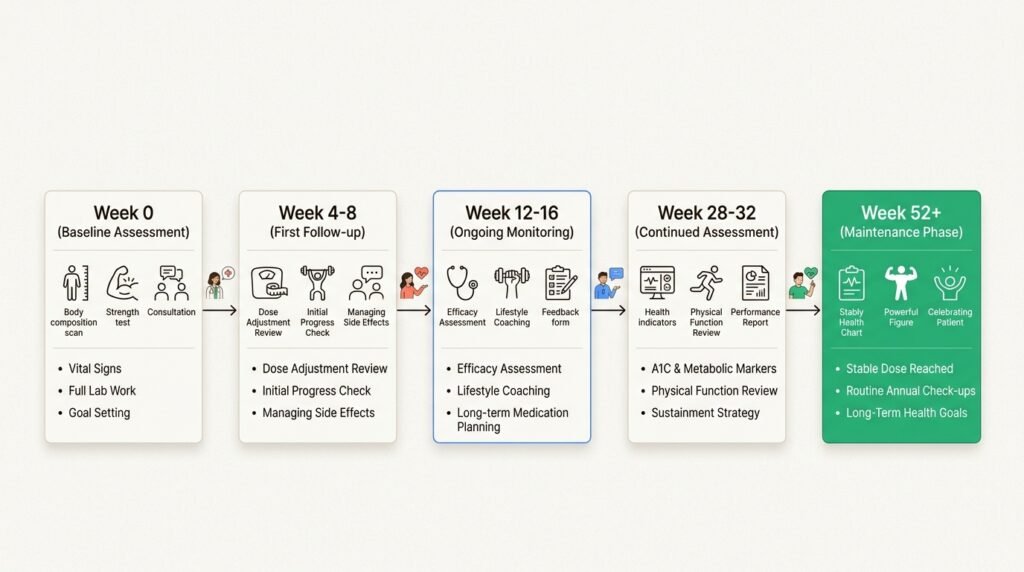
Patients who combine medication with diet and exercise consistently achieve better body composition outcomes than those who rely on medication alone. At Body Works, every medical weight loss program includes baseline body composition assessment, protein optimization guidance, follow-up monitoring at 4 to 8 weeks, and ongoing assessments every 12 to 16 weeks during active treatment. Your provider tracks not just the scale but waist circumference, strength markers, and metabolic indicators to ensure you are losing fat, not the muscle that keeps you strong.

Body Works in Franklin and Nolensville, TN offers GLP-1 therapy, peptide therapy, and hormone optimization under one roof, giving patients access to every evidence-based tool for protecting lean mass during weight loss. Dr. Donald Vollmer evaluates your body composition, hormone levels, and health history to build a plan tailored to your specific risk profile. Schedule a Free Consultation to discuss how to protect your muscle while achieving your weight loss goals.

Body composition monitoring and follow-up visits to protect muscle on a GLP-1 medication

Frequently Asked Questions

Clinical trials show approximately 25 to 39% of weight lost on semaglutide comes from lean body mass, but much of that is liver volume reduction and body water, not skeletal muscle. The actual skeletal muscle loss is comparable to what occurs with any form of calorie restriction. With proper protein intake and resistance training, patients can significantly reduce lean mass loss.

Yes. A combination of resistance training at least two to three times per week and protein intake of 1.2 to 1.6 g/kg per day has been shown to preserve and even increase lean mass during caloric restriction. Adding peptide therapy or testosterone optimization can further support muscle growth in appropriate candidates.

The recommended intake is 1.2 to 1.6 grams of protein per kilogram of body weight daily. For most patients, this means 100 to 150 grams of protein per day. Spreading intake across four to five meals and prioritizing protein-dense sources like eggs, poultry, fish, and whey protein optimizes muscle protein synthesis.

Costs vary based on the combination of therapies in your plan. GLP-1 medication, protein guidance, and exercise programming are included in the standard weight loss program. Peptide therapy and hormone optimization are additional services with separate pricing discussed during your consultation.

Yes. Both the Franklin and Nolensville, TN locations include baseline body composition assessment and ongoing monitoring as part of every weight loss program. Your provider tracks lean mass, fat mass, and functional markers to ensure your treatment is producing the right kind of weight loss.

Medically reviewed by Dr. Donald Vollmer, MD
Managing Physician, Body Works TN

Browse Our Blog