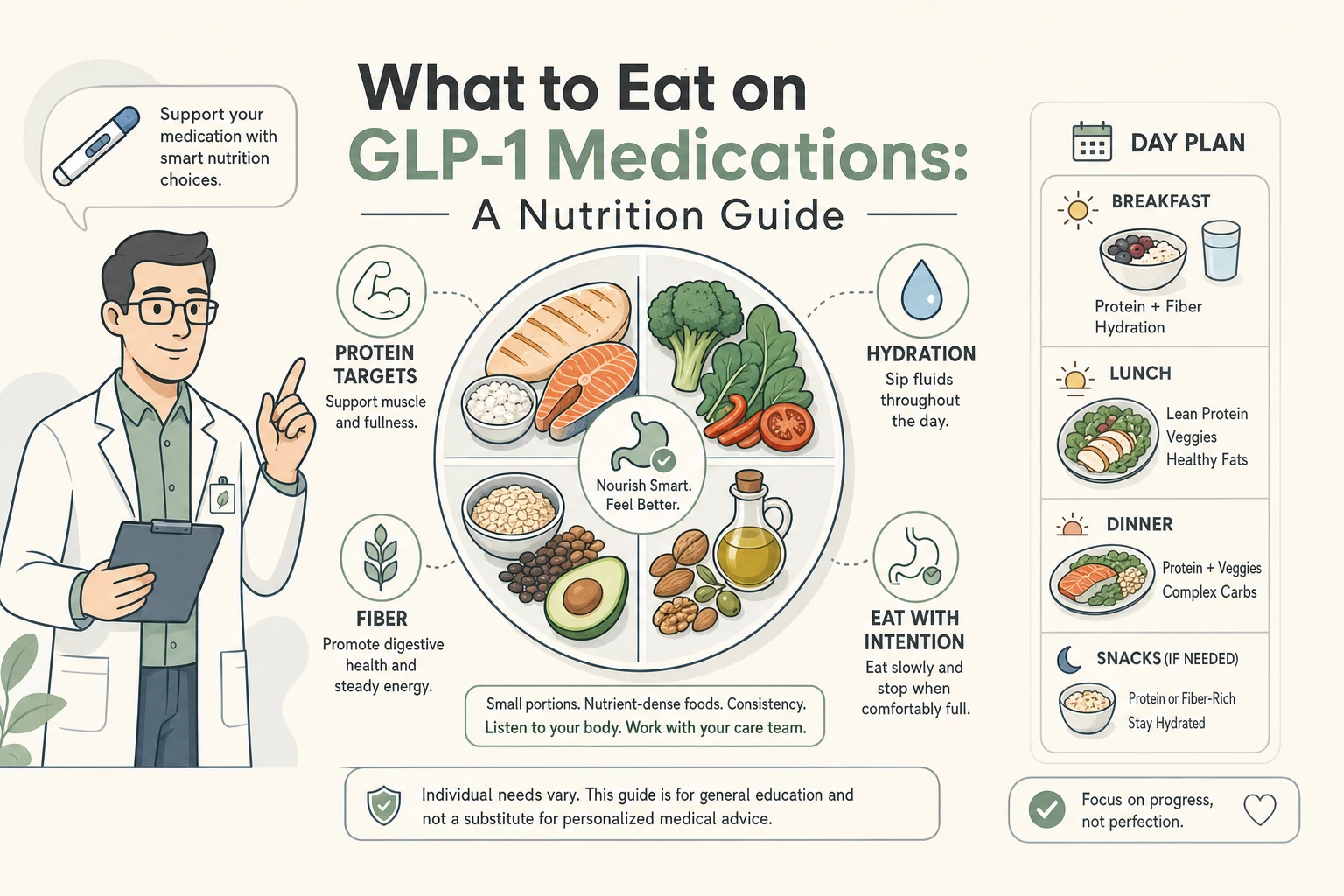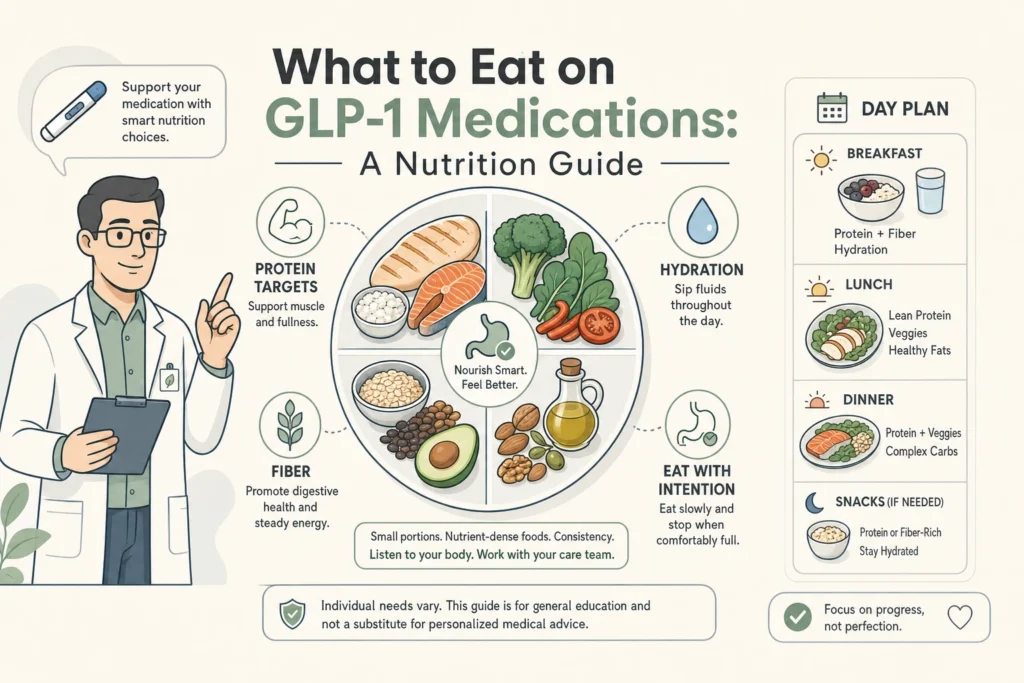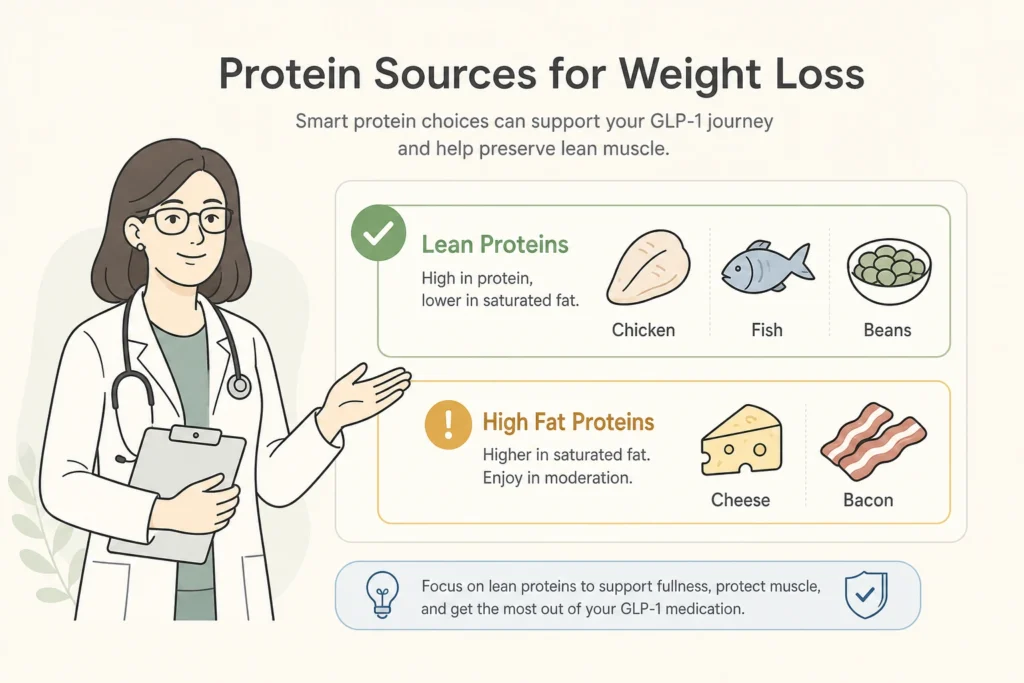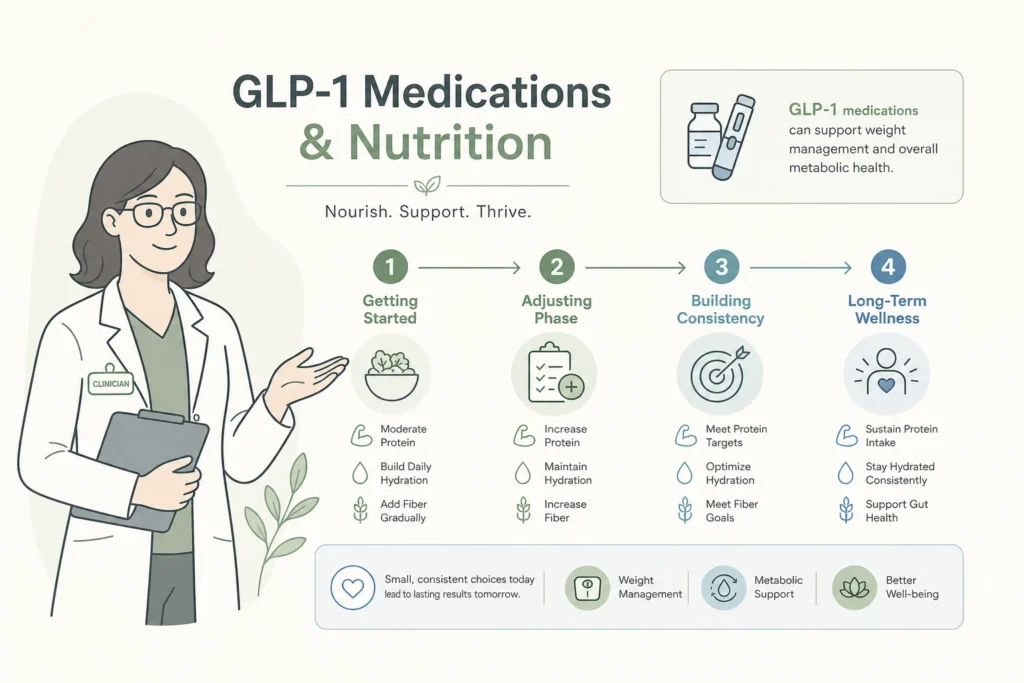
Semaglutide Results Timeline: Week-by-Week and Month-by-Month

Semaglutide Results Timeline: Week-by-Week and Month-by-Month

April 20, 2026

The most common question patients ask after their first injection is some version of “when will I see results?” That question is reasonable, but the answer is not a single number. semaglutide therapy in Franklin and Nolensville produces a predictable pattern of changes that unfolds over months, with appetite shifts visible in the first week, scale changes accelerating around weeks four to eight, and the largest single drops happening between months three and twelve. Knowing what to expect at each phase prevents two common mistakes: getting discouraged early when the scale moves slowly, and getting impatient mid-treatment when the rate of loss naturally slows.

This is a week-by-week and month-by-month guide to what the clinical evidence shows, what most patients actually experience, and how the dose titration schedule shapes the curve. The numbers come from the STEP 1 trial of semaglutide 2.4 mg, which is the most rigorous long-term data available, with real-world variation noted where it matters.

If you are still deciding whether semaglutide is right for you, the broader question of candidacy may be a better starting point. This guide assumes you already know semaglutide is a clinical fit and you want to understand the trajectory once treatment begins.

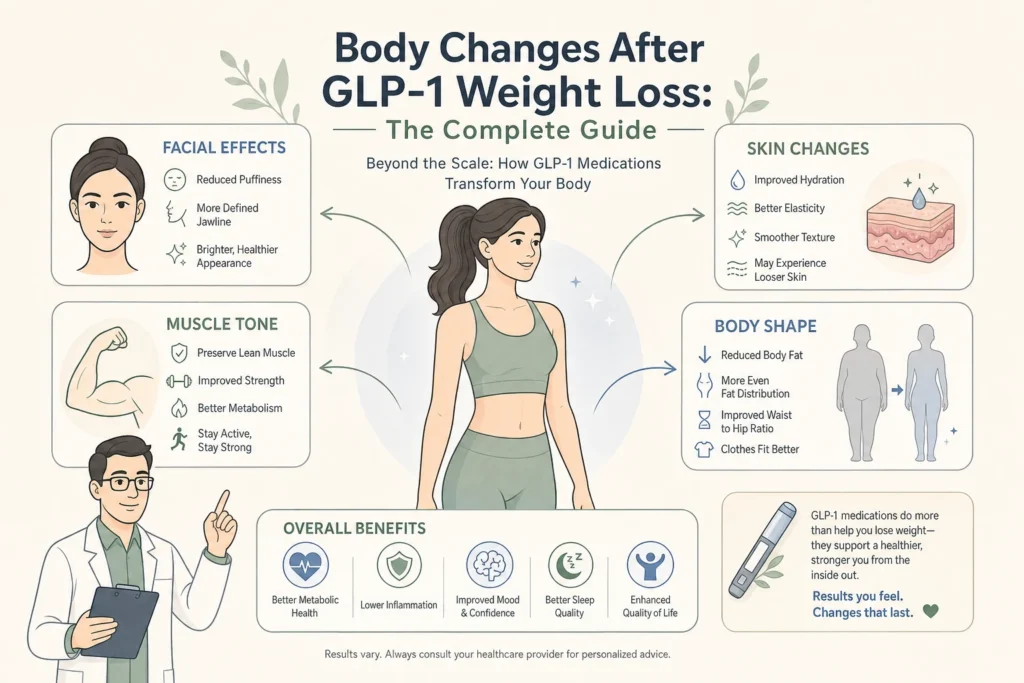
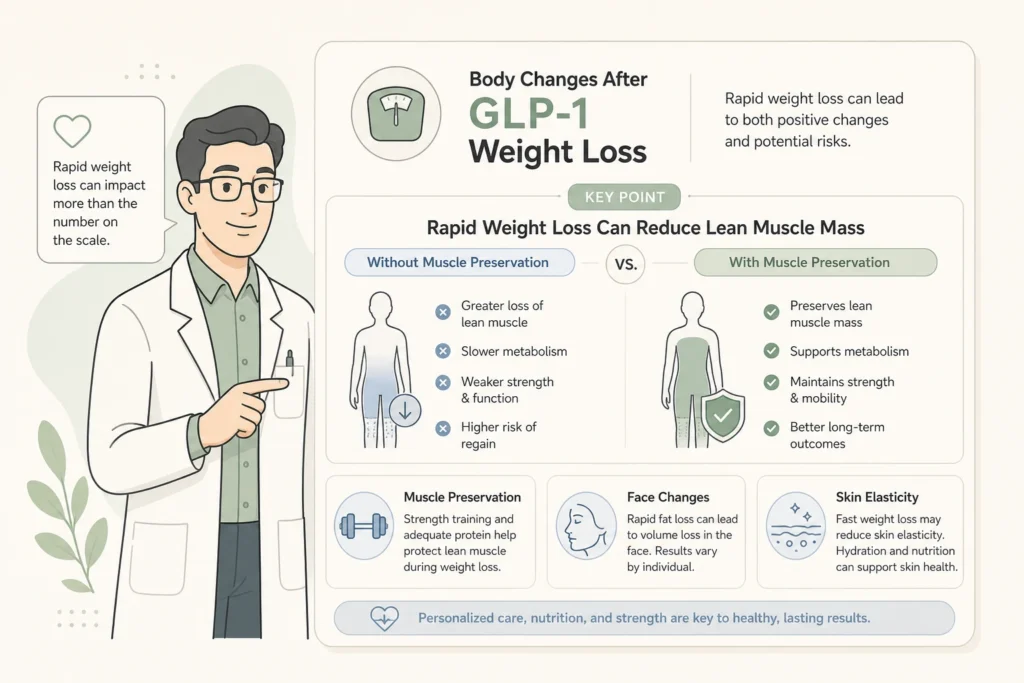
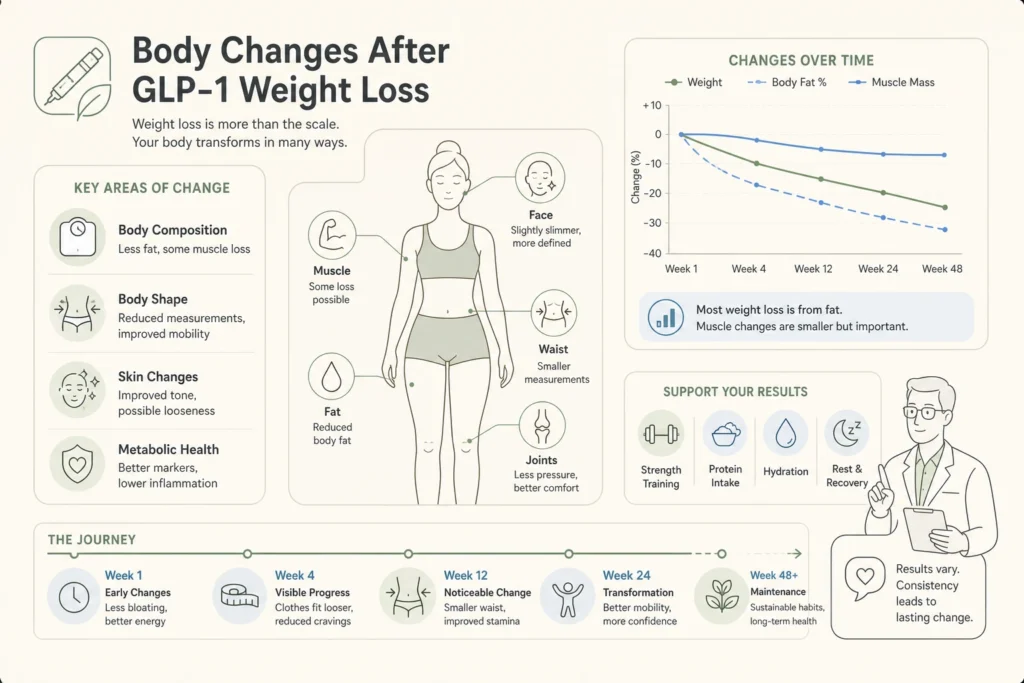
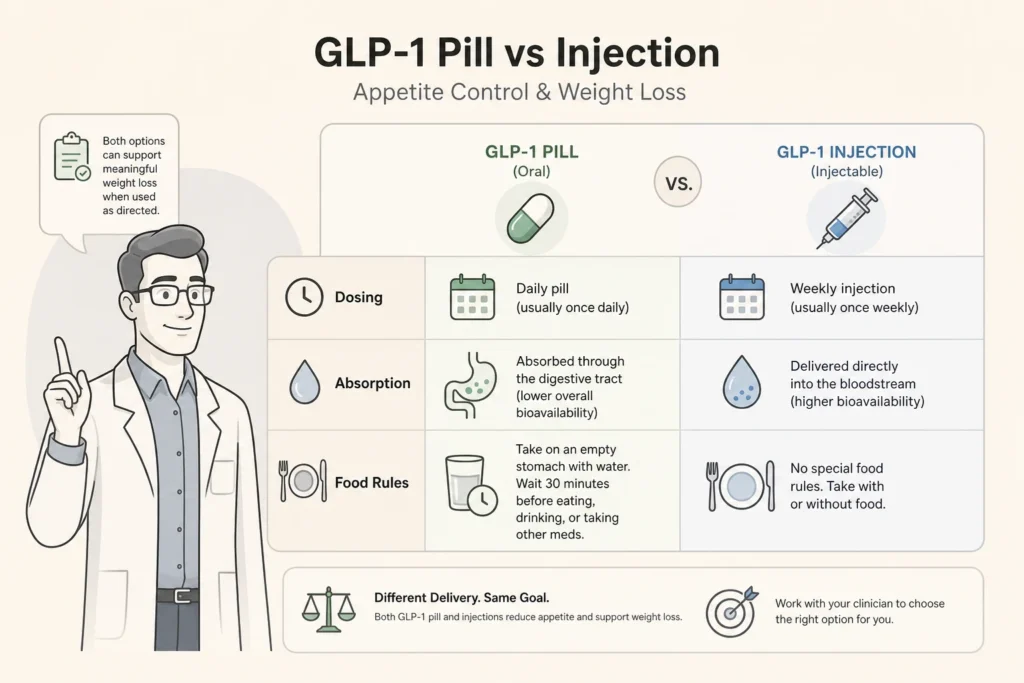
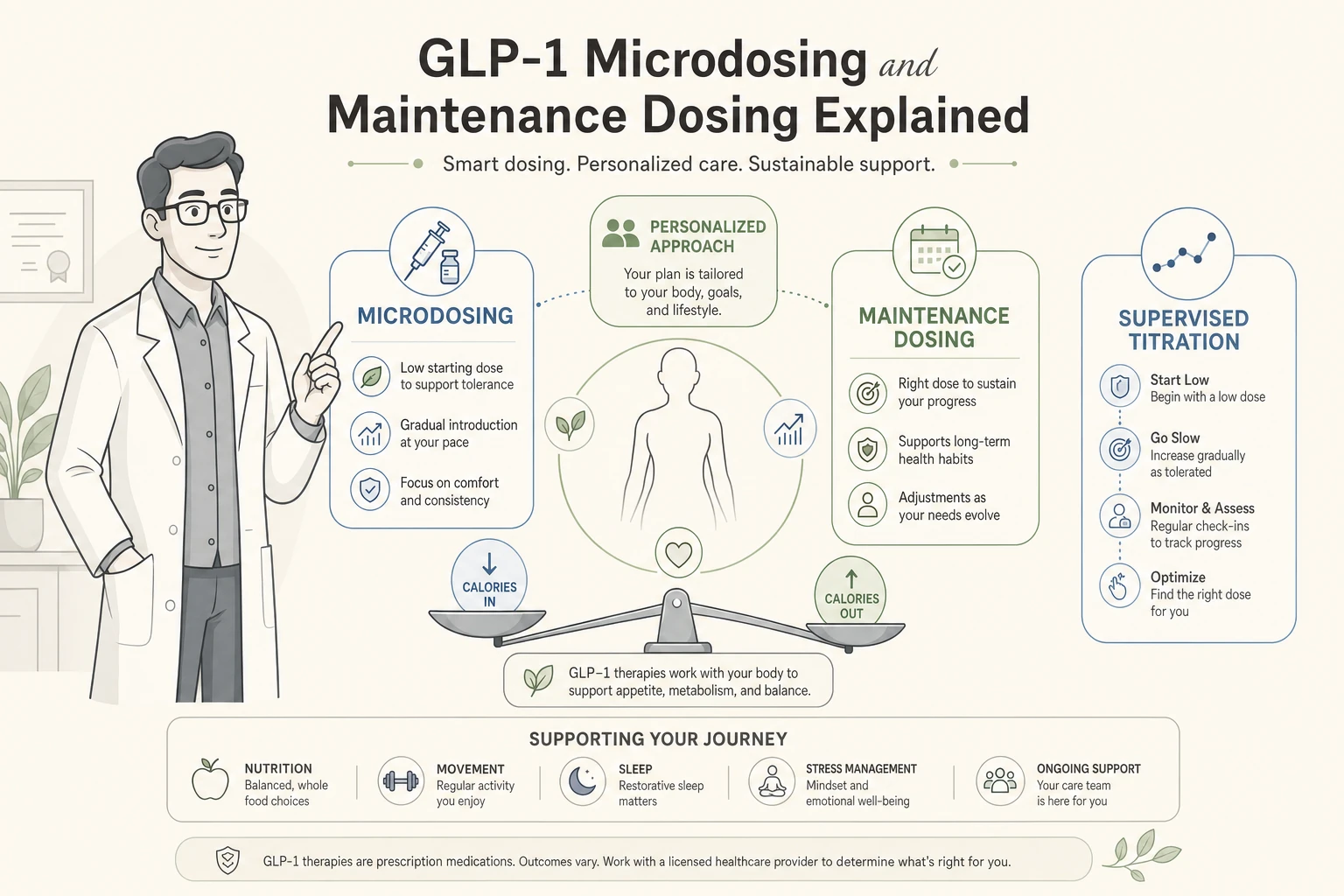
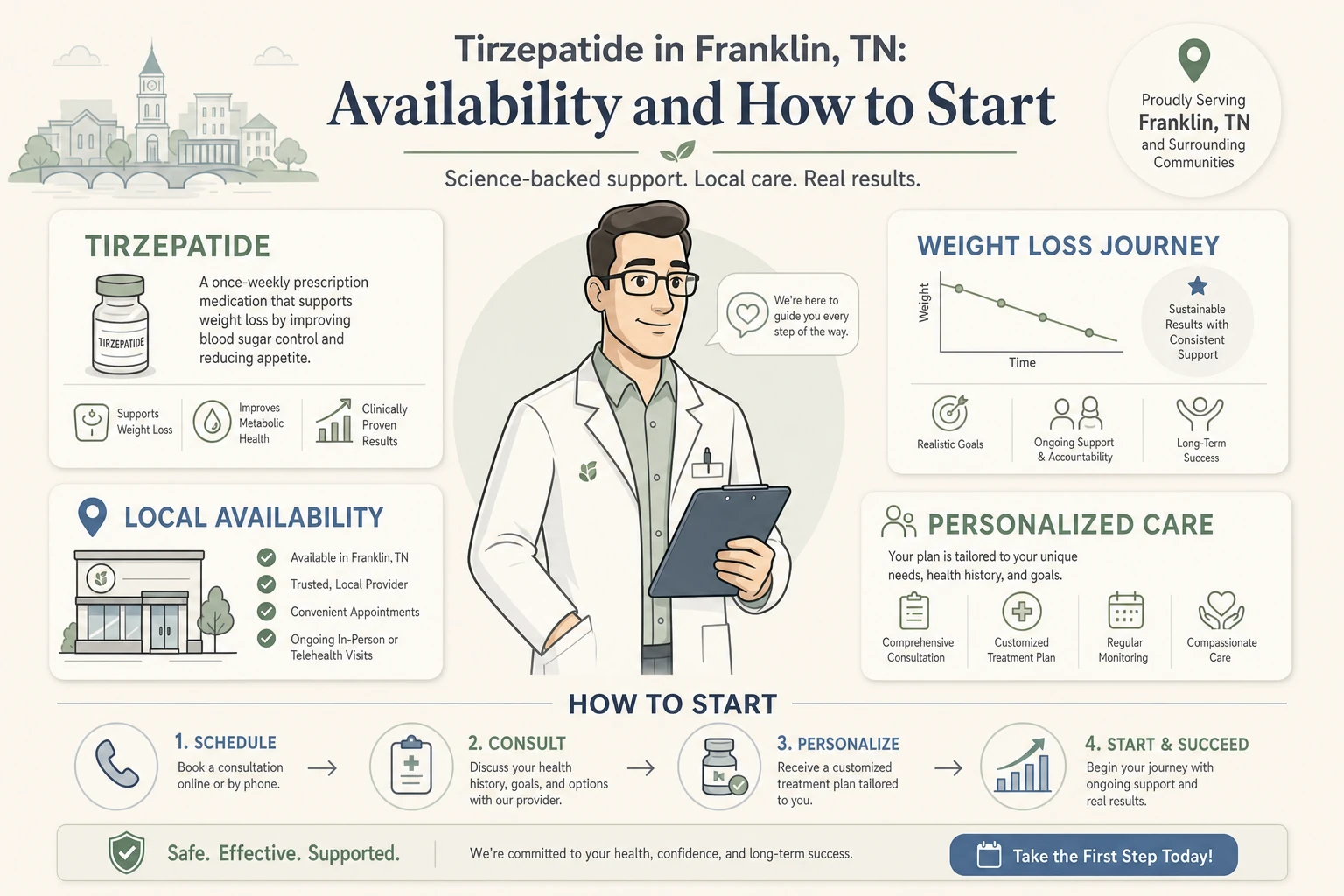
Semaglutide weight loss timeline visualization showing week-by-week and month-by-month progress

How Semaglutide Works

Before walking through the timeline, a quick note on what the medication is doing. Semaglutide is a GLP-1 receptor agonist. It mimics a gut hormone that signals the brain when you have eaten enough. The result is two complementary effects: meals satisfy you sooner, and the constant background pull toward food, what patients describe as food noise, fades.

Semaglutide also slows gastric emptying. Food sits in the stomach longer, fullness lasts longer, and the gap between meals stretches without effort. The combination is what produces the trajectory described below: appetite shifts come first, scale changes follow, and the largest cumulative loss arrives between months three and twelve.

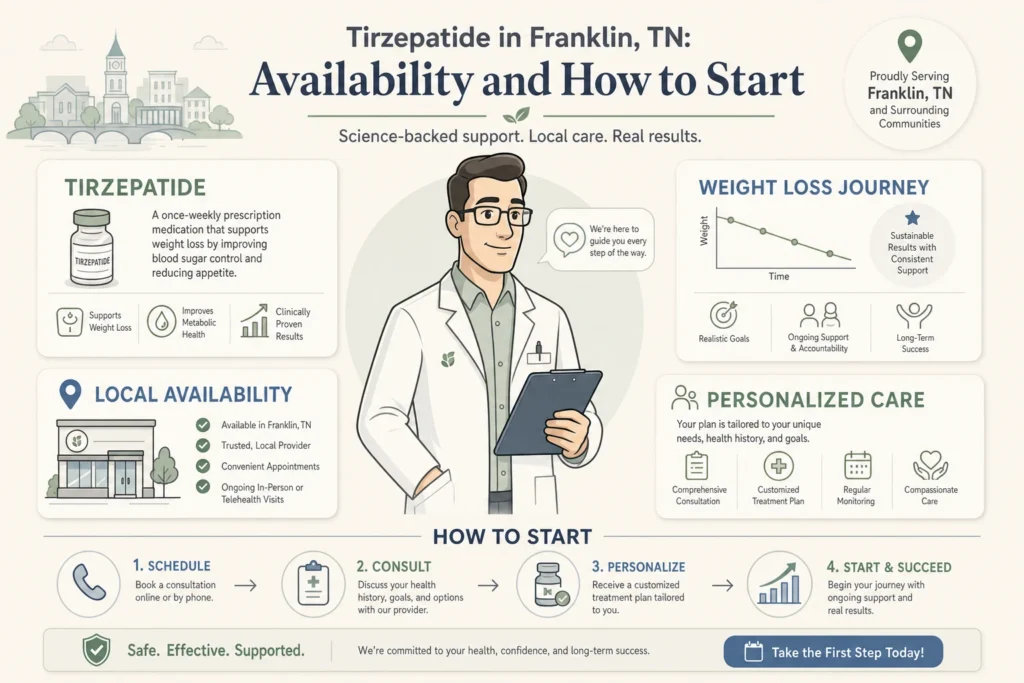
How semaglutide works in the body to naturally reduce hunger, increase satiety, and quiet intrusive food thoughts
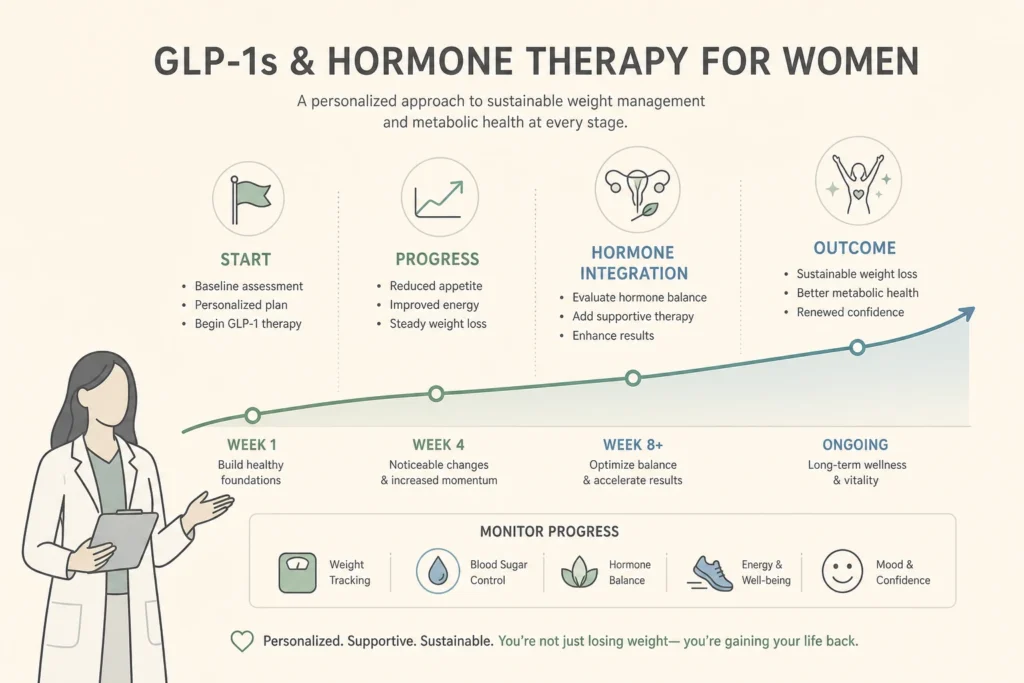
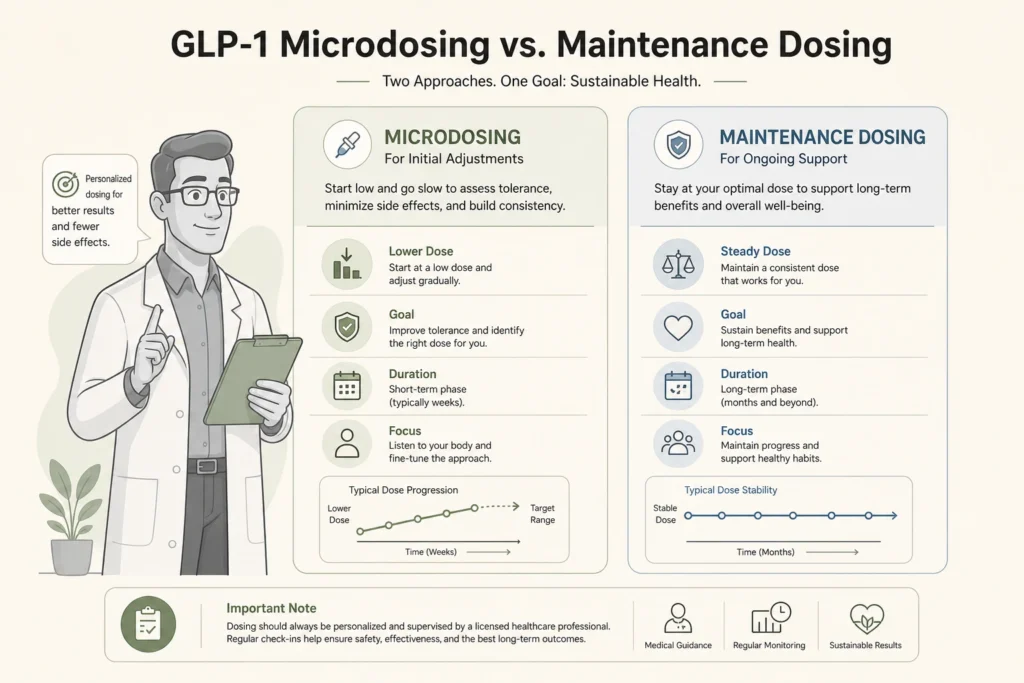
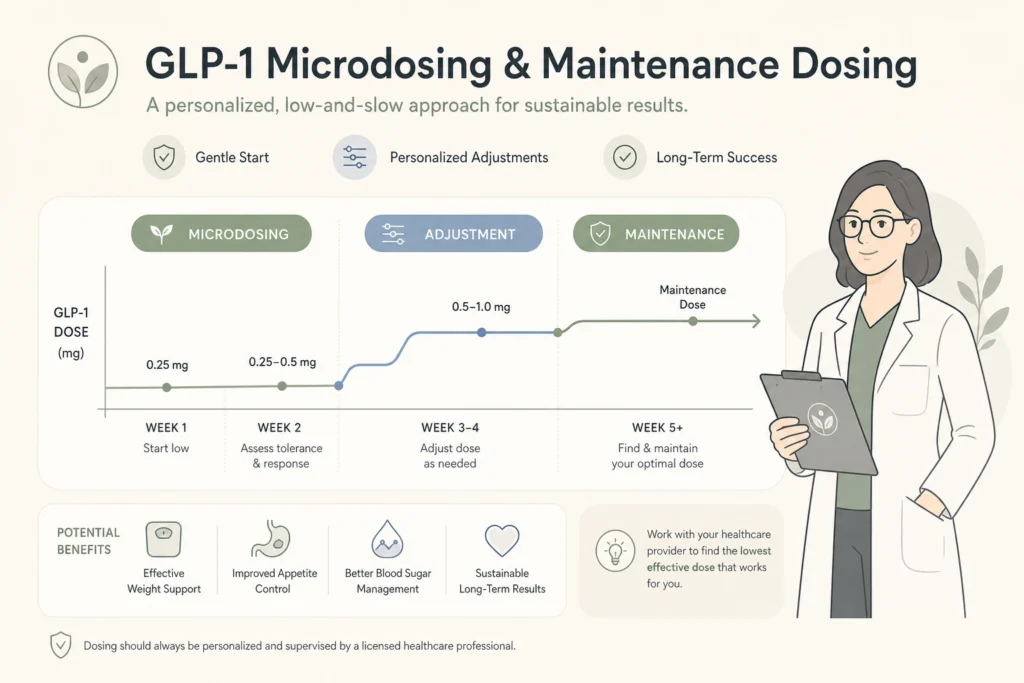
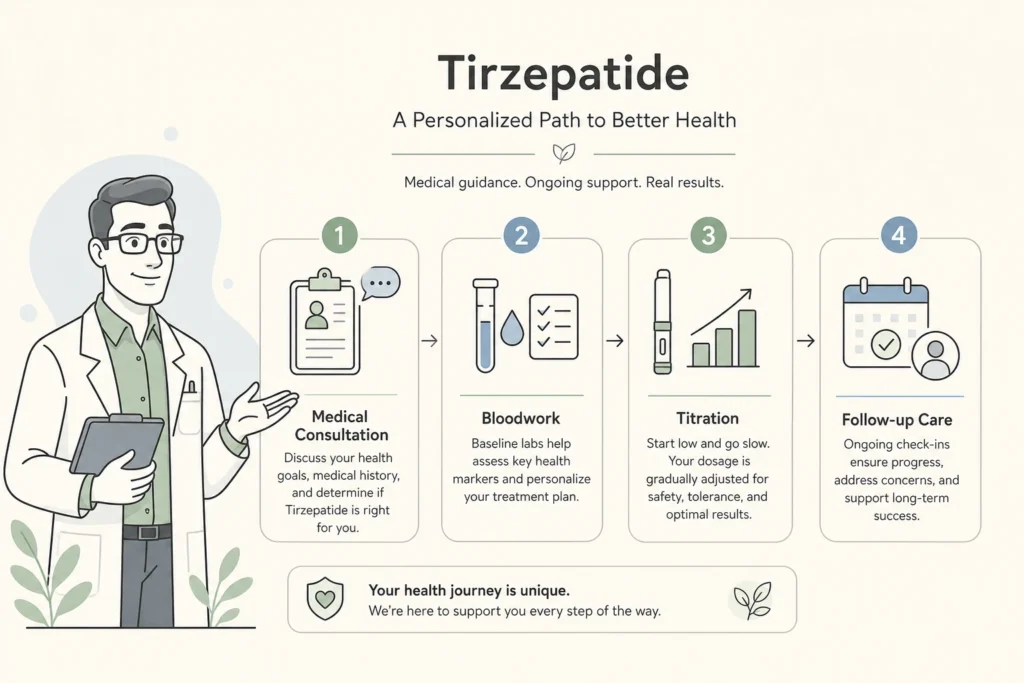
Realistic week-by-week and month-by-month weight loss journey with semaglutide based on clinical expectations

Week 1 to Week 4: The Starting Dose

The first month is a titration phase, not a weight loss phase. You start at 0.25 mg once weekly. This dose is low enough that side effects are usually mild, but it is not high enough to drive substantial weight loss for most patients. The job of weeks one through four is letting your body acclimate.

What you should notice in the first week or two is a quiet but unmistakable shift in appetite. Meals feel like they finish sooner. Snacks between meals lose their pull. The constant low-volume thinking about food that many patients describe as food noise begins to fade. Mild nausea, especially in the first one to three days after each dose, is common and usually manageable with smaller meals and avoiding high-fat foods.

Scale changes during this phase average two to four pounds for most patients. Some lose more, some lose nothing, and both are within normal range. The 0.25 mg dose is doing its job if you are tolerating it and noticing appetite changes, even if the scale has barely moved.

Weeks 5 to 8: Stepping Up to 0.5 mg

At week five, the dose typically doubles to 0.5 mg weekly. Appetite suppression deepens. The fullness signal after meals lasts longer. Patients often report that they finish dinner without finishing the plate for the first time in years. Cravings for highly processed or sweet foods often diminish further.

Weight loss begins to accelerate during this window. Cumulative loss by week eight is typically four to eight pounds, or roughly two to four percent of starting body weight. Mild side effects, especially the day after injection, are still possible but usually less intense than the initial titration step.

This is also the phase where patients begin to notice non-scale changes. Clothing fit shifts before the scale shows large drops because fat loss tends to come from the midsection first, where most patients carry the highest concentration. Waist circumference is a useful supplemental measurement during this phase.

Weeks 9 to 16: 1 mg and the First Therapeutic Dose

The dose continues to step up at four-week intervals: 1 mg at week nine, then 1.7 mg at week thirteen for most patients. This is the first time the medication is at a clearly therapeutic level for weight loss, and the rate of loss reflects that. Patients typically lose two to four pounds per month during this window, with cumulative loss reaching ten to twenty pounds by week sixteen.

Side effect intensity may bump up briefly with each dose increase and then settle. Nausea, if it occurred earlier, often returns for a few days after each step before the body adjusts. Constipation becomes more common at higher doses and benefits from increased water intake and fiber.

The visible changes during this phase are substantial. Most patients have dropped a clothing size, have visible facial slimming, and start receiving comments from people who have not seen them recently. Energy and sleep often improve. Patients who started semaglutide for a metabolic indication, like prediabetes or borderline hypertension, often see lab markers begin to move.

Weeks 17 to 20: Reaching the 2.4 mg Maintenance Dose

The full therapeutic dose for chronic weight management is 2.4 mg weekly, reached around week seventeen for most patients. This is the dose used in STEP 1, and it is where the largest sustained appetite suppression happens.

By week twenty, cumulative loss for the average patient is in the range of fifteen to twenty-five pounds, roughly eight to ten percent of starting body weight. Some patients reach this milestone faster, some slower, and the variation is normal.

Patients who reach 2.4 mg with manageable side effects are positioned for the longest part of the weight loss curve, which spans the next several months at the maintenance dose. Patients who tolerated the titration but find 2.4 mg uncomfortable can sometimes hold at 1.7 mg as a slower but still effective dose. This is a clinical decision your provider makes based on tolerance and response.

Months 6 to 12: The Steady-State Loss Phase

The second half of the first year is when the largest cumulative weight loss happens for most patients. The dose is stable. The body has adapted to the medication. Lifestyle habits built during titration are paying off. Loss continues at a rate of two to five pounds per month for most patients, though the pace gradually slows as you approach a metabolic floor.

The STEP 1 trial measured outcomes at week 68, roughly sixteen months. By that point, the average semaglutide patient had lost 14.9% of their starting body weight, compared to 2.4% in the placebo group (Wilding et al., New England Journal of Medicine, 2021). For a 220-pound patient, 14.9% works out to roughly 33 pounds. Around one-third of patients lose 20% or more of their starting weight during this window.

This phase is also where the work shifts. Resistance training matters more, because preserving muscle becomes essential as fat loss continues. Protein targets stay high. Sleep, hydration, and stress management become the variables that separate strong responders from average ones (National Institute of Diabetes and Digestive and Kidney Diseases). Body composition tracking, not just scale weight, gives you a clearer picture of what the medication is doing.

Beyond a Year: Approaching the Plateau

By month twelve, most patients are within a few pounds of where they will land on semaglutide alone. The curve flattens. The body’s set-point regulation has caught up with the medication’s appetite suppression, and weekly weight changes become small. This is not a failure of the medication. It is the natural endpoint of a treatment that lowered the body’s defended weight to a new, lower equilibrium.

Patients still have meaningful options at this point. Some continue at 2.4 mg as a long-term maintenance plan. Some work with their provider to switch to tirzepatide, which is mechanistically distinct and sometimes produces additional loss in patients who have plateaued on semaglutide. Some begin a tapering plan toward a lower maintenance dose. The decision depends on the gap between current weight and goal weight, the response so far, and individual tolerance.

What If You Are Not Losing Weight on Schedule?

About fifteen percent of patients are clinical “non-responders” to semaglutide, defined as patients who have lost less than five percent of body weight by week twelve at the therapeutic dose. Non-response is rarely about willpower. It usually reflects genetic and metabolic differences in how an individual processes GLP-1 receptor activation.

For patients whose loss is slower than expected, several adjustments are worth considering with a provider. Switching to tirzepatide sometimes produces a stronger response because it activates both GIP and GLP-1 receptors. Reviewing thyroid function, insulin sensitivity, and cortisol can identify a metabolic obstacle that the medication alone is not addressing. Reviewing actual food intake, often surprising even to careful patients, sometimes uncovers an unintentional caloric ceiling that has not really been a deficit.

A flat scale at month two is not a failure. A flat scale at month four at the therapeutic dose, with appetite reduction and lifestyle in place, is a signal that the protocol needs adjustment. That is a conversation with your provider, not a moment to abandon treatment.

Frequently Asked Questions

Appetite changes typically begin within the first three to seven days, even at the 0.25 mg starting dose. Scale changes lag behind. Most patients lose two to four pounds in the first month, with the rate accelerating as the dose increases over the next several weeks.
The average patient loses six to twelve pounds in the first three months, or roughly three to six percent of starting body weight. Patients who tolerate titration well and reach 1 mg by month three are usually toward the upper end of that range. The biggest cumulative loss happens between months three and twelve, not in the first ninety days.
One to two pounds per week during the active loss phase is a healthy and sustainable rate. Slower rates are clinically fine and often more comfortable. Faster rates increase the risk of side effects like fatigue, hair shedding, and muscle loss, and faster is not necessarily better. The total trajectory matters more than the weekly number.
Semaglutide does not stop working in the sense of losing its effect. It produces a new lower equilibrium weight, and once the body reaches that equilibrium, scale loss naturally stops. For most patients, this happens between months twelve and eighteen at the maintenance dose. The medication continues to suppress appetite indefinitely while it is being taken.
Slow scale movement in month two is common because the dose is still being titrated and your body is still adjusting. Real movement often shows up between weeks five and twelve as the dose climbs. If you are at week twelve at 1 mg or higher with no scale change and noticeable appetite reduction, it is worth a check on protein intake, hydration, and lab work rather than assuming non-response.
Most patients see the rate of loss slow significantly between months twelve and eighteen and then stabilize. Continued weight loss past eighteen months is uncommon on semaglutide alone. If your goal weight is still below your stabilization weight, options include switching to tirzepatide, intensifying lifestyle interventions, or accepting a maintenance phase at the new lower weight. Schedule a free consultation to talk through where your trajectory is heading and what the next step would be.

Medically reviewed by Dr. Donald Vollmer, MD
Managing Physician, Body Works TN

Browse Our Blog

GLP-1 Hair Loss: Why It Happens, How to Prevent It, and When It Grows Back

GLP-1 Hair Loss: Why It Happens, How to Prevent It, and When It Grows Back

April 18, 2026

Hair shedding ranks consistently among the top concerns patients raise before starting Body Works semaglutide therapy program or tirzepatide. Search volume on “does semaglutide cause hair loss” has climbed in lockstep with the medications themselves, and dermatology clinics across the country report a steady stream of questions from GLP-1 patients worried that their treatment is damaging their hair.

The honest answer is that hair shedding does happen for some patients on GLP-1 medications, but the cause is rarely the drug itself. The shedding pattern, the timing, and the resolution all match a well-described condition called telogen effluvium, which is triggered by rapid weight loss regardless of how the loss happened. Understanding the mechanism, the timeline, and the strategies that reduce the risk turns this from a frightening side effect into a manageable, often preventable, part of treatment.

This guide walks through what the clinical evidence shows, when shedding typically starts and stops, and what a physician-supervised medical weight loss program can do to reduce the risk for patients who are already worried about their hair before they start.

A clinical wellness setting representing a tirzepatide deep dive at Body Works

Why Does Hair Shedding Happen on GLP-1 Medications?

The hair on your head is in one of three phases at any given moment: anagen (growing), catagen (transitioning), or telogen (resting and shedding). On a normal day, about 85 to 90% of your hair is in anagen, and you shed roughly 50 to 100 hairs as old telogen hairs are pushed out by new anagen growth.

Telogen effluvium is what happens when a stressor pushes a much larger share of hair into the telogen phase at the same time. Two to four months after the trigger, those hairs all reach the end of telogen and shed in a synchronized wave. Patients notice clumps in the shower, increased thinning at the part line, and a temporary visible reduction in density. The condition is not permanent. New anagen hairs replace the shed ones over the following six to nine months, and the hair density typically returns to baseline (American Academy of Dermatology).

Rapid weight loss is one of the most common triggers of telogen effluvium, and this is true whether the loss comes from bariatric surgery, very-low-calorie diets, severe illness, or GLP-1 medications. The medication is not directly attacking your hair follicles. The medication is producing rapid loss, and rapid loss is what the follicles are responding to.

Infographic explaining the GLP-1 hair shedding cycle, telogen effluvium science, and prevention strategies

How Common Is Hair Loss on Semaglutide and Tirzepatide?

In the STEP 1 trial of semaglutide 2.4 mg, hair loss was reported by 3.0% of participants compared to 1.0% on placebo, a clinically modest but real difference (Wilding et al., New England Journal of Medicine, 2021). Tirzepatide trials report hair shedding at a similar single-digit rate. Real-world rates may be higher than trial rates because patients in clinical practice often lose weight faster than the average trial participant, and faster loss correlates with stronger telogen effluvium signal.

The pattern is more common in women than in men, partly because women are more likely to notice and report the change and partly because diffuse thinning is more visible in longer hairstyles. Patients with a personal or family history of any pattern of hair thinning may also experience telogen effluvium that unmasks an underlying tendency, with regrowth coming back at slightly lower density than before.

Hair shedding rates on GLP-1 medications are lower than the rates seen after bariatric surgery, where 30 to 40% of patients report some hair loss in the first year. The mechanism is the same; the magnitude is smaller because GLP-1 weight loss is typically more gradual.

When Does the Shedding Start and Stop?

Telogen effluvium does not start the day you begin medication. The shedding wave usually appears two to four months after a substantial weight loss has occurred. For most semaglutide patients, this corresponds to month four through month seven of treatment, when titration has reached the therapeutic dose and the steepest part of the weight loss curve is happening.

The shedding lasts six to twelve weeks at its peak intensity. After that, new anagen growth pushes the shedding back to baseline rates. Visible regrowth, often as short fine hairs around the hairline and part, is detectable around six months after the shed begins. Full density recovery takes nine to twelve months from the shed onset.

If shedding has not begun to subside by month nine of treatment, or if it is accompanied by other unusual symptoms like scalp pain, redness, or patchy bald spots rather than diffuse thinning, the cause is likely something other than telogen effluvium and deserves a dermatology referral. Iron deficiency, thyroid dysfunction, autoimmune conditions, and androgenetic alopecia can all coincide with treatment and may need separate workup.

How to Prevent and Reduce GLP-1 Hair Shedding

Several strategies, used together, meaningfully reduce the risk and severity of telogen effluvium during medical weight loss. None of them are exotic, and most are part of a well-built program already.

Adequate protein intake. Hair is largely keratin, a protein. Inadequate protein during a calorie deficit is a known telogen effluvium trigger independent of the medication. Most clinical guidelines recommend at least 1.2 to 1.6 grams of protein per kilogram of body weight per day during active weight loss, and on the higher end of that range for patients with hair shedding concerns. The same protein target also helps preserve muscle mass during GLP-1 treatment, which is the other reason it matters.

Iron and ferritin. Low ferritin is a common contributor to hair shedding in women, especially women of reproductive age. A baseline ferritin check is part of a thorough lab panel, and a ferritin below 50 ng/mL often warrants supplementation regardless of whether the patient is on a GLP-1.

Vitamin D, zinc, and biotin. Deficiencies in any of these can amplify shedding. A standard nutrition panel screens for them. Routine biotin supplementation in patients without a deficiency does not improve hair, despite the marketing claims.

Avoiding overly aggressive titration. Patients who push to higher doses faster than the standard schedule lose weight faster and trigger stronger telogen effluvium. Following the standard four-week titration interval, or extending it to six to eight weeks if tolerated weight loss is already brisk, reduces the magnitude of the shedding wave (FDA prescribing information for semaglutide).

Topical minoxidil, in selected patients. For patients with strong shedding or with an underlying tendency to thinning, low-strength topical minoxidil shortens the recovery time and supports the regrowth phase. This is a clinical decision that should be made with a provider, not a self-treatment.

Infographic comparing stopping a GLP-1 without a plan versus maintaining with a plan, with the biology of rebound and a maintenance roadmap

When to See a Provider About Hair Loss

Diffuse shedding that begins around month four, peaks for six to twelve weeks, and starts to taper is consistent with telogen effluvium and rarely requires intervention beyond the strategies above. Symptoms that fall outside that pattern deserve evaluation.

Bald patches rather than diffuse thinning suggest alopecia areata or another autoimmune cause. Scalp pain, burning, or redness suggests an inflammatory cause. Hair loss that worsens past month nine of treatment, or hair loss accompanied by fatigue, cold intolerance, or weight changes inconsistent with the treatment plan, suggests a thyroid or systemic cause that should be worked up. Hair loss with a clearly receding hairline rather than a diffuse part-line widening suggests androgenetic alopecia, which has its own treatment path.

None of these patterns are caused by the GLP-1 medication. They can occur during treatment by coincidence, and a provider can sort out which is which.

How Body Works Approaches Hair Concerns During Medical Weight Loss

At Body Works, the conversation about hair starts at the initial consultation. Patients with a personal or family history of hair thinning are flagged for closer attention during titration. Lab work routinely includes ferritin, vitamin D, thyroid panel, and zinc, with supplementation guidance built into the plan when any of those run low.

Protein targets are individualized rather than recommended as a generic number, and the program supports patients with practical strategies for hitting them. For patients who experience shedding mid-treatment, a slightly slower titration, focused micronutrient support, and short-term topical interventions are all on the table. The goal is to deliver the weight loss without paying an unnecessary cost in hair.

Patients are also reminded that the shedding is temporary. Hair density returns. Knowing the timeline reduces the anxiety, and the right combination of nutritional support, paced titration, and patience produces both the weight loss and the regrowth on schedule. Schedule a free consultation to talk through how a personalized plan would handle this and other side-effect concerns.

Frequently Asked Questions

No. The mechanism is telogen effluvium, a temporary shift in the hair growth cycle triggered by rapid weight loss, nutritional changes, and metabolic stress. The follicles themselves are not harmed, and hair density returns over the following six to twelve months once the shedding wave passes.
Two to four months after a substantial weight loss has occurred, which for most patients on semaglutide or tirzepatide corresponds to roughly month four through month seven of treatment. Shedding peaks for six to twelve weeks and then tapers as new growth replaces the shed hairs.
For the great majority of patients, yes. Telogen effluvium is reversible. Visible regrowth typically appears within six months of the shedding starting, and full density recovery takes nine to twelve months. Patients who continue to lose weight at a rapid pace may experience successive smaller shedding waves until the rate of loss stabilizes.
Most clinical guidelines suggest 1.2 to 1.6 grams of protein per kilogram of body weight per day during active weight loss, and on the higher end of that range for patients concerned about hair. A 150-pound patient targeting the higher end would aim for roughly 110 grams of protein per day. The same target also protects muscle mass.
Routine biotin supplementation in patients without a documented deficiency does not improve hair growth, despite the marketing. High-dose biotin can also interfere with several common lab tests including thyroid panels and troponin. Iron, vitamin D, zinc, and protein are higher-yield targets for hair support.
A more gradual rate of loss does reduce the severity of telogen effluvium. Slowing the titration schedule, holding the dose at a lower step for an extra few weeks, or accepting a moderate rather than aggressive loss rate are all reasonable strategies, particularly for patients with a strong personal or family history of hair thinning. The tradeoff is that the active phase takes longer to reach the goal weight.

Medically reviewed by Dr. Donald Vollmer, MD
Managing Physician, Body Works TN

Browse Our Blog

What Happens When You Stop Semaglutide or Tirzepatide: Rebound and Maintenance

What Happens When You Stop Semaglutide or Tirzepatide: Rebound and Maintenance

April 16, 2026

Most patients on semaglutide therapy or tirzepatide eventually ask the same two questions: how long do I need to take this, and what happens if I stop? Those questions feel different, but they are really the same conversation viewed from two angles. The answer matters because the choices you make about discontinuing or maintaining your medication shape whether your hard-won progress lasts or disappears.

Here is what the clinical research shows. Stopping a GLP-1 medication abruptly, without any maintenance plan, leads to substantial weight regain in most patients. This is not a willpower problem. It is biology. The same hormones the medication suppresses come back online when the medication leaves your system, and your appetite and fullness signals reset to where they started.

That is not the end of the story. Patients who plan their transition carefully, often with a tapered dose or a structured maintenance phase, can preserve a meaningful share of their weight loss long term. The strategy starts long before you reach your goal weight. It is built into a physician-supervised program from the beginning, and it is the difference between viewing medical weight loss as a sprint and viewing it as a long-term health intervention.

Six prevention tactics for GLP-1 hair shedding: adequate protein, iron and nutrients, supplements, gradual weight loss, patience, and medical guidance

What Happens to Your Weight When You Stop Semaglutide?

The most rigorous data on semaglutide discontinuation comes from a follow-up to the STEP 1 trial. Patients who lost an average of 17.3% of their body weight over 68 weeks on semaglutide 2.4 mg were taken off the medication and followed for one additional year. By week 120, they had regained roughly two-thirds of the weight they originally lost (Wilding et al., Diabetes, Obesity and Metabolism, 2022).

This regain pattern was not caused by patients abandoning their lifestyle changes. The trial included continued behavioral counseling. The weight came back primarily because the medication was no longer suppressing appetite, slowing gastric emptying, or amplifying satiety signals. When the drug effect ended, the underlying biology of obesity returned.

The takeaway is not that semaglutide does not work. It plainly does. The takeaway is that the medication treats a chronic condition, and most patients need a long-term strategy that does not assume a clean exit at the end of an active loss phase.

Why Does Weight Come Back? The Biology of Rebound

GLP-1 medications work through several mechanisms simultaneously. They activate GLP-1 receptors in the brain and gut, reducing hunger signals and increasing the sense of fullness after meals. They slow the rate at which food leaves the stomach, which extends satiety. They also improve insulin sensitivity and dampen the reward response to high-calorie food.

When the medication is discontinued, all four of those effects reverse on a similar timeline. Ghrelin, the hormone that drives appetite, climbs back to baseline within weeks. Gastric emptying returns to normal speed. The food-reward circuits in the brain stop being suppressed. Patients describe this as the return of food noise, an experience that becomes especially noticeable after months of relative quiet on medication.

Body weight regulation is also defended by what researchers call metabolic adaptation. After significant weight loss, the body lowers its resting metabolic rate and increases hunger signaling in an attempt to restore lost mass. This effect is documented across all weight loss interventions and is one of the reasons sustained loss is harder than initial loss (National Institute of Diabetes and Digestive and Kidney Diseases).

Infographic comparing stopping a GLP-1 without a plan versus maintaining with a plan, with the biology of rebound and a maintenance roadmap

How Tirzepatide Discontinuation Compares to Semaglutide

Tirzepatide produces larger initial weight loss than semaglutide in head-to-head clinical comparisons, but the discontinuation pattern is very similar. The SURMOUNT-4 trial randomized patients who had lost weight on tirzepatide to either continue the medication or switch to placebo. The continued group preserved their weight loss. The placebo group regained about 14% of body weight over the next year, while the continuation group lost an additional 5.5% (Aronne et al., JAMA, 2024).

The pattern is consistent across both medications: continued treatment preserves weight loss, abrupt discontinuation reverses much of it. Tirzepatide may produce a slightly slower regain trajectory than semaglutide because of its dual GIP and GLP-1 mechanism, but both drugs require a thoughtful exit plan.

For patients weighing the choice between the two medications, the regain risk is similar enough that it should not drive the decision. Choosing between semaglutide and tirzepatide turns on tolerance, response, and your provider’s clinical judgment, not on which one is easier to stop.

The Maintenance Question: How Long Should You Stay on a GLP-1?

Major medical organizations now classify obesity as a chronic disease that often requires long-term treatment, similar in framing to hypertension or type 2 diabetes. The American Medical Association formally adopted this classification in 2013, and the American Heart Association reaffirmed it in 2021. From this perspective, expecting a fixed treatment duration for obesity is like expecting a fixed treatment duration for high blood pressure. Some patients can taper or discontinue successfully. Many cannot, and that is a clinical reality, not a failure of effort.

In practice, patients fall into a few patterns. Some stay on a maintenance dose indefinitely. Some taper to a lower dose and stay there. Some complete an active loss phase, transition off the medication entirely, and rely on intensified lifestyle support to hold their weight. The right path depends on your starting weight, your goal weight, your metabolic profile, your response during the active phase, and your tolerance for the medication.

What rarely works is choosing a duration in advance based on a target weight alone. Patients who set themselves a hard stop at month 6 or month 12 and then discontinue without a maintenance plan see the regain pattern described above. Setting the duration question aside until later in treatment, and revisiting it with your provider as data accumulates, leads to better outcomes.

Tapering Versus Stopping Cold Turkey

Tapering means gradually reducing the dose over weeks or months, often to a lower maintenance dose, rather than stopping at the therapeutic dose abruptly. Cold-turkey discontinuation is the pattern that produces the regain numbers from STEP 1 and SURMOUNT-4.

A typical tapering protocol might step a patient down from 2.4 mg semaglutide to 1.7 mg, then 1 mg, then 0.5 mg over three to six months, observing weight stability at each step. Some patients hold at 0.5 mg as a long-term maintenance dose. Others continue down and eventually discontinue, with the lifestyle scaffolding strong enough to hold the weight.

The clinical judgment about when and how to taper involves more than the scale. Body composition, lab work, hunger and satiety self-reports, and lifestyle adherence all factor in. This is where physician supervision earns its keep. A retail subscription model that ships the same dose every month does not have the structure to support a thoughtful taper.

How semaglutide works in the body to naturally reduce hunger, increase satiety, and quiet intrusive food thoughts

What a Physician-Supervised Maintenance Plan Looks Like

At Body Works, the maintenance question is part of the conversation from your first consultation, not something raised at the end. The active loss phase, typically four to six months, sets the framework for what comes next. Lab work establishes a baseline and tracks metabolic markers. Body composition measurements separate fat loss from muscle loss, which matters because preserving muscle on GLP-1 medications is one of the strongest predictors of weight stability after the active phase.

As patients approach a target weight, the plan transitions. Visits often shift from monthly to every six to eight weeks. Doses are reviewed and adjusted. Nutritional guidance moves from caloric deficit to maintenance, and resistance training becomes more central. For some patients, the maintenance phase is permanent. For others, it is a stepping stone toward eventual discontinuation. Either path is legitimate, and the path that fits you is the one your data and your provider agree on.

The decision points and red flags worth tracking are listed in our guide to what to ask before signing up for medical weight loss. If a clinic does not discuss what happens after you reach your goal during the initial consultation, that is itself a signal about how the program is built.

Signs You May Be Ready to Reduce or Discontinue

There is no single test that says you are ready to taper. A combination of factors usually points in the right direction. Stable weight for at least three months at the maintenance dose. Lab markers that have moved into healthy ranges and stayed there. Established habits around protein intake, resistance training, sleep, and stress management. A realistic understanding that taper attempts sometimes fail and that returning to a maintenance dose is not a setback.

Patients who try to taper without those foundations typically regain. Patients who try to taper with those foundations sometimes still regain, and that is also useful information. A failed taper attempt is not a failure of the patient. It is data that says the body is still defending a higher set point and that ongoing medication is likely the right long-term strategy for that individual.

Frequently Asked Questions

There is no single right answer. Some patients stay on semaglutide for 12 to 18 months and then taper. Others stay indefinitely on a maintenance dose. The data suggests that most patients who stop entirely without a structured plan regain a significant share of their weight, so duration decisions should be made with a provider based on your individual metabolic response, not on a target month set in advance.
Most patients regain a meaningful share of lost weight after stopping abruptly, but rarely all of it. The STEP 1 extension trial showed roughly two-thirds of original weight loss returned by one year off semaglutide. Tirzepatide shows a similar pattern in SURMOUNT-4. A structured taper, continued resistance training, and a maintenance-focused nutrition plan can preserve a larger share of the loss, though preserving all of it without medication is difficult for most patients.
Tapering means stepping the dose down over weeks or months, often to a lower maintenance dose, with weight monitored at each step. Cold-turkey discontinuation means stopping at the full therapeutic dose. Cold-turkey discontinuation is the pattern most studied in trials, and it is the pattern that produces the largest regain. Tapering is the standard physician-led approach because it gives the body time to adjust and gives the provider information at each step.
Cycling, where patients deliberately stop and restart, is not a clinically endorsed protocol. Each restart involves dose titration and the side effects that come with it, and the on-off pattern produces weight fluctuations that may be metabolically harmful. A continuous maintenance dose, even a low one, is generally safer and more effective than repeated cycles.
Muscle change after stopping depends mostly on what you do during and after the medication. Patients who maintained adequate protein intake and resistance training during the active phase are better positioned to hold lean mass through a transition. Patients who did not are at higher risk of regaining weight as fat rather than rebuilding muscle. This is one of the reasons body composition tracking, not just scale weight, matters during a maintenance phase.
Several pathways exist depending on the medication and the dose. Manufacturer self-pay programs, lower maintenance doses, and certain compounded options can reduce monthly cost. The right approach is individualized and is part of the maintenance conversation a physician-supervised program should be having with you well before the active loss phase ends. Schedule a free consultation to discuss what a long-term plan would look like for your situation.

Medically reviewed by Dr. Donald Vollmer, MD
Managing Physician, Body Works TN

Browse Our Blog

Who Is a Good Candidate for Semaglutide? A Complete Guide

Who Is a Good Candidate for Semaglutide? A Complete Guide

April 13, 2026

Patient reviewing candidacy requirements for <a href=semaglutide therapy at Body Works weight loss treatment at a medical consultation” />

If you have been struggling to lose weight despite trying diet after diet, you are not alone. For many people in Franklin, TN, Nolensville, TN, and across Middle Tennessee, traditional weight loss methods simply do not deliver the results they need. The CDC Adult Obesity Facts estimate that roughly 40% of U.S. adults meet clinical criteria for obesity, which helps explain why semaglutide has emerged as a powerful option for those who qualify, helping patients achieve significant, sustainable weight loss when other approaches have fallen short.

But semaglutide is not right for everyone. Understanding whether you are a good candidate requires looking at several factors beyond just the number on the scale. At Body Works, we believe in personalized care that considers your complete health picture, not just a single metric. Here is what the FDA guidelines, clinical research, and real-world practice say about who benefits most from semaglutide treatment.

How Does Semaglutide Work for Weight Loss?

Semaglutide belongs to a class of medications called GLP-1 receptor agonists. GLP-1 (glucagon-like peptide-1) is a hormone your body naturally produces to regulate blood sugar and appetite. Semaglutide mimics this hormone, helping you feel fuller faster and stay satisfied longer after meals. It acts on receptors in the brain that control hunger, slows gastric emptying so food stays in your stomach longer, improves insulin response, and reduces the constant mental chatter about food that many patients describe as food noise.

Diagram showing how semaglutide acts on the brain and stomach to reduce hunger and improve metabolic health

The clinical results are significant. In the landmark STEP 1 trial (Wilding et al., New England Journal of Medicine, 2021), half of participants taking semaglutide 2.4 mg lost 15% of their body weight over 68 weeks, and nearly one-third lost 20% or more. Participants making lifestyle changes alone lost only 2.4%. Semaglutide works best when combined with healthy eating habits and regular physical activity: the medication controls appetite, but lasting success comes from building sustainable lifestyle changes alongside treatment. If you want the full mechanism, see our primer on how GLP-1 medications work.

What BMI Qualifies You for Semaglutide?

The FDA approved semaglutide 2.4 mg for chronic weight management in adults who meet one of two criteria: a BMI of 30 or higher (classified as obesity) or a BMI of 27 to 29.9 with at least one weight-related health condition. Your Body Mass Index is calculated from your height and weight, and it serves as the primary starting point for determining candidacy.

Chart showing BMI thresholds of 30 and 27 that qualify adults for semaglutide weight loss treatment

To put this in perspective, for someone who is 5’6″ tall, a BMI of 30 equals approximately 186 pounds. A BMI of 27 for the same height equals approximately 167 pounds. A 5’10” adult weighing 195 pounds has a BMI of 28, which qualifies if they also have a weight-related condition. At Body Works, we view BMI as a helpful screening tool, not the final word on your candidacy. Some people with higher muscle mass may have an elevated BMI without excess body fat. Others may have a “normal” BMI but still struggle with metabolic health issues related to weight. That is why we conduct comprehensive evaluations that look beyond this single number.

Weight-Related Conditions That Make You Eligible

If your BMI falls between 27 and 29.9, having certain health conditions may still make you eligible for semaglutide. These conditions, known as comorbidities, are health problems that can be caused or worsened by excess weight. Common qualifying comorbidities include:

  • Type 2 diabetes: Semaglutide was originally developed to help manage blood sugar, so it offers dual benefits for patients with diabetes
  • High blood pressure: Excess weight often contributes to elevated blood pressure, which increases heart disease and stroke risk
  • High cholesterol (dyslipidemia): Abnormal cholesterol levels frequently accompany obesity
  • Heart disease: Cardiovascular conditions often improve with weight loss
  • Obstructive sleep apnea: This breathing disorder during sleep commonly resolves or improves with significant weight reduction
  • Non-alcoholic fatty liver disease (NAFLD): Fat accumulation in the liver affects many people with obesity
  • PCOS (polycystic ovary syndrome): Women with this hormonal condition often struggle with weight management

The connection between these conditions and weight creates a cycle that is difficult to break through lifestyle changes alone. Semaglutide interrupts the cycle by enabling meaningful weight loss, which often leads to improvement in the related health issues themselves.

Who Should Not Take Semaglutide?

While many people qualify for semaglutide, certain medical conditions make this medication unsafe. During your consultation at Body Works, your provider reviews your complete medical history to ensure semaglutide is appropriate for you. You should not take semaglutide if you have any of the following:

List of medical conditions that disqualify patients from safely taking semaglutide for weight loss

  • Personal or family history of medullary thyroid carcinoma (MTC): This rare thyroid cancer has been observed in animal studies with GLP-1 medications
  • Multiple Endocrine Neoplasia syndrome type 2 (MEN 2): This inherited condition causes tumors in hormone-producing glands
  • History of pancreatitis: Previous inflammation of the pancreas increases risk with this medication
  • Gallbladder disease: Semaglutide may increase the risk of gallbladder problems
  • Gastroparesis: This condition causes delayed stomach emptying, which semaglutide can worsen
  • Pregnancy or breastfeeding: Effects on unborn babies and infants are not fully understood
  • Type 1 diabetes: Semaglutide is not indicated for this condition
  • Allergies to semaglutide ingredients: Any known hypersensitivity to the medication or its components

Be sure to tell your provider about all medications and supplements you take. Semaglutide can interact with certain antibiotics, retinoids, cortisone products, and other drugs. Full disclosure helps us ensure your safety throughout treatment.

The Body Works Candidate Evaluation Process

Determining whether semaglutide is right for you requires more than checking boxes on a form. The National Institute of Diabetes and Digestive and Kidney Diseases stresses that weight management medications should be prescribed only after a comprehensive medical evaluation that rules out contraindications and identifies the patient most likely to benefit. Body Works Nurse Practitioners and Registered Nurses conduct thorough evaluations that consider your unique health situation, lifestyle, and goals. Here is what to expect during your consultation at either the Franklin or Nolensville location.

Six step semaglutide candidate evaluation process at Body Works covering history, exam, labs, and treatment plan

Step 1: Comprehensive medical history review. We discuss your weight loss journey, previous attempts, medical conditions, family history, and current medications. This conversation helps us identify any potential contraindications.

Step 2: Physical examination and vital signs. Your provider checks your blood pressure, heart rate, and other vitals, and looks for any physical signs that might affect your treatment plan.

Step 3: Body composition analysis. Beyond BMI, we assess your body composition to understand your muscle mass, body fat percentage, and metabolic health markers.

Step 4: Laboratory testing. Blood work evaluates your blood sugar, cholesterol, liver function, kidney function, and thyroid health. These results ensure semaglutide is safe for you and help track your progress.

Step 5: Discussion of goals and lifestyle. We want to understand your weight loss goals, eating habits, activity level, and any challenges you have faced. This helps us create a realistic, personalized plan.

Step 6: Personalized treatment recommendation. Based on all this information, your provider recommends whether semaglutide is appropriate or if another approach might serve you better. Our approach is judgment-free and supportive, and we have helped hundreds of Middle Tennessee residents achieve lasting weight loss.

What If You Are Not a Candidate for Semaglutide?

If the evaluation determines that semaglutide is not the right choice for you, that does not end the conversation. Body Works offers multiple pathways to help you reach your health and weight loss goals, and sometimes the right answer is a different medication or a different approach entirely.

Alternatives include tirzepatide (a dual GLP-1/GIP receptor agonist that may be appropriate if semaglutide is contraindicated), other FDA-approved appetite suppressants, nutritional counseling with personalized meal planning, IV therapy for metabolism support, and hormone optimization if testing reveals imbalances affecting your weight. Sometimes health conditions change, and a person who does not qualify today may become a candidate in the future. We maintain ongoing relationships with our patients and can re-evaluate your eligibility as your health evolves. Schedule a Free Consultation at either the Franklin or Nolensville location to start the conversation and find out which path fits your situation.

Frequently Asked Questions

The simplest answer is that you need a BMI of 30 or higher, or a BMI of 27 or higher with at least one weight-related health condition, and no contraindications like a personal or family history of medullary thyroid cancer, pancreatitis, or pregnancy. A full medical evaluation by a licensed provider is the only way to confirm candidacy. At Body Works, the initial consultation is free and includes a comprehensive assessment.
FDA criteria require a BMI of 30 or greater, or a BMI of 27 to 29.9 with at least one weight-related comorbidity such as type 2 diabetes, hypertension, high cholesterol, heart disease, obstructive sleep apnea, NAFLD, or PCOS. Your provider also reviews your medical history and current medications to confirm there are no safety concerns before prescribing.
People with a personal or family history of medullary thyroid carcinoma, Multiple Endocrine Neoplasia syndrome type 2, pancreatitis, severe gallbladder disease, gastroparesis, type 1 diabetes, or known allergies to semaglutide should not take this medication. Pregnancy and breastfeeding are also contraindications. Your provider reviews all these factors during the initial evaluation.
Under current FDA guidance, a BMI of 26 does not meet the threshold for semaglutide weight loss treatment on its own. The minimum is 27 with a weight-related health condition, or 30 without one. Your provider may discuss alternative approaches such as nutritional counseling, lifestyle coaching, or other treatments that might be more appropriate for your situation.
Semaglutide is not FDA-approved for weight loss in people who are not overweight or obese. Using it outside the approved indications is considered off-label and is not something a responsible medical provider recommends. If you are at a healthy weight but have other concerns about appetite, metabolism, or body composition, your provider can discuss alternative approaches during your consultation.
In most cases, candidacy is determined during your initial consultation. If lab work is needed, results are typically available within a few days. Once your provider confirms eligibility and reviews the results, you can begin treatment shortly after. Body Works also schedules follow-up visits to monitor your response and adjust dosing as needed during the first months of treatment. Schedule a Free Consultation at Body Works in Franklin or Nolensville to find out if you are a candidate for semaglutide. Medically reviewed by Dr. Donald Vollmer, MD, Managing Physician, Body Works TN

Medically reviewed by Dr. Donald Vollmer, MD
Managing Physician, Body Works TN

Browse Our Blog

Your First Medical Weight Loss Appointment: What to Expect at Body Works

Your First Medical Weight Loss Appointment: What to Expect at Body Works

April 12, 2026

Welcoming Body Works clinic interior representing a first medical weight loss appointment

Walking into a weight loss clinic for the first time stirs up a specific kind of anxiety. You have already tried diets, gyms, maybe even apps that track every bite. None of it stuck. Now you are considering something more serious, and that means letting a medical professional see the full picture. The number on the scale. Your history of attempts. The habits you would rather not discuss.

That vulnerability is real. It is also normal. At Body Works in Franklin, TN and Nolensville, TN, we see patients arrive nervous every day. They worry about judgment. They worry we will hand them a generic meal plan and send them home. They worry this will be like every other failed attempt. This guide replaces that anxiety with clarity: exactly what happens during your first medical weight loss appointment, from the moment you walk through the door to the plan you leave with.

Why Most People Feel Nervous Before Their First Visit

Most people feel some combination of dread and hope before their first appointment. Dread because stepping on a scale in front of a stranger exposes something private. Hope because maybe this time will be different. Both feelings are valid. Both are common. Body Works runs a physician-supervised semaglutide weight loss program at both the Franklin and Nolensville locations, and the steps below apply to both intake paths.

The CDC Adult Obesity Facts estimate that roughly 40% of U.S. adults meet clinical criteria for obesity, which means stepping into a weight loss clinic places you among tens of millions of Americans addressing the same health challenge. The truth is, medical weight loss is not about shame or willpower lectures. It is about identifying why your body has resisted weight loss and addressing those factors directly. Sometimes that means hormonal imbalances. Sometimes it means metabolic issues. Sometimes it means medications you are already taking that work against your goals. None of these are moral failings, they are biological realities that respond to medical intervention.

Private consultation room designed for comfortable one-on-one discussion of health goals

Our first job at Body Works is listening. We want to understand what you have tried, what worked temporarily, and what frustrated you. That conversation happens in a private, comfortable setting with licensed Nurse Practitioners and Registered Nurses who have guided hundreds of patients through this exact process. There is no sales pitch, no lecture, only an assessment of where you are and a discussion of where you want to go.

How Should You Prepare Before You Arrive?

Preparation helps, but perfection is not required. You do not need to lose ten pounds before your appointment. You do not need to memorize nutrition facts or organize a food diary spanning three months. Showing up exactly as you are is enough. That said, a few items make the visit more productive:

  • A list of current medications including dosages and prescribing doctors. This includes supplements and over-the-counter items you take regularly.
  • Recent lab results if you have had bloodwork in the past six months. These are helpful but not mandatory. We can order whatever tests you need.
  • Notes about your eating patterns, activity level, sleep schedule, and stress levels. You do not need a formal journal; a general sense of your daily routine helps us understand your starting point.

If we send you intake forms before your appointment, completing them early saves time. If not, arriving 15 minutes early gives you space to fill everything out without rushing. You do not need a referral to schedule with us. Your first consultation is free at either location.

What Happens Step by Step at Your First Appointment?

The entire visit takes about 45 minutes to an hour. Here is how that time breaks down.

Step by step flow of a first medical weight loss appointment from check in through treatment plan

Check-in and paperwork. If you completed forms ahead of time, check-in takes a few minutes. If not, you will fill out a health history covering your medical conditions, previous weight loss attempts, family history, and current concerns. Our front desk team handles this efficiently and privately.

One-on-one consultation with your provider. This is the heart of the appointment. You will sit down with a licensed Nurse Practitioner or Registered Nurse who reviews your complete health picture. Expect questions about your weight history and previous attempts, current medical conditions such as diabetes, thyroid issues, sleep apnea, or high blood pressure, medications you are taking (some contribute to weight gain), and your daily habits: what you typically eat, how often you move, your sleep quality, and your stress levels. You will also discuss your specific goals, both the number on the scale and how you want to feel. This conversation is thorough because your treatment plan needs to account for your whole life, not just your BMI.

Physical measurements. We record your weight, height, and BMI. We check blood pressure and heart rate. Many patients also receive a body composition analysis that distinguishes fat mass from lean muscle mass. This matters because losing 10 pounds of fat while gaining 3 pounds of muscle represents real metabolic progress, even though a standard scale would only show 7 pounds lost.

Lab Work Discussion

Depending on your health history and recent testing, we may order labs. Common tests include metabolic panels, thyroid function tests, lipid panels, and HbA1c for blood sugar regulation. These tests reveal underlying factors like hypothyroidism or insulin resistance that can sabotage weight loss despite genuine dietary efforts. If you brought recent labs, we review them during your visit. If not, we schedule what you need.

Treatment plan conversation. Once we understand your health profile, we discuss options: GLP-1 medications like semaglutide and tirzepatide, FDA-approved appetite suppressants for appropriate candidates, lipotropic injections with B12 and MIC nutrients, nutritional counseling tailored to your lifestyle, and hormone therapy if testing reveals imbalances. Patients prescribed semaglutide can expect outcomes in the range documented by the STEP 1 trial (Wilding et al., NEJM, 2021), which reported an average 14.9% body weight loss over 68 weeks. We explain how each option works, realistic timelines, potential side effects, and whether you are a good candidate. Not everyone needs medication. Not everyone qualifies for specific medications. According to the National Institute of Diabetes and Digestive and Kidney Diseases, patients using weight management medications lose 3 to 12% more of their starting body weight than those relying on lifestyle changes alone. Your plan is built around your body, your goals, and your comfort level.

What Makes Body Works Different from Other Clinics?

Plenty of places offer weight loss programs. Urgent care clinics, online-only services, and high-volume centers exist throughout Middle Tennessee. Here is what sets Body Works apart.

Boutique medical practice setting with personalized care rather than high volume conveyor belt model

Body Works is a boutique medical practice, not a conveyor belt. You see the same providers throughout your journey. They remember your name, your history, and your specific challenges. There is no rotating cast of staff reading from a script.

Your care is medically licensed and supervised. Your program is directed by licensed Nurse Practitioners and Registered Nurses under owner Justin Williams. This is medical care, not a supplement shop or a coaching program pretending to be healthcare.

Body Works addresses the full picture under one roof. Weight gain often connects to other issues: hormonal imbalances, low energy, dehydration, stress. At Body Works, you can access IV therapy, hormone replacement therapy, peptide therapy, and aesthetic services alongside your weight loss program. No driving between three different clinics.

Two convenient locations serve Middle Tennessee. The Franklin and Nolensville offices serve patients throughout the area, and both locations offer the same comprehensive services and personalized approach.

What Happens After Your First Appointment?

You will not walk out with a generic meal plan and a wish for good luck. You will leave with a specific next step: starting medication, scheduling lab work, or beginning nutritional counseling.

Ongoing follow up care and check ins showing continuation of treatment beyond the first visit

If we ordered labs, we contact you with results and any needed adjustments to your plan. If you started medication, we check in during your first week to see how you are tolerating it. Side effects like mild nausea are common and manageable, but we want to hear about them so we can help. Our team follows established best practices for GLP-1 injection success to help patients navigate the early weeks.

Your first follow-up is typically scheduled about 4 weeks after your initial visit. At that appointment, we assess your response, review any side effects, and prepare you for your next phase. Some patients need weekly check-ins initially; others do well with monthly visits. The schedule adapts to your needs. Between appointments, you have direct access to the team. Questions about your medication, struggles with meal planning, or concerns about progress are all valid reasons to reach out.

Getting Started in Franklin or Nolensville

The hardest part of medical weight loss is almost always taking the first step. Walking through that door requires admitting that what you have tried before has not worked, and that is uncomfortable. But it is also the moment everything can change.

The Franklin location sits in downtown Franklin and serves patients throughout Williamson County. The Nolensville location provides easier access for patients south of Nashville. Both offices deliver the same medical weight loss services, the same physician-supervised care, and the same free consultation model, so the right location is whichever is more convenient for your schedule.

Your first consultation at Body Works is free. There is no obligation, no pressure, and no judgment, just a conversation about your health and whether our approach fits your needs. Schedule a Free Consultation at either the Franklin or Nolensville location. Bring your questions, your concerns, and your goals. We will handle the rest.

Frequently Asked Questions

Plan for 45 minutes to an hour for your first visit. This includes check-in, your one-on-one consultation with a licensed provider, physical measurements, lab work discussion, and treatment planning. Follow-up appointments are typically shorter, around 30 minutes.
Bring a photo ID, a list of current medications with dosages, and any recent lab results from the past six months. Also come prepared to discuss your eating habits, activity level, sleep patterns, and weight loss goals. A support person is welcome if that makes you more comfortable. There is no need to prepare a detailed food diary in advance.
It depends on your individual situation. Some patients start medication the same day after a review of their health history and goals. Others may need lab work first or additional evaluation. Either way, you will leave your first visit knowing exactly what your timeline looks like and what comes next in your personalized plan.
No referral is needed. Your first consultation at Body Works is free, and you can schedule directly at either the Franklin or Nolensville location. You can book online through our consultation page or call us to set up a time that fits your schedule.
Most of our patients have tried multiple diets or programs before finding us. Previous attempts are not failures, they are data points that help us understand what approaches do not work for your body. Medical weight loss addresses biological factors like hormones and metabolism that commercial programs often miss entirely.
Yes. The first consultation at Body Works is genuinely free, and there is no obligation to begin any treatment. Many patients schedule a consultation just to learn whether medical weight loss is right for them before making any decisions. You can leave with information only if that is what you prefer. Schedule a Free Consultation at Body Works in Franklin or Nolensville to take the first step toward medical weight loss. Medically reviewed by Dr. Donald Vollmer, MD, Managing Physician, Body Works TN

Medically reviewed by Dr. Donald Vollmer, MD
Managing Physician, Body Works TN

Browse Our Blog

Medical Weight Loss in Franklin and Nolensville, TN: Getting Started

Medical Weight Loss in Franklin and Nolensville, TN: Getting Started

April 11, 2026

Downtown Franklin Tennessee with medical weight loss consultation concept representing physician-supervised treatment If you are searching for a semaglutide clinic in Franklin TN, the rest of this guide explains exactly what to expect, who qualifies, and how to start.

You have tried the diets. You have joined the gyms. You have counted calories until your head spun. Yet the scale barely moved, or the weight came right back. If this sounds familiar, you are not alone, and you are not doing anything wrong. Sometimes biology works against us in ways that willpower alone cannot overcome. The CDC Adult Obesity Facts estimate that roughly 40% of U.S. adults meet clinical criteria for obesity, a biological condition that responds best to medical rather than willpower-based interventions.

This is where medical weight loss comes in. Unlike DIY approaches, physician-supervised programs use evidence-based treatments to address the hormonal and metabolic factors that make weight loss difficult. At Body Works in Franklin, TN and Nolensville, TN, we help patients navigate medical weight loss from the first consultation through long-term maintenance. Here is what to expect if you are considering getting started in Middle Tennessee.

What Is Medical Weight Loss and Who Is It For?

Medical weight loss refers to physician-supervised programs that go beyond “eat less, move more.” These programs address the biological barriers to weight loss: hormones, metabolism, appetite regulation, and underlying health conditions that make traditional dieting feel impossible. Licensed practitioners monitor your health, adjust treatments based on how your body responds, and provide accountability that apps and diet books cannot match.

Most programs require a BMI of 30 or higher, or a BMI of 27 with weight-related conditions such as high blood pressure, type 2 diabetes, high cholesterol, PCOS, or sleep apnea. BMI is not the whole story, though. Medical weight loss also benefits people who have struggled with traditional diets, experienced stubborn weight gain from aging or hormonal changes, need to lose weight before a surgical procedure, or simply want professional guidance to break the cycle of yo-yo dieting.

Medical provider reviewing weight loss plan with a patient in a clinical setting

The key difference from DIY approaches is supervision. Your provider evaluates your health profile, designs a plan around your specific metabolic picture, and adjusts as you progress. Dieting alone tries to override biology with willpower. Medical weight loss works with your biology through targeted interventions.

Treatment Options at Franklin and Nolensville Weight Loss Clinics

Today’s medical weight loss clinics offer several approaches. The National Institute of Diabetes and Digestive and Kidney Diseases reports that patients using weight management medications lose 3 to 12% more of their starting body weight than those relying on lifestyle changes alone. Understanding these options helps you have an informed conversation with your provider and set realistic expectations about what treatment will look like.

FDA-approved GLP-1 medications are the current standard. GLP-1 receptor agonists mimic a natural hormone that regulates appetite, slows gastric emptying, and reduces cravings at the neurological level. The two main options are semaglutide, a once-weekly injection that produced an average 14.9% body weight loss over 68 weeks in the STEP 1 trial (Wilding et al., NEJM, 2021), and tirzepatide, a dual-action medication targeting both GLP-1 and GIP hormones with even greater weight loss in head-to-head trials. Patients start on a low dose and titrate up, which minimizes early side effects like mild nausea.

GLP-1 medication injection pen alongside supportive therapy elements for comprehensive weight loss care

Complementary therapies round out the plan. Body Works pairs GLP-1 treatment with lipotropic injections (B12 plus MIC nutrients) for fat metabolism, customized IV hydration, and hormone optimization for patients whose weight challenges stem from hormonal imbalances. The best programs combine these based on your individual profile rather than a one-size-fits-all template. For the underlying mechanism, see our primer on how GLP-1 medications work.

What Should You Expect at Your First Consultation?

Walking into a weight loss clinic for the first time can feel intimidating. Knowing what to expect puts you at ease. Body Works offers free initial consultations at both locations. Bring a list of current medications, any recent bloodwork, and be prepared to talk through your weight loss history.

During the consultation, your provider conducts a thorough assessment: health history review, body composition analysis, blood pressure and vitals, BMI and eligibility confirmation, and a discussion of your goals and lifestyle. Some clinics draw bloodwork during the visit; others request labs in advance. Lab work helps identify any underlying conditions that might affect treatment.

Based on your assessment, your provider recommends a personalized plan: specific medication options suited to your health profile, dosage and titration schedule, nutritional guidance focused on sustainable eating patterns, activity recommendations suited to your fitness level, and a follow-up schedule. The first week is when side effects are most noticeable if they occur at all. Most patients report feeling less hungry within days, with visible weight loss starting around the 4 to 6 week mark.

How Do You Choose a Weight Loss Clinic in Franklin or Nolensville?

Not all weight loss clinics operate the same way. Before committing to a provider, ask who prescribes the medication (look for licensed Nurse Practitioners or physicians), whether bloodwork is monitored throughout treatment, what is included in the program beyond just a prescription, whether ongoing support is offered, and what happens if you experience side effects.

Split view showing in-person clinical support on one side and remote online telehealth consultation on the other

Telehealth weight loss has made treatment more accessible but introduces trade-offs. Online programs mail you medication without ever seeing you in person. It works for some patients, but it lacks the hands-on care most patients need when working with powerful medications like GLP-1 receptor agonists. Local clinics offer face-to-face accountability, immediate clinical support when side effects arise, body composition tracking with medical-grade technology, and coordination with your primary care physician. Having a local medical team that knows you by name provides peace of mind that chatbots and call centers cannot replicate.

How Long Does Medical Weight Loss Take to Show Results?

One of the biggest mistakes people make is expecting overnight transformations. Medical weight loss works, but it works through biology, not magic. Here is the typical progression that Body Works patients experience at both the Franklin and Nolensville clinics.

Timeline graphic showing progression of medical weight loss from appetite changes through sustainable results over several months

PhaseTimeframeWhat to Expect
Early adaptationWeeks 1 to 2Appetite suppression begins. You feel full faster and think about food less. Mild nausea possible during adjustment.
Initial lossWeeks 4 to 6Measurable weight loss becomes visible. Most patients lose 3 to 5 pounds in early weeks, though starting weight and metabolism drive variation.
Sustained lossMonths 3 to 6Significant weight loss accumulates at a safe 1 to 2 pounds per week. Total body weight loss of 15 to 20% is achievable over 6 to 12 months.
Maintenance6+ monthsGoal shifts from losing to maintaining. Gradual step-down of medication while building sustainable habits around nutrition and activity.

Medication alone is not the answer. GLP-1s reduce appetite, making it easier to eat less, but what you eat still matters. Protein intake becomes especially important to preserve muscle mass during weight loss. Hydration, sleep, stress management, and physical activity all play supporting roles. Our guide on how to succeed on medical weight loss injections breaks down the habits that separate the strongest responders from average ones, and our overview of appetite-focused weight loss explains how the pieces work together.

Why Local Clinics Like Body Works Are Different

Body Works operates two locations in Middle Tennessee with a model that differs from both national franchises and online-only providers. The clinic is locally owned, not franchised, which means patient care decisions happen locally rather than at corporate headquarters. It offers comprehensive wellness under one roof: medical weight loss, hormone therapy, IV hydration, peptide therapy, and aesthetic services in one place.

The medical team includes four Nurse Practitioners, three Registered Nurses, a Licensed Practical Nurse, and a Licensed Massage Therapist. Every patient receives care from qualified professionals, not sales staff. The Franklin location serves downtown Franklin and surrounding communities; the Nolensville location provides easier access for residents south of Nashville. Both offer identical standards of care and treatment options.

If you have been stuck in the cycle of diets that do not work, medical weight loss offers a different path: backed by clinical research, supervised by licensed professionals, and tailored to your specific body and goals. Schedule a Free Consultation at either Body Works location to decide whether medical weight loss is right for you.

Frequently Asked Questions

Most patients notice appetite suppression within days of starting a GLP-1 medication. Visible weight loss typically appears within 4 to 6 weeks, with significant results accumulating over 3 to 6 months. Average sustainable weight loss is 1 to 2 pounds per week once you reach a therapeutic dose, though early weeks may show faster results because of initial water loss and appetite changes.
Local clinics provide in-person medical supervision, including bloodwork monitoring, dosage adjustments, and immediate support for side effects. Online programs typically mail medication without face-to-face care. Local providers also coordinate with your existing healthcare team and understand the Middle Tennessee medical landscape. For a medication as powerful as a GLP-1, hands-on care is a meaningful advantage.
Yes. GLP-1 medications including semaglutide and tirzepatide are available at Body Works in both Franklin and Nolensville. These medications require a prescription from a licensed medical provider following a clinical assessment. Your provider will determine which medication fits your health history, goals, and how your body responds during the early weeks of treatment.
Look for licensed medical professionals such as Nurse Practitioners or physicians, comprehensive initial assessments that include bloodwork, ongoing monitoring and support rather than one-off prescription fulfillment, and transparent communication about what the program includes. Consider location convenience, the range of complementary services available, and whether the clinic feels like a good personal fit during your initial consultation.
Bring a valid ID, a list of your current medications, any recent bloodwork or medical records, and a general idea of your weight loss goals and history. Wear comfortable clothing because some clinics conduct body composition analysis during the visit. Be ready to talk about previous weight loss attempts, any weight-related health conditions, and what you hope treatment will help you accomplish.
A BMI of 30 or higher is the most common threshold, but many clinics accept patients with a BMI of 27 or above if they also have weight-related health conditions such as high blood pressure, type 2 diabetes, high cholesterol, PCOS, or sleep apnea. Your provider at Body Works will confirm eligibility during your consultation and recommend the best treatment approach for your specific situation. Schedule a Free Consultation at Body Works to meet with a provider in Franklin or Nolensville and take the first step toward medical weight loss. Medically reviewed by Dr. Donald Vollmer, MD, Managing Physician, Body Works TN

Medically reviewed by Dr. Donald Vollmer, MD
Managing Physician, Body Works TN

Browse Our Blog

What Is Food Noise? How GLP-1 Medications Quiet Obsessive Food Thoughts

What Is Food Noise? How GLP-1 Medications Quiet Obsessive Food Thoughts

April 10, 2026

Person looking contemplative with soft food imagery in the background representing constant food-related thoughts

You finish breakfast, and before the last bite is swallowed, your mind is already planning lunch. You walk past a bakery and the smell hijacks your thoughts for the next hour. You ate enough to feel physically full, yet some part of your brain keeps whispering about snacks, meals, and everything in between.

If this sounds familiar, you are experiencing what researchers and patients now call “food noise.” It is not hunger. It is not a lack of willpower. It is a real, biological phenomenon that affects more than half of people living with overweight or obesity, a population that the CDC Adult Obesity Facts estimates at roughly 40% of U.S. adults. At Body Works in Franklin, TN and Nolensville, TN, we hear this story every day from patients researching medical weight loss. Here is the science behind food noise and how GLP-1 medications quiet it.

What Is Food Noise?

Food noise is the persistent, intrusive mental preoccupation with food that exists separate from physical hunger. Everyone thinks about meals sometimes. Food noise is different: it is constant, unwanted, and often distressing. A 2025 expert panel published in Nature defined it as “persistent thoughts about food that are perceived by the individual as being unwanted and/or dysphoric and may cause harm to the individual, including social, mental, or physical problems” (Nature, 2025).

Patients describe food noise as:

  • Thinking about the next meal while still eating the current one
  • Feeling unable to concentrate because food thoughts keep interrupting
  • Constantly checking food delivery apps, even when not hungry
  • Planning meals, calories, and macros obsessively
  • Feeling like life revolves entirely around food

Visualization comparing physical hunger signals with the overwhelming mental chatter of food noise

The critical distinction is that food noise is not hunger. Hunger is a physiological signal that your body needs fuel. Food noise is a cognitive phenomenon, a mental loop that continues even when your body has adequate energy. Reframing the struggle from a character flaw to a neurobiological condition is the first step toward treating it effectively.

The Brain Science Behind Food Noise

Food noise starts with a brain system called the Default Mode Network, or DMN. Think of the DMN as your brain’s background setting, the network that activates when you are not focused on a specific task. It drives mind-wandering, daydreaming, and thinking about the future. Research published in PubMed Central found that our minds are in this wandering state roughly 47% of the time (PMC, 2024).

Diagram showing the Default Mode Network in the brain and how it becomes fixated on food-related thoughts

Usually, this wandering state is harmless. But for some people, the DMN becomes fixated on food. It gets co-opted by food cues, whether internal (a slight hunger pang) or external (seeing a food advertisement). This triggers what scientists call “food cue reactivity,” an evolutionary mechanism that once helped humans survive food scarcity. In modern environments saturated with food marketing and easily accessible high-calorie options, the mechanism becomes maladaptive.

One published review describes food noise as “maladaptive prospection”: your brain repeatedly simulates short-term reward scenarios (eating) that conflict with long-term goals (health and weight management). It is not that you lack discipline. Your brain’s default wiring has been hijacked by a constant stream of food-related thoughts. Interestingly, this phenomenon shares neural roots with conditions like depression, where the DMN also becomes overactive and generates repetitive thoughts.

How Do GLP-1 Medications Quiet Food Noise?

GLP-1 medications quiet food noise by activating receptors in the brain’s appetite and reward centers, modulating the Default Mode Network, and dampening the dopamine response that food cues trigger. Synthetic GLP-1s mimic a hormone your gut naturally produces after eating, but they last much longer in your system, which means the signal they send to your brain is stronger and more sustained.

The mechanism works at three levels:

First, they act on appetite centers in the brain. GLP-1 receptors are found throughout the brain, including the hypothalamus (which regulates hunger), the hindbrain (which processes fullness signals), and the mesolimbic reward circuits that drive cravings. When activated, these receptors send powerful “I have had enough” signals to the rest of the brain. Research published in Diabetes, Obesity and Metabolism found that semaglutide therapy program significantly reduced appetite scores and food cravings by targeting these brain regions (Blundell et al., 2017).

Diagram showing how GLP-1 medications send satiety signals from the gut to the brain through the vagus nerve

Second, they modulate the Default Mode Network. fMRI research shows that GLP-1 medications reduce DMN connectivity in regions associated with food-related rumination. This is the biological equivalent of turning down the volume on food noise.

Third, they alter reward processing. GLP-1s appear to reduce the dopamine response triggered by food cues. Importantly, patients still enjoy food, they simply stop obsessing over it. Researchers describe this as reducing the wanting without eliminating the liking. The natural gut-brain signaling pathway still carries fullness information through the vagus nerve; the medication amplifies and extends those signals so your brain gets a clearer, louder message about satiety that persists between meals. If you want the broader mechanism, see our primer on how GLP-1 medications work.

Clinical Evidence: What the Research Shows

The evidence for GLP-1 medications reducing food noise goes beyond theory. A 2025 study presented at the European Association for the Study of Diabetes surveyed 550 people taking semaglutide for weight loss. The results were striking: before treatment, 62% of participants experienced constant thoughts about food throughout the day. After treatment, that number dropped to 16%.

Bar chart showing dramatic reduction in food noise metrics after GLP-1 treatment from the 2025 EASD study

Food Noise MetricBefore GLP-1 TreatmentAfter GLP-1 Treatment
Constant thoughts about food throughout the day62%16%
Spending too much time thinking about food63%15%
Uncontrollable food thoughts53%15%
Food thoughts distracting from daily activities47%15%
Negative effects on quality of life60%20%

The mental health numbers were equally striking. Among the same participants, 64% reported improved mental health, 76% reported improved self-confidence, and 80% developed healthier habits. These effects appeared alongside the physical weight loss documented in the STEP 3 trial (Wadden et al., JAMA, 2021), which found that semaglutide combined with behavioral therapy produced 16% body weight loss with significantly improved control over eating.

What Does Reduced Food Noise Feel Like?

Patients consistently describe the reduction of food noise as one of the most meaningful effects of GLP-1 treatment, often ranking it above the weight loss itself. The experience is not about feeling deprived or forcing yourself to eat less. It is about food simply occupying less mental space.

Common descriptions from Body Works patients include: “I can drive past a fast food restaurant without even noticing it,” “I eat dinner and actually feel done,” and “I did not realize how much mental energy I was spending on food until it stopped.” This mental freedom allows patients to redirect attention toward work, relationships, hobbies, and building sustainable habits alongside treatment. One patient interviewed in a widely read feature on food noise described it as “some part of my brain that was always there just went quiet. It felt almost surreal to put an injector against my leg and have happen in 48 hours what decades of intervention could not accomplish.”

Who Is a Good Candidate for GLP-1 Treatment?

According to the National Institute of Diabetes and Digestive and Kidney Diseases, GLP-1 medications are typically appropriate for adults with a body mass index (BMI) of 30 or higher, or adults with a BMI of 27 who also have weight-related conditions such as prediabetes, type 2 diabetes, high blood pressure, high cholesterol, or sleep apnea. Patients who describe persistent food preoccupation or repeated difficulty with appetite control and sustainable weight loss through diet and exercise alone tend to respond particularly well, because the medication targets the neurological driver of overeating rather than relying entirely on behavioral change.

Response varies from person to person. Some patients experience significant food noise reduction within days. For others, the effect builds more gradually as the dose is titrated upward over the first 16 to 20 weeks. Some patients experience mild gastrointestinal side effects during the early weeks, particularly during dose escalation. Working with experienced providers helps manage those effects while maximizing the benefit.

At Body Works, physicians in Franklin and Nolensville evaluate each patient individually through a comprehensive intake that includes bloodwork, health history, and body composition analysis. Your provider will determine whether semaglutide, tirzepatide, or another approach is the right fit. Schedule a Free Consultation to discuss whether GLP-1 therapy fits your situation.

Frequently Asked Questions

Many patients notice a reduction in food noise within 48 hours to one week of starting treatment. The effect typically becomes more pronounced as the dose is titrated upward over the first month. Individual responses vary; some people experience immediate mental clarity, while others notice more gradual changes over several weeks as the medication reaches therapeutic levels.
Current evidence suggests food noise typically returns when the medication is discontinued, which is why many patients and providers view GLP-1 therapy as a long-term treatment rather than a short-term solution. At Body Works, your provider will help you develop a sustainable long-term plan that fits your goals rather than treating the medication as a temporary fix.
No. Appetite is a physiological drive for food that responds to energy needs. Food noise is a cognitive phenomenon, persistent intrusive thoughts about food that exist independently of hunger. You can have food noise even when you are physically full, which is what makes it so frustrating and difficult to manage through willpower alone.
No. Research indicates that approximately 57% of people with overweight or obesity experience food noise, though many have never heard the term. Some people struggle with weight for metabolic or hormonal reasons without experiencing the intrusive food thoughts that characterize food noise.
Emerging research suggests they might. Studies have shown that GLP-1 medications may reduce cravings for alcohol, and early clinical work has shown promise in reducing opioid cravings. This makes sense because food, alcohol, and drugs activate overlapping reward pathways in the brain. Using GLP-1s for addiction treatment is still under investigation and is not currently a standard indication.
Some research suggests that mindfulness practices may help quiet food noise by training the brain to observe cravings without acting on them. The evidence for mindfulness is less robust than for GLP-1 medications, and it requires consistent practice over time. For many patients, combining medication with mindfulness techniques offers the best results. Your provider at Body Works can discuss what combined approach fits your situation. Schedule a Free Consultation at Body Works to meet with a provider and discuss whether GLP-1 therapy is right for you. Medically reviewed by Dr. Donald Vollmer, MD, Managing Physician, Body Works TN

Medically reviewed by Dr. Donald Vollmer, MD
Managing Physician, Body Works TN

Browse Our Blog

Semaglutide vs. Tirzepatide: Which GLP-1 Is Right for You?

Semaglutide vs. Tirzepatide: Which GLP-1 Is Right for You?

April 9, 2026

Body Works semaglutide therapy in Franklin-vs-tirzepatide.jpg” alt=”Semaglutide and tirzepatide injection pens side by side representing two leading GLP-1 weight loss medications” />

If you are researching medical weight loss, two medication names keep coming up: semaglutide and tirzepatide. Both have changed what is possible with non-surgical weight loss, and there is now head-to-head clinical data showing how they stack up against each other. But they are not interchangeable, and the right choice depends on how each medication works, your medical history, and how your body responds during treatment.

At Body Works in Franklin, TN and Nolensville, TN, physicians prescribe both semaglutide and tirzepatide and tailor the selection to each patient. According to the National Institute of Diabetes and Digestive and Kidney Diseases, GLP-1 receptor agonists now produce 3 to 12% more weight loss than lifestyle intervention alone. This guide walks through the latest clinical evidence, including the 2025 SURMOUNT-5 head-to-head trial, so you can have an informed conversation with your provider.

How Do Semaglutide and Tirzepatide Work Differently?

Both medications belong to a class called incretin mimetics, but tirzepatide engages a second hormone pathway that semaglutide does not. Semaglutide is a pure GLP-1 receptor agonist: it mimics glucagon-like peptide-1, a hormone your gut releases after eating. It acts on the appetite center in your hypothalamus, slows gastric emptying so food stays in your stomach longer, stimulates insulin release when blood sugar is elevated, and suppresses glucagon.

Tirzepatide is a dual GLP-1 and GIP receptor agonist. It activates the same GLP-1 pathway semaglutide uses, but it also targets glucose-dependent insulinotropic polypeptide (GIP) receptors. Researchers believe this dual action enhances insulin sensitivity and fat metabolism beyond what single-pathway GLP-1 treatment achieves, and may offer additional benefits for bone formation and kidney function.

Diagram comparing single-receptor GLP-1 activity with dual GLP-1 and GIP receptor targeting

Both medications are taken as once-weekly subcutaneous injections and work best alongside a reduced-calorie diet and regular physical activity. If this drug class is new to you, our primer on what GLP-1 medications are and how they work covers the fundamentals before the comparison details below.

What Does the SURMOUNT-5 Head-to-Head Trial Show?

The SURMOUNT-5 trial, published in The New England Journal of Medicine in May 2025, is the first large randomized study to compare tirzepatide and semaglutide directly in adults with obesity. Over 72 weeks, tirzepatide produced notably greater weight loss across every metric the researchers measured.

OutcomeTirzepatideSemaglutideDifference
Mean body weight loss-20.2%-13.7%-6.5 percentage points
Waist circumference reduction-18.4 cm-13.0 cm-5.4 cm
Statistical significanceP<0.001P<0.001Highly significant

Chart comparing 20.2 percent tirzepatide weight loss versus 13.7 percent semaglutide weight loss from the SURMOUNT-5 trial

Significantly more tirzepatide patients hit every major weight loss milestone, including 10%, 15%, 20%, and 25% body weight reduction. Real-world data from electronic health records tells a similar story, though the gap narrows somewhat in patients who also have type 2 diabetes. These are averages, and individual results depend on starting weight, adherence to lifestyle changes, and metabolic factors. Our guide on how to succeed on medical weight loss injections walks through the habits that separate strong responders from weaker ones.

What Are the Side Effects of Each Medication?

Both medications share the same gastrointestinal side effect profile, with nausea as the most common complaint. In the STEP 1 semaglutide trial (Wilding et al., NEJM, 2021) and the SURMOUNT-1 tirzepatide trial (Jastreboff et al., NEJM, 2022), nausea affected roughly 44% of semaglutide patients and about 24% of tirzepatide patients at the maximum dose. Diarrhea, vomiting, constipation, abdominal pain, and decreased appetite also occur in a meaningful minority of patients on both drugs.

Side effects are almost always worst during dose titration, when the medication is ramped up every 4 weeks. Most patients find symptoms fade as the body adapts. Gradual escalation over 16 to 20 weeks is the standard clinical protocol precisely because it minimizes GI symptoms while still reaching a therapeutic dose.

Both medications carry the same boxed warnings. They are contraindicated in patients with a personal or family history of medullary thyroid carcinoma (MTC) or Multiple Endocrine Neoplasia type 2 (MEN 2), and both carry warnings for pancreatitis, gallbladder disease, and acute kidney injury from dehydration. A 2024 safety review in ScienceDirect noted that tirzepatide may have slightly better GI tolerability than semaglutide, likely because of its dual mechanism (ScienceDirect, 2024).

Does Semaglutide Offer Cardiovascular Benefits Tirzepatide Does Not?

Semaglutide currently has stronger evidence for heart health, making it the preferred option for patients with existing cardiovascular disease. The SELECT trial demonstrated that semaglutide 2.4 mg reduced major adverse cardiovascular events (heart attack, stroke, and cardiovascular death) by 20% in adults with overweight or obesity and established heart disease (Lincoff et al., SELECT trial, New England Journal of Medicine, 2023).

This was a landmark finding because it established that a weight loss medication could provide cardiovascular protection independent of diabetes status. Tirzepatide has not yet completed a comparable cardiovascular outcomes trial, though studies are underway and early signals are promising.

For patients whose primary concern is cardiovascular risk alongside weight management, semaglutide’s proven outcome data may tilt the decision. Cardiac history is a standard part of the evaluation at both the Franklin and Nolensville clinics before any GLP-1 prescription.

Is There an Oral Option for Either Medication?

Semaglutide is available as a once-daily oral tablet, which is currently the only FDA-approved GLP-1 pill for weight management. Tirzepatide is injection-only. For patients who have significant needle anxiety or strongly prefer oral medications, this availability difference can be the deciding factor between the two classes.

Daily oral tablet and weekly injection pen representing two administration options for GLP-1 weight loss treatment

It is worth noting that the injectable forms are dosed once weekly, while the oral tablet is taken daily on an empty stomach with specific water and fasting instructions. Many patients find the weekly injection more convenient once they get past the initial apprehension about self-injection. Either route can work; the question is which fits your lifestyle and comfort level.

Who Is a Better Candidate for Each Medication?

The right choice depends on your health history, weight loss goals, and how your body responds. Tirzepatide tends to be the stronger option when maximum weight loss is the priority, when you have significant insulin resistance, or when you have plateaued on semaglutide and need a different approach. The dual mechanism gives it an edge in patients without diabetes in particular.

Semaglutide tends to be the better choice when you have established cardiovascular disease, when you want the longer safety track record, when you prefer or need an oral option, or when you value appetite-focused weight loss support with proven outcome data. Patients who cannot tolerate one medication often tolerate the other better, so switching is always on the table.

Before starting either medication, your provider will review your personal and family history of thyroid cancer, pancreatitis, gallbladder disease, kidney function, and pregnancy plans. Body Works physicians evaluate every patient individually at the Franklin and Nolensville clinics, and adjust treatment as your response dictates. Schedule a Free Consultation to discuss which GLP-1 medication fits your goals.

Frequently Asked Questions

Yes. Switching between GLP-1 medications under medical supervision is common when a patient plateaus or tolerates one better than the other. Your provider will typically stop the current medication and start the new one at its lowest dose to minimize side effects. Many patients who plateau on semaglutide see additional weight loss after transitioning to tirzepatide.
No. Both medications are FDA-approved for weight management in adults with obesity, or in adults who are overweight with at least one weight-related condition. You do not need to have diabetes. Clinical data suggests both medications may actually produce greater weight loss in patients without diabetes.
Current evidence suggests GLP-1 medications work best as long-term treatments. Most patients regain a significant portion of the lost weight when they stop. Obesity is being reclassified as a chronic condition, and the goal is typically a sustainable maintenance dose that preserves your results with manageable side effects.
For both medications, if you miss a dose and fewer than 4 days (96 hours) have passed, take the missed dose as soon as you remember. If more than 4 days have passed, skip the missed dose and take your next dose on your regular scheduled day. Do not take two doses within 3 days of each other.
Neither medication should be used during pregnancy. Manufacturer labeling recommends stopping GLP-1 medications at least 2 months before trying to conceive. If you become pregnant while on either medication, contact your provider immediately. Body Works physicians in Franklin and Nolensville will help you plan the safest transition if pregnancy is in your near-term plans. Schedule a Free Consultation at Body Works to meet with a provider and decide which GLP-1 medication is right for you. Medically reviewed by Dr. Donald Vollmer, MD, Managing Physician, Body Works TN

Medically reviewed by Dr. Donald Vollmer, MD
Managing Physician, Body Works TN

Browse Our Blog

What to Ask Before Signing Up for Medical Weight Loss

What to Ask Before Signing Up for Medical Weight Loss

April 8, 2026

Patient reviewing a checklist of questions before signing up for medical weight loss treatment

Everyone seems to know someone who dropped 20 pounds in a month on one of the new GLP-1 medications. The before-and-after photos are everywhere. The success stories are compelling. If you have struggled with your weight for years, medical weight loss can feel like the answer you have been waiting for.

Here is the reality: not every clinic offering medical weight loss operates at the same standard. Some are legitimate medical practices with licensed professionals and comprehensive care. Others are essentially retail shops prescribing serious medications with minimal oversight. The difference matters when you are talking about drugs that affect your metabolism, hormones, and overall health. Before you commit to a provider, you need to ask some hard questions. At Body Works in Franklin, TN and Nolensville, TN, we welcome every one of the questions below during a free consultation. If a clinic you are considering does not, that answer is itself an answer.

Do You Actually Qualify for Medical Weight Loss?

This should be the first question any reputable program addresses. Medical weight loss medications are not appropriate for everyone, and a legitimate provider will screen you carefully. The standard criteria: you typically need a BMI of 30 or higher, or a BMI of 27 or higher with weight-related conditions such as type 2 diabetes, hypertension, sleep apnea, or cardiovascular disease. The CDC Adult Obesity Facts confirm that roughly 40% of U.S. adults meet these thresholds, so you are far from alone if a provider determines you qualify. According to the American Association of Clinical Endocrinology, 42.4% of U.S. adults have obesity, so plenty of people meet these thresholds.

Rigorous screening checklist ensuring medical weight loss is safe and appropriate for each patient

BMI is just a starting point. A thorough program also reviews your medical history, current medications, and any conditions that might make certain weight loss medications unsafe. GLP-1 medications, for example, are not recommended if you have a personal or family history of certain thyroid cancers. If a clinic offers to prescribe weight loss medication without reviewing your health history, running lab work, or discussing your medical conditions, that is a major red flag. Proper screening is not a bureaucratic hurdle, it is how providers keep you safe. A provider who says yes to everyone is not practicing responsibly.

Who Oversees the Program Medically?

In many states, “medical weight loss” clinics can operate with minimal medical oversight. You might speak with a sales consultant rather than an actual healthcare provider. Ask directly: Who will evaluate me? Who prescribes the medications? What are their credentials?

Look for programs overseen by licensed Nurse Practitioners, Registered Nurses, or physicians. These professionals have the training to recognize when weight loss medications might be dangerous, how to manage side effects, and when to adjust treatment. At Body Works, the weight loss program is overseen by licensed Nurse Practitioners and Registered Nurses under owner Justin Williams. When you meet with us, you are meeting with medical professionals who can answer clinical questions, not salespeople working on commission.

What Should Happen at Your Initial Consultation?

A legitimate program starts with a comprehensive evaluation that includes a detailed health history, lab work to check hormones, thyroid function, and metabolic markers, body composition analysis, and a discussion of your goals and what has not worked for you in the past. This takes 45 minutes to an hour. If a clinic promises to get you in and out in 15 minutes with a prescription, you are not getting proper medical care.

The initial consultation is also your chance to assess the provider. Do they listen to your concerns? Do they explain things clearly? Do they seem rushed? Trust your instincts. You will be working with this team for months, so personal fit matters.

Treatment Options a Quality Clinic Should Offer

Medical weight loss is not one-size-fits-all, and the medications available today work differently from one another. A quality program offers multiple options and explains the pros and cons of each.

GLP-1 medications like physician-supervised semaglutide therapy and tirzepatide target hormones that regulate appetite and blood sugar, helping you feel fuller with less food. They are highly effective for many people but come with side effects some patients find difficult during the first weeks. Other options include FDA-approved appetite suppressants, lipotropic injections with B12 and MIC nutrients, and peptide therapy. Some patients also have underlying hormonal imbalances that sabotage weight loss regardless of how strictly they diet: testosterone deficiency in men, thyroid issues, or insulin resistance. A comprehensive program evaluates these factors rather than reaching straight for a prescription. If a clinic only offers one medication or one type of treatment, that suggests a limited perspective on a complex problem.

How Will Your Plan Be Personalized to You?

Be wary of any program that hands every patient the same prescription and meal plan. Your treatment plan should account for your work schedule and daily routine, food preferences and dietary restrictions, exercise history, and your previous weight loss attempts. The plan should evolve as you progress; what works in month one may need adjustment in month three. A good provider monitors your response and adjusts based on results, side effects, and your feedback.

At Body Works, every plan is built from scratch following the principles of sustainable appetite-focused weight loss. A teacher with prediabetes who needs to lose 40 pounds requires a different approach than an executive with stress-related weight gain who needs to lose 20. Also ask how the clinic manages side effects: Do they start with lower doses and titrate up gradually? How quickly can you reach someone if a problem arises? According to the National Institute of Diabetes and Digestive and Kidney Diseases, people using weight management medications lose 3 to 12% more of their starting body weight than those not using medication. Our guide to succeeding on medical weight loss injections walks through the habits that separate strong responders from average ones.

What Happens When You Reach Your Goal?

Here is a statistic that should get your attention: most people who lose weight gain it back. Without a maintenance plan, you are likely to end up right where you started, sometimes heavier than before. Ask any prospective clinic how they handle the transition from active weight loss to maintenance. Do they gradually taper medications, or do you stop cold turkey? Is there a structured maintenance phase with ongoing support?

Some patients need to stay on medication indefinitely to maintain results. Others can transition off with the right support in place. Either way, this should be discussed upfront, not as an afterthought when you are nearing your goal. At Body Works, maintenance planning starts early: the skills and habits you will need for long-term success are built while you are still in the active weight loss phase. A good program also tracks multiple indicators of health improvement beyond the scale: blood pressure, HbA1c, cholesterol, waist circumference, and energy and sleep quality. These markers often improve before significant weight loss shows on the scale, and they are better indicators of lasting health benefit than pounds alone.

Red Flags That Mean You Should Walk Away

Some warning signs are universal. If you encounter any of these, walk away:

  • Promises of overnight results or claims like “lose 30 pounds in 30 days”
  • No medical exam or lab work required before prescribing medications
  • One-size-fits-all treatment plans with no personalization
  • Pressure to buy expensive supplements or package upgrades
  • Staff who cannot explain how medications work or what the side effects are
  • Before-and-after photos that seem too good to be true
  • Fine print hiding important terms in contracts

Warning signs showing red flag indicators of low quality medical weight loss clinics to avoid

These medications are powerful tools that require skill and judgment to use properly. The STEP 1 trial (Wilding et al., NEJM, 2021) documented an average 14.9% body weight loss with semaglutide 2.4 mg under trial-level medical supervision, which is the standard of care any clinic prescribing these medications should be able to match. A clinic that treats them like casual prescriptions is putting your health at risk. The right program welcomes your questions, explains their approach clearly, and prioritizes your safety over enrollment speed.

Body Works operates medical weight loss programs at both Franklin and Nolensville locations. Our approach is built on licensed medical oversight, personalized treatment plans, and addressing hormones, metabolism, and lifestyle together. Schedule a Free Consultation and ask us these same questions. We will give you honest answers about whether you are a good candidate and what you can realistically expect.

Frequently Asked Questions

Ask who will be overseeing your care medically. If the answer is not a licensed Nurse Practitioner, Registered Nurse, or physician, you are not in a legitimate medical program. You are in a sales operation that happens to have a prescription pad. Medical oversight is the difference between a clinic that protects your health and one that moves you through as quickly as possible.
Not necessarily. While a BMI of 30 or higher is the standard threshold, you may qualify with a BMI of 27 or higher if you have weight-related health conditions like type 2 diabetes, hypertension, or sleep apnea. A proper evaluation will determine your eligibility based on your complete health picture, not just a single number.
The active weight loss phase typically lasts 3 to 6 months, though some patients continue longer depending on their starting point and goals. Maintenance support should continue indefinitely. Be wary of programs that focus only on rapid loss without planning for keeping the weight off. Sustainable results require long-term support built into the plan from the beginning.
Bring a complete list of your current medications and supplements, your medical history including previous weight loss attempts, any recent lab work from the past six months, and a list of questions you want to ask. Being prepared helps your provider create a more effective, personalized plan and gives you time during the visit to get real answers rather than background details.
No. GLP-1 medications are highly effective for many people, but they are not the only option. FDA-approved appetite suppressants, lipotropic injections, peptide therapy, and hormone balancing may all be appropriate depending on your situation. A quality program discusses multiple options and helps you choose the right approach based on your health profile and goals.
Watch for promises of overnight results, no medical screening required, pressure to buy expensive supplements or package upgrades, inability to explain medication side effects, or treatment plans that are identical for every patient. These signs indicate a clinic focused on profit over patient safety. A reputable clinic welcomes scrutiny and answers questions directly. Schedule a Free Consultation at Body Works in Franklin or Nolensville to get straight answers to every one of these questions. Medically reviewed by Dr. Donald Vollmer, MD, Managing Physician, Body Works TN

Medically reviewed by Dr. Donald Vollmer, MD
Managing Physician, Body Works TN

Browse Our Blog

In-Person vs. Online GLP-1 Weight Loss: Which Is Right for You?

In-Person vs. Online GLP-1 Weight Loss: Which Is Right for You?

April 7, 2026

Choosing between an in-person and online GLP-1 weight loss program is one of the most consequential decisions a patient can make before starting treatment. The difference goes far beyond convenience. A Cleveland Clinic real-world analysis of nearly 8,000 GLP-1 patients found that roughly half discontinued treatment within the first 12 months. In clinical trials with intensive medical supervision, dropout rates ranged from just 14% to 17% over the same period.

The gap extends to outcomes. Real-world semaglutide patients lost an average of 8% of their body weight, compared to 15% in supervised clinical trials. For tirzepatide, the real-world average was 12%, compared to 15-20% in trials. Understanding how GLP-1 medications work is the first step; choosing the right care setting is the second, because the model a patient selects directly shapes both how much weight they lose and how long they stay on treatment.

TL;DR: In-person GLP-1 programs deliver nearly double the weight loss of online alternatives. Patients with regular medical supervision stay on treatment longer, manage side effects more effectively, and achieve outcomes closer to clinical trial results. Online programs offer convenience but lack physical assessments, body composition tracking, and immediate side effect management.

In-person vs online GLP-1 weight loss comparison

How Do Online and In-Person GLP-1 Programs Differ?

Online GLP-1 programs typically begin with a digital intake form and a short telehealth consultation via video or phone. If a provider determines the patient is a candidate, medication ships directly to their door. Follow-up care happens through messaging platforms or scheduled virtual calls. Research published in the Journal of Medical Internet Research found that higher levels of digital engagement in remote GLP-1 programs correlated with greater weight loss at three and six months, suggesting that active participation matters regardless of the care model.

In-person programs start with a comprehensive medical evaluation: lab work, physical examination, body composition analysis, and a face-to-face consultation. Dosing adjustments happen based on direct clinical observation rather than self-reported symptoms. Patients also gain access to complementary services like IV hydration therapy, nutritional counseling, and in-office injections that online programs cannot provide.

The core limitation of telehealth programs is what they cannot do. Physical examinations are impossible remotely. Providers cannot take vitals, assess body composition changes, or identify clinical signs that indicate how treatment is affecting the patient. Dosing protocols tend to be more standardized, and the real-time clinical adjustment that comes from seeing a patient face-to-face is absent.

Telehealth GLP-1 consultation showing convenience vs limitations

Why Does Medical Oversight Matter for GLP-1 Safety?

The safety gap between in-person and online GLP-1 care comes down to three factors: pre-treatment screening, side effect management, and long-term monitoring.

Lab work and pre-screening is the first major differentiator. In-person programs require bloodwork to assess metabolic health, thyroid function, and kidney markers before prescribing. This identifies contraindications, establishes baselines for tracking progress, and confirms the medication is appropriate for the patient’s biology. Some online programs skip comprehensive labs or rely entirely on self-reported medical history.

Side effect management is where the gap becomes most visible. GLP-1 medications commonly cause nausea, vomiting, diarrhea, and fatigue as the body adjusts to delayed gastric emptying. In the STEP 1 semaglutide trial published in the New England Journal of Medicine (2021), approximately 44% of patients experienced nausea during the titration phase. In-person providers can assess severity, adjust dosing schedules, prescribe anti-nausea protocols, and determine when symptoms warrant a medication change. Online programs handle these issues through asynchronous messaging or scheduled calls, which can delay intervention during a critical adjustment window.

Muscle preservation is an emerging concern that in-person monitoring addresses more effectively. Research from UC Davis indicates that rapid weight loss on GLP-1 medications can result in 15-25% lean muscle mass loss without proper dietary and exercise intervention. In-person programs track body composition over time, provide targeted exercise guidance, and ensure adequate protein intake to protect lean mass. Remote programs rarely have the tools or regular touchpoints to monitor this closely.

The clinical team at Body Works, including four Nurse Practitioners and three Registered Nurses, provides the level of medical oversight that ensures patients receive timely adjustments throughout their treatment.

Clinical data comparing in-person vs online GLP-1 weight loss outcomes

How Does Accountability Affect Long-Term Results?

The Cleveland Clinic real-world data tells a clear story: roughly half of GLP-1 patients in everyday settings stopped treatment within 12 months, compared to just 14-17% in supervised clinical trials. The most common reasons for discontinuation were cost, unmanaged side effects, and frustration with plateaus. Patients who stopped within the first year saw minimal sustained weight loss, while those who continued treatment maintained and built on their progress.

In-person programs address adherence through built-in accountability structures. Scheduled visits create natural commitment points. A direct relationship with a provider builds the trust needed for patients to report problems early rather than quietly discontinuing. Immediate problem-solving prevents minor side effects from becoming reasons to abandon treatment entirely. Regular body composition tracking and lab work provide objective measures of progress beyond the bathroom scale, which can be misleading during periods of body recomposition. Following proven strategies for medical weight loss success becomes significantly easier with a provider who reinforces them at every visit.

This accountability is particularly important for maintaining the reduction in “food noise,” the constant mental preoccupation with eating that many patients describe as life-changing when it quiets on GLP-1 medication. That benefit requires consistent treatment, and programs designed around regular check-ins help patients sustain appetite control over the long term.

Medical accountability and structured support improving GLP-1 treatment adherence

Comparing Costs and Value

Online GLP-1 programs typically advertise lower monthly fees than in-person alternatives. Telehealth providers have lower overhead without physical facilities and often pass those savings to patients. However, advertised pricing frequently covers only the consultation and prescription. Medication, shipping, follow-up visits, and lab work come at additional cost, which can narrow the gap once all expenses are accounted for.

FactorOnline ProgramsIn-Person Programs
Monthly program feesLowerHigher
Medication costsOften billed separatelyOften included in program
Lab work and monitoringPatient arranges independentlyIncluded in program
Side effect supportMessaging or scheduled callsSame-day or next-day appointments
Body composition trackingNot availableIncluded
Complementary servicesNot availableIV therapy, injections, nutrition counseling

The most economical option is the one that keeps the patient on treatment long enough to reach their goals. Discontinuing after three months because of unmanaged side effects or lack of support means paying for medication that never delivered its full benefit. Body Works offers flexible financing through Cherry with no hard credit check, making medically supervised care accessible without compromising on quality of support.

Which GLP-1 Care Model Is Right for You?

In-person care tends to work best for patients with complex medical histories or multiple medications, those with diabetes or cardiovascular concerns, people who value immediate access to their medical team, anyone who has struggled with treatment adherence in the past, and patients who want access to complementary services like IV therapy or hormone optimization.

Online programs may be appropriate for patients with straightforward medical histories, those living in areas without local obesity specialists, people who travel frequently and need schedule flexibility, and patients who are highly self-motivated and comfortable managing their own care with minimal supervision.

Body Works offers comprehensive, physician-supervised GLP-1 weight loss programs at two convenient locations in Franklin and Nolensville, Tennessee. Each program begins with a full medical evaluation, includes ongoing body composition tracking and lab monitoring, and provides the accountability structure that real-world research shows leads to better outcomes. Request a free consultation to discuss which approach is right for your health profile and goals.

Decision framework for choosing between in-person and online GLP-1 care

Frequently Asked Questions

Yes, switching is common and straightforward. Many patients transfer to in-person programs after hitting a plateau, experiencing persistent side effects, or wanting more comprehensive oversight. A new provider will review the full treatment history, order updated labs, and adjust the plan based on the patient’s response to date.
In-person program fees are typically higher per month, but the total cost often includes services that online programs bill separately: lab work, body composition tracking, side effect management, and follow-up visits. Body Works offers Cherry financing to break costs into flexible monthly payments with no hard credit check.
Yes. Body Works operates clinics in both Franklin, TN and Nolensville, TN, offering the same comprehensive GLP-1 medical weight loss programs at each location. Both clinics provide lab work, body composition analysis, and ongoing medical supervision with a team of licensed Nurse Practitioners and Registered Nurses.
Most patients notice reduced appetite within the first two to four weeks. Measurable weight loss typically becomes apparent by weeks four through eight as the dose is titrated upward. Clinical trial data shows an average of 14.9% body weight loss on semaglutide over 68 weeks (STEP 1 trial) and up to 22.5% on tirzepatide over 72 weeks (SURMOUNT-1 trial).
Side effects like nausea, diarrhea, and fatigue are common during the initial titration phase and usually resolve within several weeks. In-person programs can address these within 24 to 48 hours through dosing adjustments, anti-nausea protocols, or dietary modifications. Online programs typically respond through messaging or scheduled calls, which may involve longer wait times during the critical early weeks of treatment.

Medically reviewed by Dr. Donald Vollmer, MD
Managing Physician, Body Works TN

Browse Our Blog