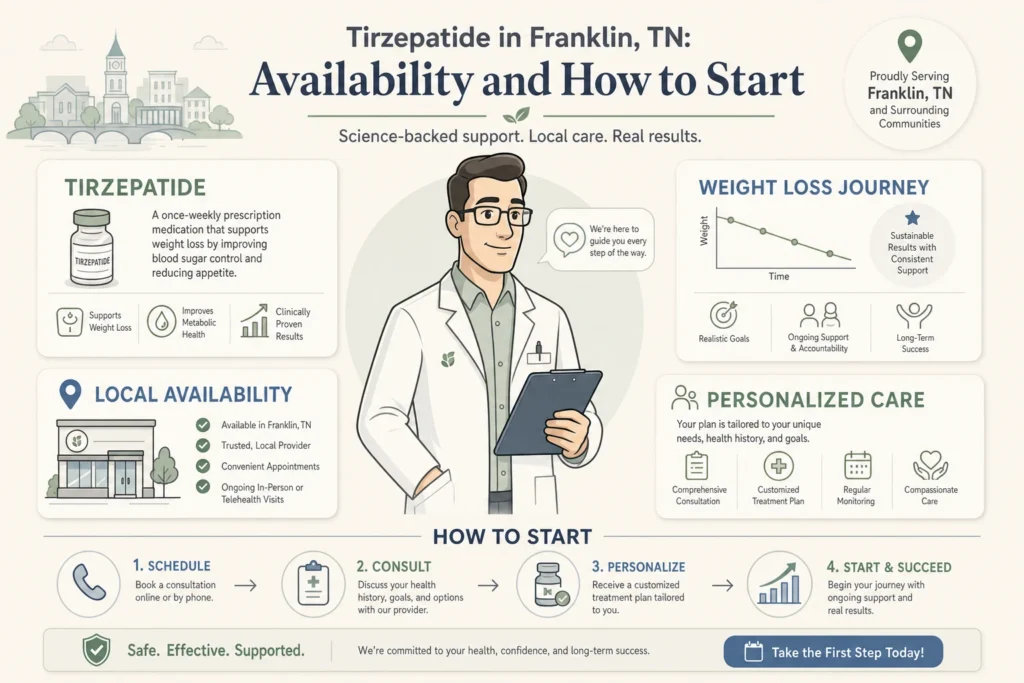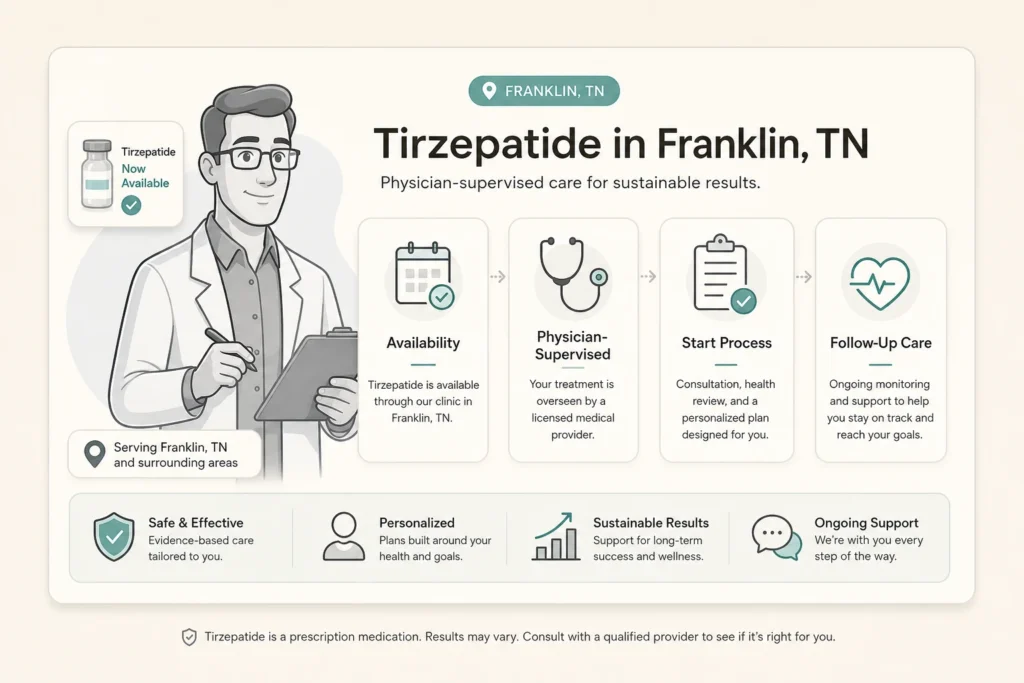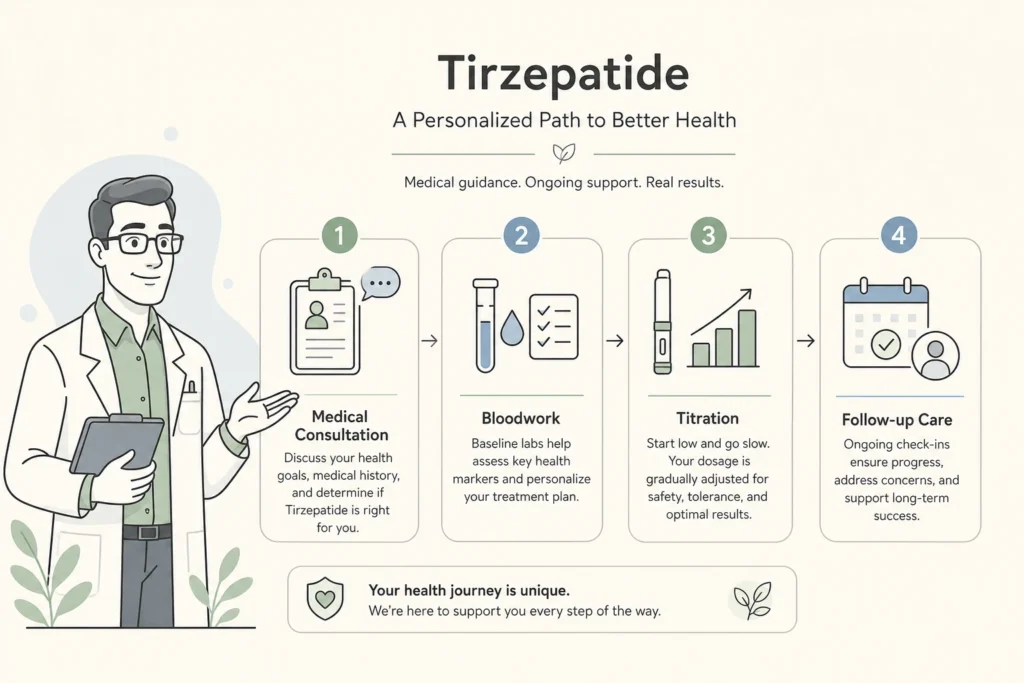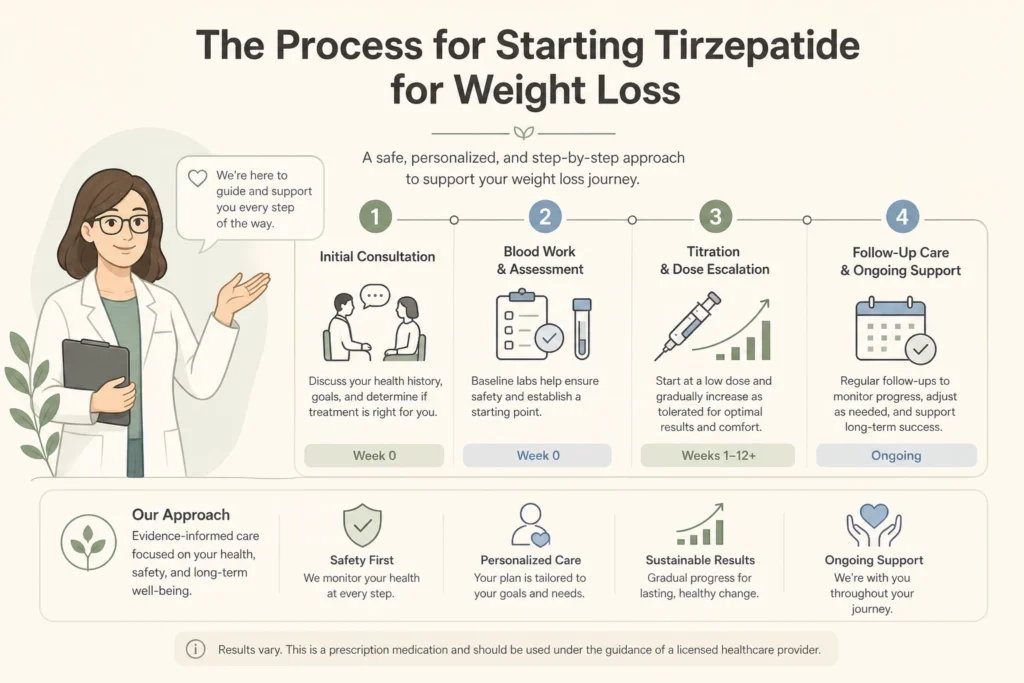
Your First Medical Weight Loss Appointment: What to Expect at Body Works

Your First Medical Weight Loss Appointment: What to Expect at Body Works

April 12, 2026

Welcoming Body Works clinic interior representing a first medical weight loss appointment

Walking into a weight loss clinic for the first time stirs up a specific kind of anxiety. You have already tried diets, gyms, maybe even apps that track every bite. None of it stuck. Now you are considering something more serious, and that means letting a medical professional see the full picture. The number on the scale. Your history of attempts. The habits you would rather not discuss.

That vulnerability is real. It is also normal. At Body Works in Franklin, TN and Nolensville, TN, we see patients arrive nervous every day. They worry about judgment. They worry we will hand them a generic meal plan and send them home. They worry this will be like every other failed attempt. This guide replaces that anxiety with clarity: exactly what happens during your first medical weight loss appointment, from the moment you walk through the door to the plan you leave with.

Why Most People Feel Nervous Before Their First Visit

Most people feel some combination of dread and hope before their first appointment. Dread because stepping on a scale in front of a stranger exposes something private. Hope because maybe this time will be different. Both feelings are valid. Both are common. Body Works runs a physician-supervised semaglutide weight loss program at both the Franklin and Nolensville locations, and the steps below apply to both intake paths.

The CDC Adult Obesity Facts estimate that roughly 40% of U.S. adults meet clinical criteria for obesity, which means stepping into a weight loss clinic places you among tens of millions of Americans addressing the same health challenge. The truth is, medical weight loss is not about shame or willpower lectures. It is about identifying why your body has resisted weight loss and addressing those factors directly. Sometimes that means hormonal imbalances. Sometimes it means metabolic issues. Sometimes it means medications you are already taking that work against your goals. None of these are moral failings, they are biological realities that respond to medical intervention.

Private consultation room designed for comfortable one-on-one discussion of health goals

Our first job at Body Works is listening. We want to understand what you have tried, what worked temporarily, and what frustrated you. That conversation happens in a private, comfortable setting with licensed Nurse Practitioners and Registered Nurses who have guided hundreds of patients through this exact process. There is no sales pitch, no lecture, only an assessment of where you are and a discussion of where you want to go.

How Should You Prepare Before You Arrive?

Preparation helps, but perfection is not required. You do not need to lose ten pounds before your appointment. You do not need to memorize nutrition facts or organize a food diary spanning three months. Showing up exactly as you are is enough. That said, a few items make the visit more productive:

  • A list of current medications including dosages and prescribing doctors. This includes supplements and over-the-counter items you take regularly.
  • Recent lab results if you have had bloodwork in the past six months. These are helpful but not mandatory. We can order whatever tests you need.
  • Notes about your eating patterns, activity level, sleep schedule, and stress levels. You do not need a formal journal; a general sense of your daily routine helps us understand your starting point.

If we send you intake forms before your appointment, completing them early saves time. If not, arriving 15 minutes early gives you space to fill everything out without rushing. You do not need a referral to schedule with us. Your first consultation is free at either location.

What Happens Step by Step at Your First Appointment?

The entire visit takes about 45 minutes to an hour. Here is how that time breaks down.

Step by step flow of a first medical weight loss appointment from check in through treatment plan

Check-in and paperwork. If you completed forms ahead of time, check-in takes a few minutes. If not, you will fill out a health history covering your medical conditions, previous weight loss attempts, family history, and current concerns. Our front desk team handles this efficiently and privately.

One-on-one consultation with your provider. This is the heart of the appointment. You will sit down with a licensed Nurse Practitioner or Registered Nurse who reviews your complete health picture. Expect questions about your weight history and previous attempts, current medical conditions such as diabetes, thyroid issues, sleep apnea, or high blood pressure, medications you are taking (some contribute to weight gain), and your daily habits: what you typically eat, how often you move, your sleep quality, and your stress levels. You will also discuss your specific goals, both the number on the scale and how you want to feel. This conversation is thorough because your treatment plan needs to account for your whole life, not just your BMI.

Physical measurements. We record your weight, height, and BMI. We check blood pressure and heart rate. Many patients also receive a body composition analysis that distinguishes fat mass from lean muscle mass. This matters because losing 10 pounds of fat while gaining 3 pounds of muscle represents real metabolic progress, even though a standard scale would only show 7 pounds lost.

Lab Work Discussion

Depending on your health history and recent testing, we may order labs. Common tests include metabolic panels, thyroid function tests, lipid panels, and HbA1c for blood sugar regulation. These tests reveal underlying factors like hypothyroidism or insulin resistance that can sabotage weight loss despite genuine dietary efforts. If you brought recent labs, we review them during your visit. If not, we schedule what you need.

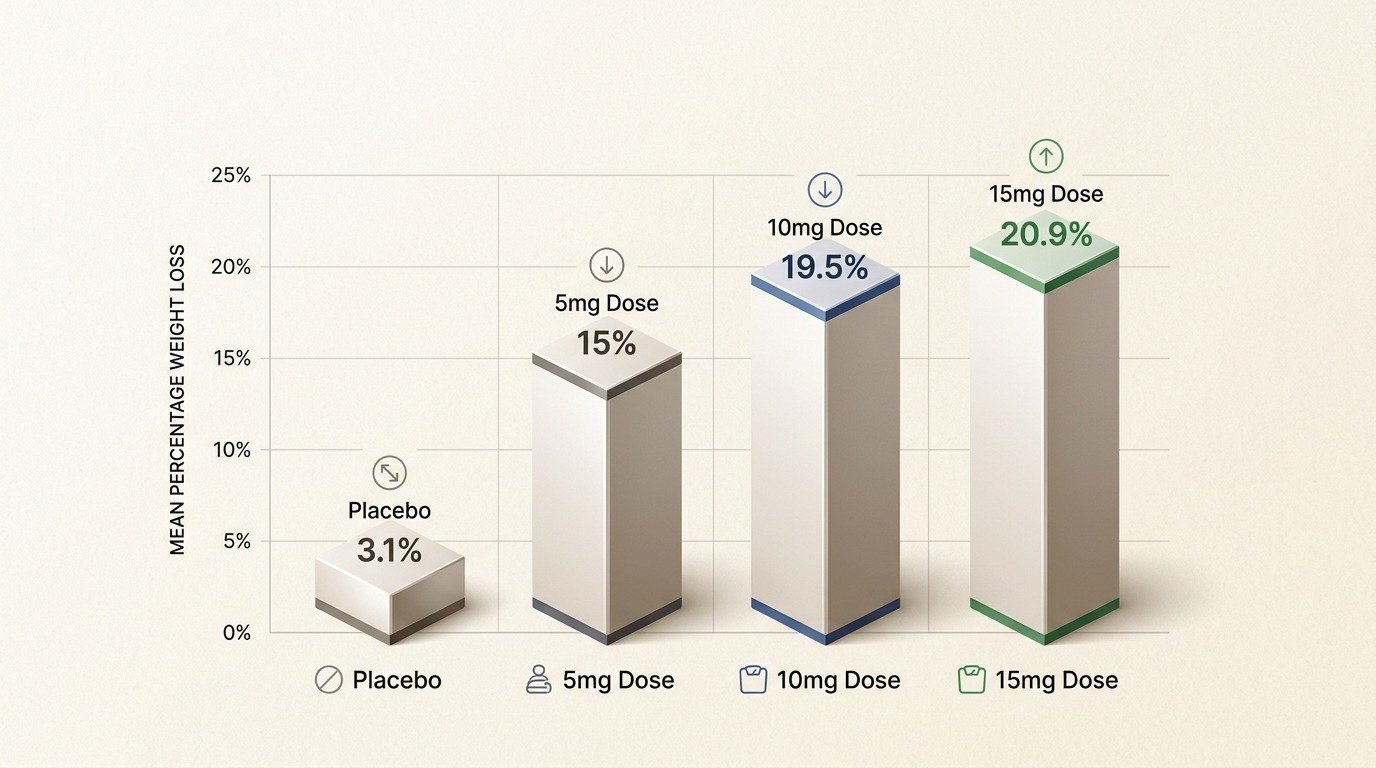
Treatment plan conversation. Once we understand your health profile, we discuss options: GLP-1 medications like semaglutide and tirzepatide, FDA-approved appetite suppressants for appropriate candidates, lipotropic injections with B12 and MIC nutrients, nutritional counseling tailored to your lifestyle, and hormone therapy if testing reveals imbalances. Patients prescribed semaglutide can expect outcomes in the range documented by the STEP 1 trial (Wilding et al., NEJM, 2021), which reported an average 14.9% body weight loss over 68 weeks. We explain how each option works, realistic timelines, potential side effects, and whether you are a good candidate. Not everyone needs medication. Not everyone qualifies for specific medications. According to the National Institute of Diabetes and Digestive and Kidney Diseases, patients using weight management medications lose 3 to 12% more of their starting body weight than those relying on lifestyle changes alone. Your plan is built around your body, your goals, and your comfort level.

What Makes Body Works Different from Other Clinics?

Plenty of places offer weight loss programs. Urgent care clinics, online-only services, and high-volume centers exist throughout Middle Tennessee. Here is what sets Body Works apart.

Boutique medical practice setting with personalized care rather than high volume conveyor belt model

Body Works is a boutique medical practice, not a conveyor belt. You see the same providers throughout your journey. They remember your name, your history, and your specific challenges. There is no rotating cast of staff reading from a script.

Your care is medically licensed and supervised. Your program is directed by licensed Nurse Practitioners and Registered Nurses under owner Justin Williams. This is medical care, not a supplement shop or a coaching program pretending to be healthcare.

Body Works addresses the full picture under one roof. Weight gain often connects to other issues: hormonal imbalances, low energy, dehydration, stress. At Body Works, you can access IV therapy, hormone replacement therapy, peptide therapy, and aesthetic services alongside your weight loss program. No driving between three different clinics.

Two convenient locations serve Middle Tennessee. The Franklin and Nolensville offices serve patients throughout the area, and both locations offer the same comprehensive services and personalized approach.

What Happens After Your First Appointment?

You will not walk out with a generic meal plan and a wish for good luck. You will leave with a specific next step: starting medication, scheduling lab work, or beginning nutritional counseling.

Ongoing follow up care and check ins showing continuation of treatment beyond the first visit

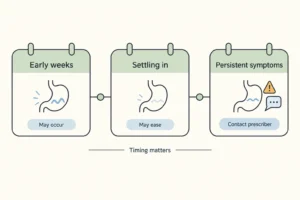
If we ordered labs, we contact you with results and any needed adjustments to your plan. If you started medication, we check in during your first week to see how you are tolerating it. Side effects like mild nausea are common and manageable, but we want to hear about them so we can help. Our team follows established best practices for GLP-1 injection success to help patients navigate the early weeks.

Your first follow-up is typically scheduled about 4 weeks after your initial visit. At that appointment, we assess your response, review any side effects, and prepare you for your next phase. Some patients need weekly check-ins initially; others do well with monthly visits. The schedule adapts to your needs. Between appointments, you have direct access to the team. Questions about your medication, struggles with meal planning, or concerns about progress are all valid reasons to reach out.

Getting Started in Franklin or Nolensville

The hardest part of medical weight loss is almost always taking the first step. Walking through that door requires admitting that what you have tried before has not worked, and that is uncomfortable. But it is also the moment everything can change.

The Franklin location sits in downtown Franklin and serves patients throughout Williamson County. The Nolensville location provides easier access for patients south of Nashville. Both offices deliver the same medical weight loss services, the same physician-supervised care, and the same free consultation model, so the right location is whichever is more convenient for your schedule.

Your first consultation at Body Works is free. There is no obligation, no pressure, and no judgment, just a conversation about your health and whether our approach fits your needs. Schedule a Free Consultation at either the Franklin or Nolensville location. Bring your questions, your concerns, and your goals. We will handle the rest.

Frequently Asked Questions

Plan for 45 minutes to an hour for your first visit. This includes check-in, your one-on-one consultation with a licensed provider, physical measurements, lab work discussion, and treatment planning. Follow-up appointments are typically shorter, around 30 minutes.
Bring a photo ID, a list of current medications with dosages, and any recent lab results from the past six months. Also come prepared to discuss your eating habits, activity level, sleep patterns, and weight loss goals. A support person is welcome if that makes you more comfortable. There is no need to prepare a detailed food diary in advance.
It depends on your individual situation. Some patients start medication the same day after a review of their health history and goals. Others may need lab work first or additional evaluation. Either way, you will leave your first visit knowing exactly what your timeline looks like and what comes next in your personalized plan.
No referral is needed. Your first consultation at Body Works is free, and you can schedule directly at either the Franklin or Nolensville location. You can book online through our consultation page or call us to set up a time that fits your schedule.
Most of our patients have tried multiple diets or programs before finding us. Previous attempts are not failures, they are data points that help us understand what approaches do not work for your body. Medical weight loss addresses biological factors like hormones and metabolism that commercial programs often miss entirely.
Yes. The first consultation at Body Works is genuinely free, and there is no obligation to begin any treatment. Many patients schedule a consultation just to learn whether medical weight loss is right for them before making any decisions. You can leave with information only if that is what you prefer. Schedule a Free Consultation at Body Works in Franklin or Nolensville to take the first step toward medical weight loss. Medically reviewed by Dr. Donald Vollmer, MD, Managing Physician, Body Works TN

Medically reviewed by Dr. Donald Vollmer, MD
Managing Physician, Body Works TN

Browse Our Blog

Medical Weight Loss in Franklin and Nolensville, TN: Getting Started

Medical Weight Loss in Franklin and Nolensville, TN: Getting Started

April 11, 2026

Downtown Franklin Tennessee with medical weight loss consultation concept representing physician-supervised treatment If you are searching for a semaglutide clinic in Franklin TN, the rest of this guide explains exactly what to expect, who qualifies, and how to start.

You have tried the diets. You have joined the gyms. You have counted calories until your head spun. Yet the scale barely moved, or the weight came right back. If this sounds familiar, you are not alone, and you are not doing anything wrong. Sometimes biology works against us in ways that willpower alone cannot overcome. The CDC Adult Obesity Facts estimate that roughly 40% of U.S. adults meet clinical criteria for obesity, a biological condition that responds best to medical rather than willpower-based interventions.

This is where medical weight loss comes in. Unlike DIY approaches, physician-supervised programs use evidence-based treatments to address the hormonal and metabolic factors that make weight loss difficult. At Body Works in Franklin, TN and Nolensville, TN, we help patients navigate medical weight loss from the first consultation through long-term maintenance. Here is what to expect if you are considering getting started in Middle Tennessee.

What Is Medical Weight Loss and Who Is It For?

Medical weight loss refers to physician-supervised programs that go beyond “eat less, move more.” These programs address the biological barriers to weight loss: hormones, metabolism, appetite regulation, and underlying health conditions that make traditional dieting feel impossible. Licensed practitioners monitor your health, adjust treatments based on how your body responds, and provide accountability that apps and diet books cannot match.

Most programs require a BMI of 30 or higher, or a BMI of 27 with weight-related conditions such as high blood pressure, type 2 diabetes, high cholesterol, PCOS, or sleep apnea. BMI is not the whole story, though. Medical weight loss also benefits people who have struggled with traditional diets, experienced stubborn weight gain from aging or hormonal changes, need to lose weight before a surgical procedure, or simply want professional guidance to break the cycle of yo-yo dieting.

Medical provider reviewing weight loss plan with a patient in a clinical setting

The key difference from DIY approaches is supervision. Your provider evaluates your health profile, designs a plan around your specific metabolic picture, and adjusts as you progress. Dieting alone tries to override biology with willpower. Medical weight loss works with your biology through targeted interventions.
Treatment Options at Franklin and Nolensville Weight Loss Clinics

Today’s medical weight loss clinics offer several approaches. The National Institute of Diabetes and Digestive and Kidney Diseases reports that patients using weight management medications lose 3 to 12% more of their starting body weight than those relying on lifestyle changes alone. Understanding these options helps you have an informed conversation with your provider and set realistic expectations about what treatment will look like.

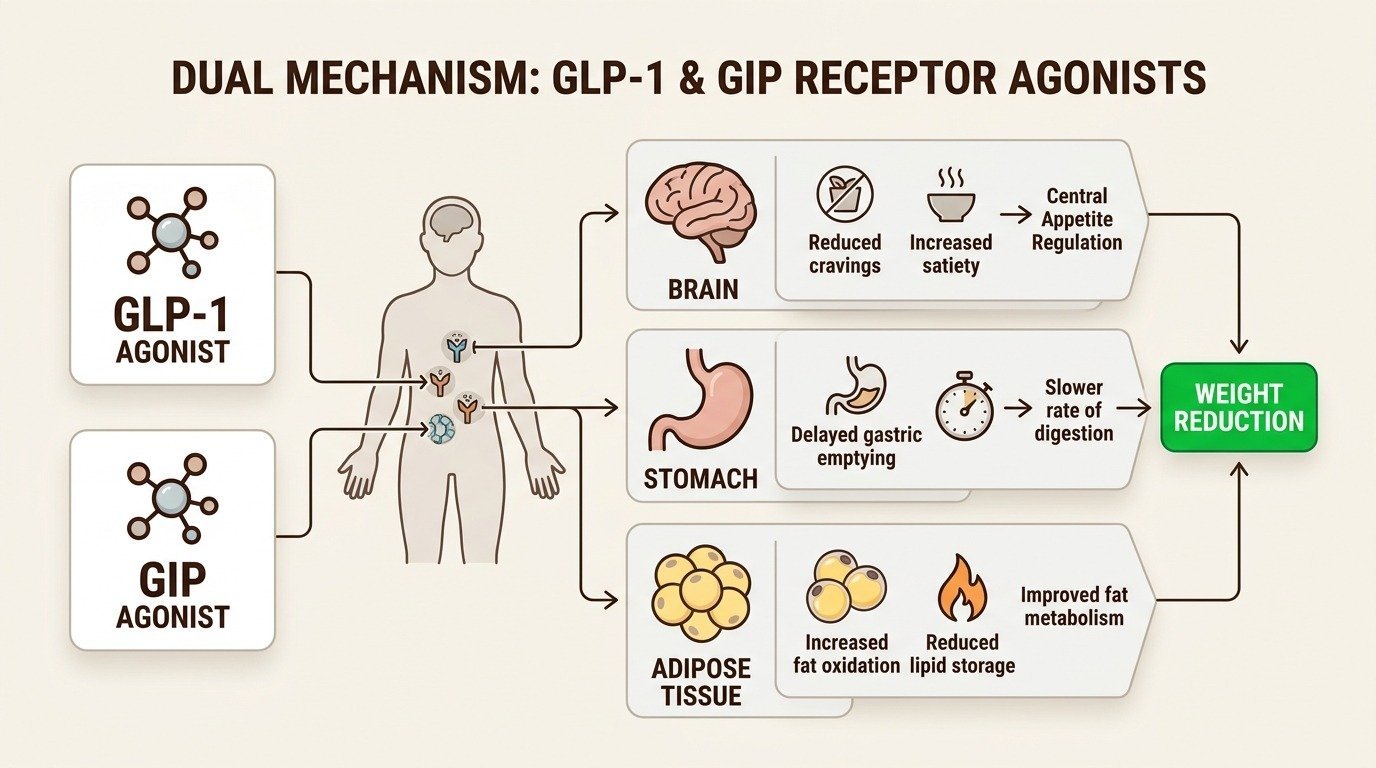
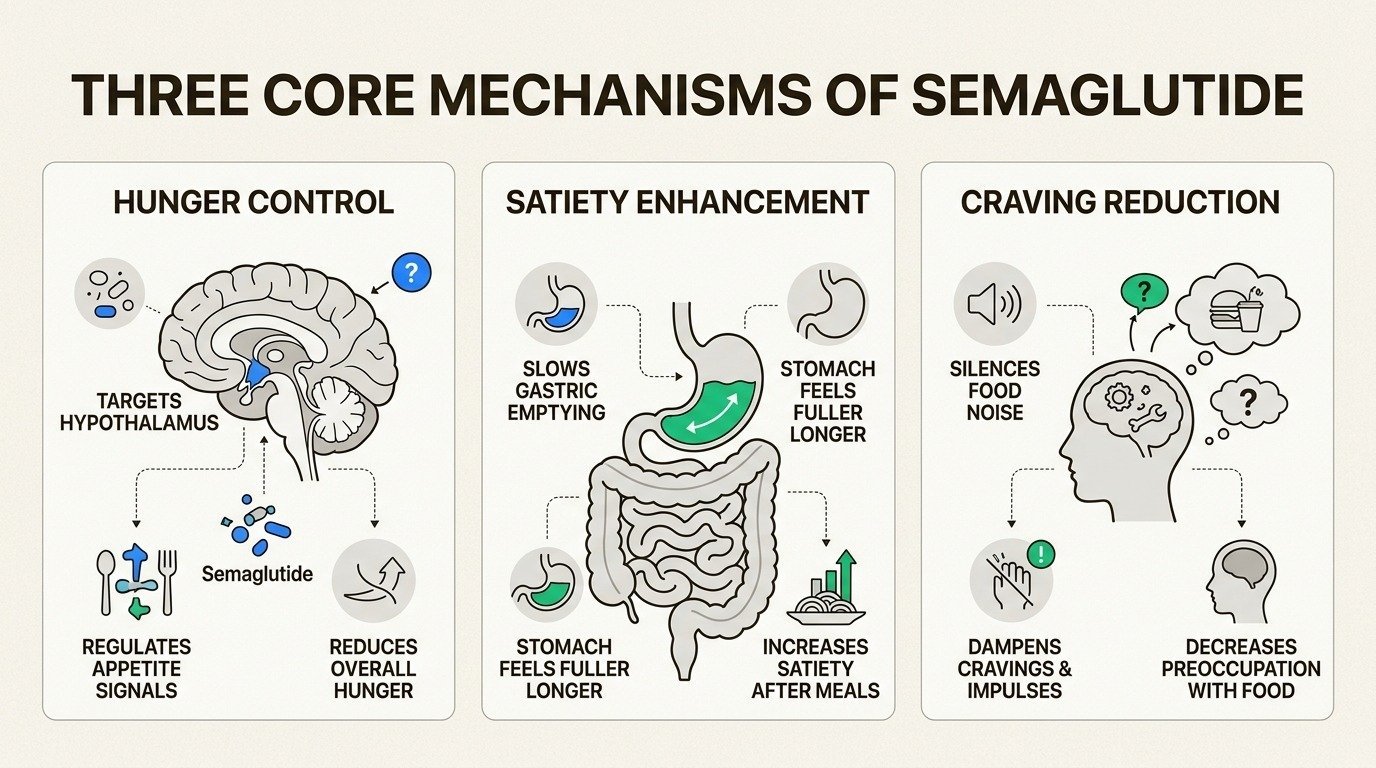
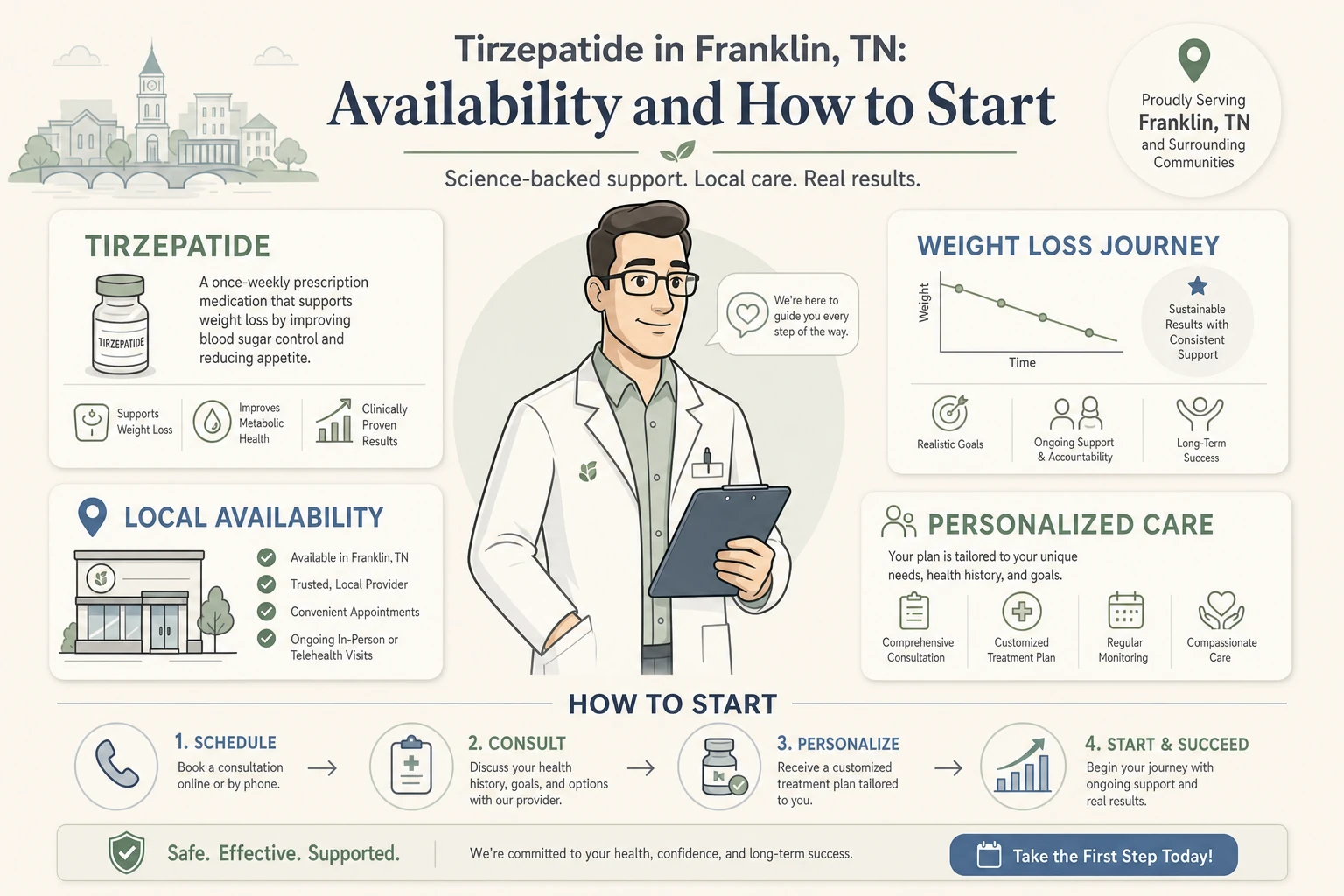
FDA-approved GLP-1 medications are the current standard. GLP-1 receptor agonists mimic a natural hormone that regulates appetite, slows gastric emptying, and reduces cravings at the neurological level. The two main options are semaglutide, a once-weekly injection that produced an average 14.9% body weight loss over 68 weeks in the STEP 1 trial (Wilding et al., NEJM, 2021), and tirzepatide, a dual-action medication targeting both GLP-1 and GIP hormones with even greater weight loss in head-to-head trials. Patients start on a low dose and titrate up, which minimizes early side effects like mild nausea.

GLP-1 medication injection pen alongside supportive therapy elements for comprehensive weight loss care

Complementary therapies round out the plan. Body Works pairs GLP-1 treatment with lipotropic injections (B12 plus MIC nutrients) for fat metabolism, customized IV hydration, and hormone optimization for patients whose weight challenges stem from hormonal imbalances. The best programs combine these based on your individual profile rather than a one-size-fits-all template. For the underlying mechanism, see our primer on how GLP-1 medications work.

What Should You Expect at Your First Consultation?

Walking into a weight loss clinic for the first time can feel intimidating. Knowing what to expect puts you at ease. Body Works offers free initial consultations at both locations. Bring a list of current medications, any recent bloodwork, and be prepared to talk through your weight loss history.

During the consultation, your provider conducts a thorough assessment: health history review, body composition analysis, blood pressure and vitals, BMI and eligibility confirmation, and a discussion of your goals and lifestyle. Some clinics draw bloodwork during the visit; others request labs in advance. Lab work helps identify any underlying conditions that might affect treatment.

Based on your assessment, your provider recommends a personalized plan: specific medication options suited to your health profile, dosage and titration schedule, nutritional guidance focused on sustainable eating patterns, activity recommendations suited to your fitness level, and a follow-up schedule. The first week is when side effects are most noticeable if they occur at all. Most patients report feeling less hungry within days, with visible weight loss starting around the 4 to 6 week mark.

How Do You Choose a Weight Loss Clinic in Franklin or Nolensville?

Not all weight loss clinics operate the same way. Before committing to a provider, ask who prescribes the medication (look for licensed Nurse Practitioners or physicians), whether bloodwork is monitored throughout treatment, what is included in the program beyond just a prescription, whether ongoing support is offered, and what happens if you experience side effects.

Split view showing in-person clinical support on one side and remote online telehealth consultation on the other

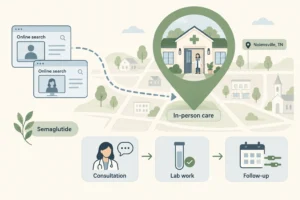
Telehealth weight loss has made treatment more accessible but introduces trade-offs. Online programs mail you medication without ever seeing you in person. It works for some patients, but it lacks the hands-on care most patients need when working with powerful medications like GLP-1 receptor agonists. Local clinics offer face-to-face accountability, immediate clinical support when side effects arise, body composition tracking with medical-grade technology, and coordination with your primary care physician. Having a local medical team that knows you by name provides peace of mind that chatbots and call centers cannot replicate.

How Long Does Medical Weight Loss Take to Show Results?

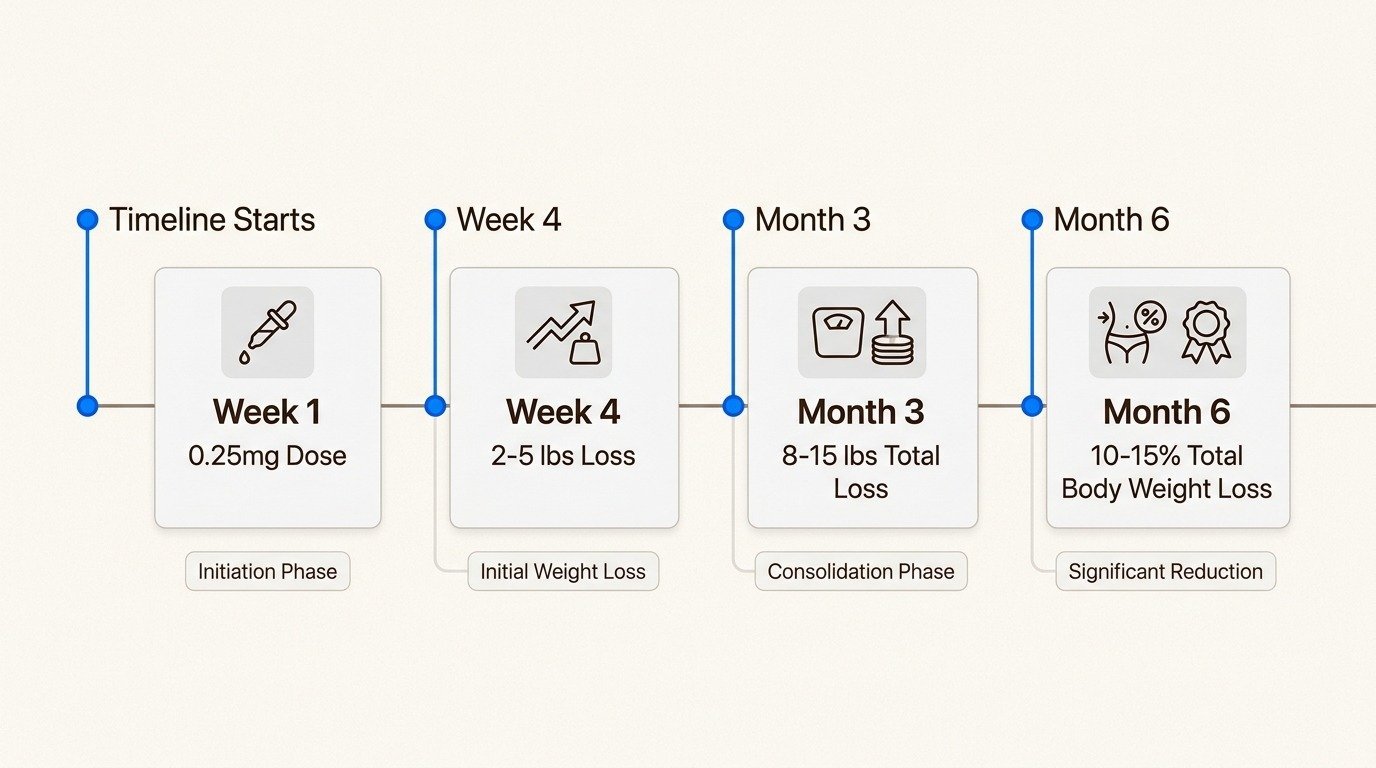
One of the biggest mistakes people make is expecting overnight transformations. Medical weight loss works, but it works through biology, not magic. Here is the typical progression that Body Works patients experience at both the Franklin and Nolensville clinics.

Timeline graphic showing progression of medical weight loss from appetite changes through sustainable results over several months

PhaseTimeframeWhat to Expect
Early adaptationWeeks 1 to 2Appetite suppression begins. You feel full faster and think about food less. Mild nausea possible during adjustment.
Initial lossWeeks 4 to 6Measurable weight loss becomes visible. Most patients lose 3 to 5 pounds in early weeks, though starting weight and metabolism drive variation.
Sustained lossMonths 3 to 6Significant weight loss accumulates at a safe 1 to 2 pounds per week. Total body weight loss of 15 to 20% is achievable over 6 to 12 months.
Maintenance6+ monthsGoal shifts from losing to maintaining. Gradual step-down of medication while building sustainable habits around nutrition and activity.

Medication alone is not the answer. GLP-1s reduce appetite, making it easier to eat less, but what you eat still matters. Protein intake becomes especially important to preserve muscle mass during weight loss. Hydration, sleep, stress management, and physical activity all play supporting roles. Our guide on how to succeed on medical weight loss injections breaks down the habits that separate the strongest responders from average ones, and our overview of appetite-focused weight loss explains how the pieces work together.

Why Local Clinics Like Body Works Are Different

Body Works operates two locations in Middle Tennessee with a model that differs from both national franchises and online-only providers. The clinic is locally owned, not franchised, which means patient care decisions happen locally rather than at corporate headquarters. It offers comprehensive wellness under one roof: medical weight loss, hormone therapy, IV hydration, peptide therapy, and aesthetic services in one place.

The medical team includes four Nurse Practitioners, three Registered Nurses, a Licensed Practical Nurse, and a Licensed Massage Therapist. Every patient receives care from qualified professionals, not sales staff. The Franklin location serves downtown Franklin and surrounding communities; the Nolensville location provides easier access for residents south of Nashville. Both offer identical standards of care and treatment options.

If you have been stuck in the cycle of diets that do not work, medical weight loss offers a different path: backed by clinical research, supervised by licensed professionals, and tailored to your specific body and goals. Schedule a Free Consultation at either Body Works location to decide whether medical weight loss is right for you.

Frequently Asked Questions

Most patients notice appetite suppression within days of starting a GLP-1 medication. Visible weight loss typically appears within 4 to 6 weeks, with significant results accumulating over 3 to 6 months. Average sustainable weight loss is 1 to 2 pounds per week once you reach a therapeutic dose, though early weeks may show faster results because of initial water loss and appetite changes.
Local clinics provide in-person medical supervision, including bloodwork monitoring, dosage adjustments, and immediate support for side effects. Online programs typically mail medication without face-to-face care. Local providers also coordinate with your existing healthcare team and understand the Middle Tennessee medical landscape. For a medication as powerful as a GLP-1, hands-on care is a meaningful advantage.
Yes. GLP-1 medications including semaglutide and tirzepatide are available at Body Works in both Franklin and Nolensville. These medications require a prescription from a licensed medical provider following a clinical assessment. Your provider will determine which medication fits your health history, goals, and how your body responds during the early weeks of treatment.
Look for licensed medical professionals such as Nurse Practitioners or physicians, comprehensive initial assessments that include bloodwork, ongoing monitoring and support rather than one-off prescription fulfillment, and transparent communication about what the program includes. Consider location convenience, the range of complementary services available, and whether the clinic feels like a good personal fit during your initial consultation.
Bring a valid ID, a list of your current medications, any recent bloodwork or medical records, and a general idea of your weight loss goals and history. Wear comfortable clothing because some clinics conduct body composition analysis during the visit. Be ready to talk about previous weight loss attempts, any weight-related health conditions, and what you hope treatment will help you accomplish.
A BMI of 30 or higher is the most common threshold, but many clinics accept patients with a BMI of 27 or above if they also have weight-related health conditions such as high blood pressure, type 2 diabetes, high cholesterol, PCOS, or sleep apnea. Your provider at Body Works will confirm eligibility during your consultation and recommend the best treatment approach for your specific situation. Schedule a Free Consultation at Body Works to meet with a provider in Franklin or Nolensville and take the first step toward medical weight loss. Medically reviewed by Dr. Donald Vollmer, MD, Managing Physician, Body Works TN

Medically reviewed by Dr. Donald Vollmer, MD
Managing Physician, Body Works TN

Browse Our Blog

What Is Food Noise? How GLP-1 Medications Quiet Obsessive Food Thoughts

What Is Food Noise? How GLP-1 Medications Quiet Obsessive Food Thoughts

April 10, 2026

Person looking contemplative with soft food imagery in the background representing constant food-related thoughts

You finish breakfast, and before the last bite is swallowed, your mind is already planning lunch. You walk past a bakery and the smell hijacks your thoughts for the next hour. You ate enough to feel physically full, yet some part of your brain keeps whispering about snacks, meals, and everything in between.

If this sounds familiar, you are experiencing what researchers and patients now call “food noise.” It is not hunger. It is not a lack of willpower. It is a real, biological phenomenon that affects more than half of people living with overweight or obesity, a population that the CDC Adult Obesity Facts estimates at roughly 40% of U.S. adults. At Body Works in Franklin, TN and Nolensville, TN, we hear this story every day from patients researching medical weight loss. Here is the science behind food noise and how GLP-1 medications quiet it.

What Is Food Noise?

Food noise is the persistent, intrusive mental preoccupation with food that exists separate from physical hunger. Everyone thinks about meals sometimes. Food noise is different: it is constant, unwanted, and often distressing. A 2025 expert panel published in Nature defined it as “persistent thoughts about food that are perceived by the individual as being unwanted and/or dysphoric and may cause harm to the individual, including social, mental, or physical problems” (Nature, 2025).

Patients describe food noise as:

  • Thinking about the next meal while still eating the current one
  • Feeling unable to concentrate because food thoughts keep interrupting
  • Constantly checking food delivery apps, even when not hungry
  • Planning meals, calories, and macros obsessively
  • Feeling like life revolves entirely around food

Visualization comparing physical hunger signals with the overwhelming mental chatter of food noise

The critical distinction is that food noise is not hunger. Hunger is a physiological signal that your body needs fuel. Food noise is a cognitive phenomenon, a mental loop that continues even when your body has adequate energy. Reframing the struggle from a character flaw to a neurobiological condition is the first step toward treating it effectively.

The Brain Science Behind Food Noise

Food noise starts with a brain system called the Default Mode Network, or DMN. Think of the DMN as your brain’s background setting, the network that activates when you are not focused on a specific task. It drives mind-wandering, daydreaming, and thinking about the future. Research published in PubMed Central found that our minds are in this wandering state roughly 47% of the time (PMC, 2024).

Diagram showing the Default Mode Network in the brain and how it becomes fixated on food-related thoughts

Usually, this wandering state is harmless. But for some people, the DMN becomes fixated on food. It gets co-opted by food cues, whether internal (a slight hunger pang) or external (seeing a food advertisement). This triggers what scientists call “food cue reactivity,” an evolutionary mechanism that once helped humans survive food scarcity. In modern environments saturated with food marketing and easily accessible high-calorie options, the mechanism becomes maladaptive.

One published review describes food noise as “maladaptive prospection”: your brain repeatedly simulates short-term reward scenarios (eating) that conflict with long-term goals (health and weight management). It is not that you lack discipline. Your brain’s default wiring has been hijacked by a constant stream of food-related thoughts. Interestingly, this phenomenon shares neural roots with conditions like depression, where the DMN also becomes overactive and generates repetitive thoughts.

How Do GLP-1 Medications Quiet Food Noise?

GLP-1 medications quiet food noise by activating receptors in the brain’s appetite and reward centers, modulating the Default Mode Network, and dampening the dopamine response that food cues trigger. Synthetic GLP-1s mimic a hormone your gut naturally produces after eating, but they last much longer in your system, which means the signal they send to your brain is stronger and more sustained.

The mechanism works at three levels:

First, they act on appetite centers in the brain. GLP-1 receptors are found throughout the brain, including the hypothalamus (which regulates hunger), the hindbrain (which processes fullness signals), and the mesolimbic reward circuits that drive cravings. When activated, these receptors send powerful “I have had enough” signals to the rest of the brain. Research published in Diabetes, Obesity and Metabolism found that semaglutide therapy program significantly reduced appetite scores and food cravings by targeting these brain regions (Blundell et al., 2017).

Diagram showing how GLP-1 medications send satiety signals from the gut to the brain through the vagus nerve

Second, they modulate the Default Mode Network. fMRI research shows that GLP-1 medications reduce DMN connectivity in regions associated with food-related rumination. This is the biological equivalent of turning down the volume on food noise.

Third, they alter reward processing. GLP-1s appear to reduce the dopamine response triggered by food cues. Importantly, patients still enjoy food, they simply stop obsessing over it. Researchers describe this as reducing the wanting without eliminating the liking. The natural gut-brain signaling pathway still carries fullness information through the vagus nerve; the medication amplifies and extends those signals so your brain gets a clearer, louder message about satiety that persists between meals. If you want the broader mechanism, see our primer on how GLP-1 medications work.

Clinical Evidence: What the Research Shows

The evidence for GLP-1 medications reducing food noise goes beyond theory. A 2025 study presented at the European Association for the Study of Diabetes surveyed 550 people taking semaglutide for weight loss. The results were striking: before treatment, 62% of participants experienced constant thoughts about food throughout the day. After treatment, that number dropped to 16%.

Bar chart showing dramatic reduction in food noise metrics after GLP-1 treatment from the 2025 EASD study

Food Noise MetricBefore GLP-1 TreatmentAfter GLP-1 Treatment
Constant thoughts about food throughout the day62%16%
Spending too much time thinking about food63%15%
Uncontrollable food thoughts53%15%
Food thoughts distracting from daily activities47%15%
Negative effects on quality of life60%20%

The mental health numbers were equally striking. Among the same participants, 64% reported improved mental health, 76% reported improved self-confidence, and 80% developed healthier habits. These effects appeared alongside the physical weight loss documented in the STEP 3 trial (Wadden et al., JAMA, 2021), which found that semaglutide combined with behavioral therapy produced 16% body weight loss with significantly improved control over eating.

What Does Reduced Food Noise Feel Like?

Patients consistently describe the reduction of food noise as one of the most meaningful effects of GLP-1 treatment, often ranking it above the weight loss itself. The experience is not about feeling deprived or forcing yourself to eat less. It is about food simply occupying less mental space.

Common descriptions from Body Works patients include: “I can drive past a fast food restaurant without even noticing it,” “I eat dinner and actually feel done,” and “I did not realize how much mental energy I was spending on food until it stopped.” This mental freedom allows patients to redirect attention toward work, relationships, hobbies, and building sustainable habits alongside treatment. One patient interviewed in a widely read feature on food noise described it as “some part of my brain that was always there just went quiet. It felt almost surreal to put an injector against my leg and have happen in 48 hours what decades of intervention could not accomplish.”

Who Is a Good Candidate for GLP-1 Treatment?

According to the National Institute of Diabetes and Digestive and Kidney Diseases, GLP-1 medications are typically appropriate for adults with a body mass index (BMI) of 30 or higher, or adults with a BMI of 27 who also have weight-related conditions such as prediabetes, type 2 diabetes, high blood pressure, high cholesterol, or sleep apnea. Patients who describe persistent food preoccupation or repeated difficulty with appetite control and sustainable weight loss through diet and exercise alone tend to respond particularly well, because the medication targets the neurological driver of overeating rather than relying entirely on behavioral change.

Response varies from person to person. Some patients experience significant food noise reduction within days. For others, the effect builds more gradually as the dose is titrated upward over the first 16 to 20 weeks. Some patients experience mild gastrointestinal side effects during the early weeks, particularly during dose escalation. Working with experienced providers helps manage those effects while maximizing the benefit.

At Body Works, physicians in Franklin and Nolensville evaluate each patient individually through a comprehensive intake that includes bloodwork, health history, and body composition analysis. Your provider will determine whether semaglutide, tirzepatide, or another approach is the right fit. Schedule a Free Consultation to discuss whether GLP-1 therapy fits your situation.

Frequently Asked Questions

Many patients notice a reduction in food noise within 48 hours to one week of starting treatment. The effect typically becomes more pronounced as the dose is titrated upward over the first month. Individual responses vary; some people experience immediate mental clarity, while others notice more gradual changes over several weeks as the medication reaches therapeutic levels.
Current evidence suggests food noise typically returns when the medication is discontinued, which is why many patients and providers view GLP-1 therapy as a long-term treatment rather than a short-term solution. At Body Works, your provider will help you develop a sustainable long-term plan that fits your goals rather than treating the medication as a temporary fix.
No. Appetite is a physiological drive for food that responds to energy needs. Food noise is a cognitive phenomenon, persistent intrusive thoughts about food that exist independently of hunger. You can have food noise even when you are physically full, which is what makes it so frustrating and difficult to manage through willpower alone.
No. Research indicates that approximately 57% of people with overweight or obesity experience food noise, though many have never heard the term. Some people struggle with weight for metabolic or hormonal reasons without experiencing the intrusive food thoughts that characterize food noise.
Emerging research suggests they might. Studies have shown that GLP-1 medications may reduce cravings for alcohol, and early clinical work has shown promise in reducing opioid cravings. This makes sense because food, alcohol, and drugs activate overlapping reward pathways in the brain. Using GLP-1s for addiction treatment is still under investigation and is not currently a standard indication.
Some research suggests that mindfulness practices may help quiet food noise by training the brain to observe cravings without acting on them. The evidence for mindfulness is less robust than for GLP-1 medications, and it requires consistent practice over time. For many patients, combining medication with mindfulness techniques offers the best results. Your provider at Body Works can discuss what combined approach fits your situation. Schedule a Free Consultation at Body Works to meet with a provider and discuss whether GLP-1 therapy is right for you. Medically reviewed by Dr. Donald Vollmer, MD, Managing Physician, Body Works TN

Medically reviewed by Dr. Donald Vollmer, MD
Managing Physician, Body Works TN

Browse Our Blog

Semaglutide vs. Tirzepatide: Which GLP-1 Is Right for You?

Semaglutide vs. Tirzepatide: Which GLP-1 Is Right for You?

April 9, 2026

Body Works semaglutide therapy in Franklin-vs-tirzepatide.jpg” alt=”Semaglutide and tirzepatide injection pens side by side representing two leading GLP-1 weight loss medications” />

If you are researching medical weight loss, two medication names keep coming up: semaglutide and tirzepatide. Both have changed what is possible with non-surgical weight loss, and there is now head-to-head clinical data showing how they stack up against each other. But they are not interchangeable, and the right choice depends on how each medication works, your medical history, and how your body responds during treatment.

At Body Works in Franklin, TN and Nolensville, TN, physicians prescribe both semaglutide and tirzepatide and tailor the selection to each patient. According to the National Institute of Diabetes and Digestive and Kidney Diseases, GLP-1 receptor agonists now produce 3 to 12% more weight loss than lifestyle intervention alone. This guide walks through the latest clinical evidence, including the 2025 SURMOUNT-5 head-to-head trial, so you can have an informed conversation with your provider.

How Do Semaglutide and Tirzepatide Work Differently?

Both medications belong to a class called incretin mimetics, but tirzepatide engages a second hormone pathway that semaglutide does not. Semaglutide is a pure GLP-1 receptor agonist: it mimics glucagon-like peptide-1, a hormone your gut releases after eating. It acts on the appetite center in your hypothalamus, slows gastric emptying so food stays in your stomach longer, stimulates insulin release when blood sugar is elevated, and suppresses glucagon.

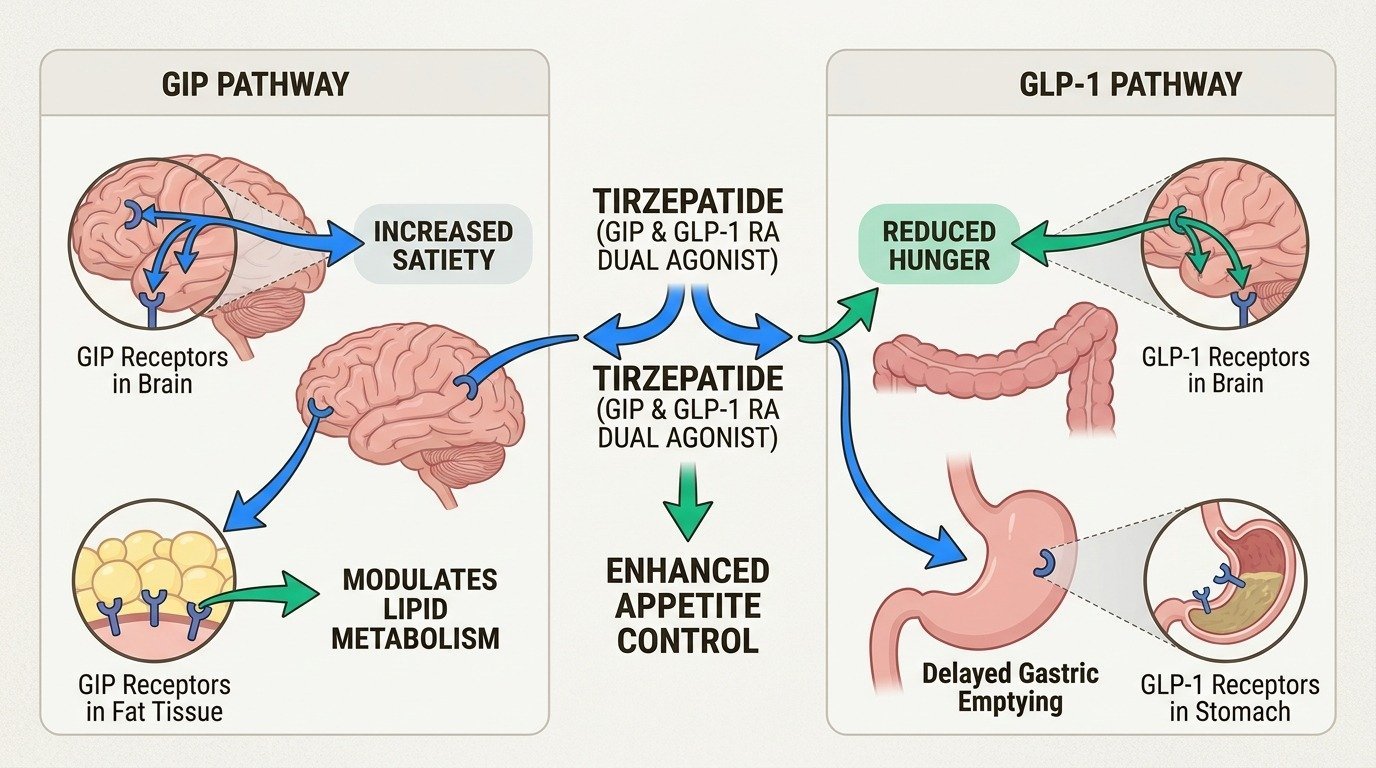
Tirzepatide is a dual GLP-1 and GIP receptor agonist. It activates the same GLP-1 pathway semaglutide uses, but it also targets glucose-dependent insulinotropic polypeptide (GIP) receptors. Researchers believe this dual action enhances insulin sensitivity and fat metabolism beyond what single-pathway GLP-1 treatment achieves, and may offer additional benefits for bone formation and kidney function.

Diagram comparing single-receptor GLP-1 activity with dual GLP-1 and GIP receptor targeting

Both medications are taken as once-weekly subcutaneous injections and work best alongside a reduced-calorie diet and regular physical activity. If this drug class is new to you, our primer on what GLP-1 medications are and how they work covers the fundamentals before the comparison details below.

What Does the SURMOUNT-5 Head-to-Head Trial Show?

The SURMOUNT-5 trial, published in The New England Journal of Medicine in May 2025, is the first large randomized study to compare tirzepatide and semaglutide directly in adults with obesity. Over 72 weeks, tirzepatide produced notably greater weight loss across every metric the researchers measured.

OutcomeTirzepatideSemaglutideDifference
Mean body weight loss-20.2%-13.7%-6.5 percentage points
Waist circumference reduction-18.4 cm-13.0 cm-5.4 cm
Statistical significanceP<0.001P<0.001Highly significant

Chart comparing 20.2 percent tirzepatide weight loss versus 13.7 percent semaglutide weight loss from the SURMOUNT-5 trial

Significantly more tirzepatide patients hit every major weight loss milestone, including 10%, 15%, 20%, and 25% body weight reduction. Real-world data from electronic health records tells a similar story, though the gap narrows somewhat in patients who also have type 2 diabetes. These are averages, and individual results depend on starting weight, adherence to lifestyle changes, and metabolic factors. Our guide on how to succeed on medical weight loss injections walks through the habits that separate strong responders from weaker ones.

What Are the Side Effects of Each Medication?

Both medications share the same gastrointestinal side effect profile, with nausea as the most common complaint. In the STEP 1 semaglutide trial (Wilding et al., NEJM, 2021) and the SURMOUNT-1 tirzepatide trial (Jastreboff et al., NEJM, 2022), nausea affected roughly 44% of semaglutide patients and about 24% of tirzepatide patients at the maximum dose. Diarrhea, vomiting, constipation, abdominal pain, and decreased appetite also occur in a meaningful minority of patients on both drugs.

Side effects are almost always worst during dose titration, when the medication is ramped up every 4 weeks. Most patients find symptoms fade as the body adapts. Gradual escalation over 16 to 20 weeks is the standard clinical protocol precisely because it minimizes GI symptoms while still reaching a therapeutic dose.

Both medications carry the same boxed warnings. They are contraindicated in patients with a personal or family history of medullary thyroid carcinoma (MTC) or Multiple Endocrine Neoplasia type 2 (MEN 2), and both carry warnings for pancreatitis, gallbladder disease, and acute kidney injury from dehydration. A 2024 safety review in ScienceDirect noted that tirzepatide may have slightly better GI tolerability than semaglutide, likely because of its dual mechanism (ScienceDirect, 2024).

Does Semaglutide Offer Cardiovascular Benefits Tirzepatide Does Not?

Semaglutide currently has stronger evidence for heart health, making it the preferred option for patients with existing cardiovascular disease. The SELECT trial demonstrated that semaglutide 2.4 mg reduced major adverse cardiovascular events (heart attack, stroke, and cardiovascular death) by 20% in adults with overweight or obesity and established heart disease (Lincoff et al., SELECT trial, New England Journal of Medicine, 2023).

This was a landmark finding because it established that a weight loss medication could provide cardiovascular protection independent of diabetes status. Tirzepatide has not yet completed a comparable cardiovascular outcomes trial, though studies are underway and early signals are promising.

For patients whose primary concern is cardiovascular risk alongside weight management, semaglutide’s proven outcome data may tilt the decision. Cardiac history is a standard part of the evaluation at both the Franklin and Nolensville clinics before any GLP-1 prescription.

Is There an Oral Option for Either Medication?

Semaglutide is available as a once-daily oral tablet, which is currently the only FDA-approved GLP-1 pill for weight management. Tirzepatide is injection-only. For patients who have significant needle anxiety or strongly prefer oral medications, this availability difference can be the deciding factor between the two classes.

Daily oral tablet and weekly injection pen representing two administration options for GLP-1 weight loss treatment

It is worth noting that the injectable forms are dosed once weekly, while the oral tablet is taken daily on an empty stomach with specific water and fasting instructions. Many patients find the weekly injection more convenient once they get past the initial apprehension about self-injection. Either route can work; the question is which fits your lifestyle and comfort level.

Who Is a Better Candidate for Each Medication?

The right choice depends on your health history, weight loss goals, and how your body responds. Tirzepatide tends to be the stronger option when maximum weight loss is the priority, when you have significant insulin resistance, or when you have plateaued on semaglutide and need a different approach. The dual mechanism gives it an edge in patients without diabetes in particular.

Semaglutide tends to be the better choice when you have established cardiovascular disease, when you want the longer safety track record, when you prefer or need an oral option, or when you value appetite-focused weight loss support with proven outcome data. Patients who cannot tolerate one medication often tolerate the other better, so switching is always on the table.

Before starting either medication, your provider will review your personal and family history of thyroid cancer, pancreatitis, gallbladder disease, kidney function, and pregnancy plans. Body Works physicians evaluate every patient individually at the Franklin and Nolensville clinics, and adjust treatment as your response dictates. Schedule a Free Consultation to discuss which GLP-1 medication fits your goals.

Frequently Asked Questions

Yes. Switching between GLP-1 medications under medical supervision is common when a patient plateaus or tolerates one better than the other. Your provider will typically stop the current medication and start the new one at its lowest dose to minimize side effects. Many patients who plateau on semaglutide see additional weight loss after transitioning to tirzepatide.
No. Both medications are FDA-approved for weight management in adults with obesity, or in adults who are overweight with at least one weight-related condition. You do not need to have diabetes. Clinical data suggests both medications may actually produce greater weight loss in patients without diabetes.
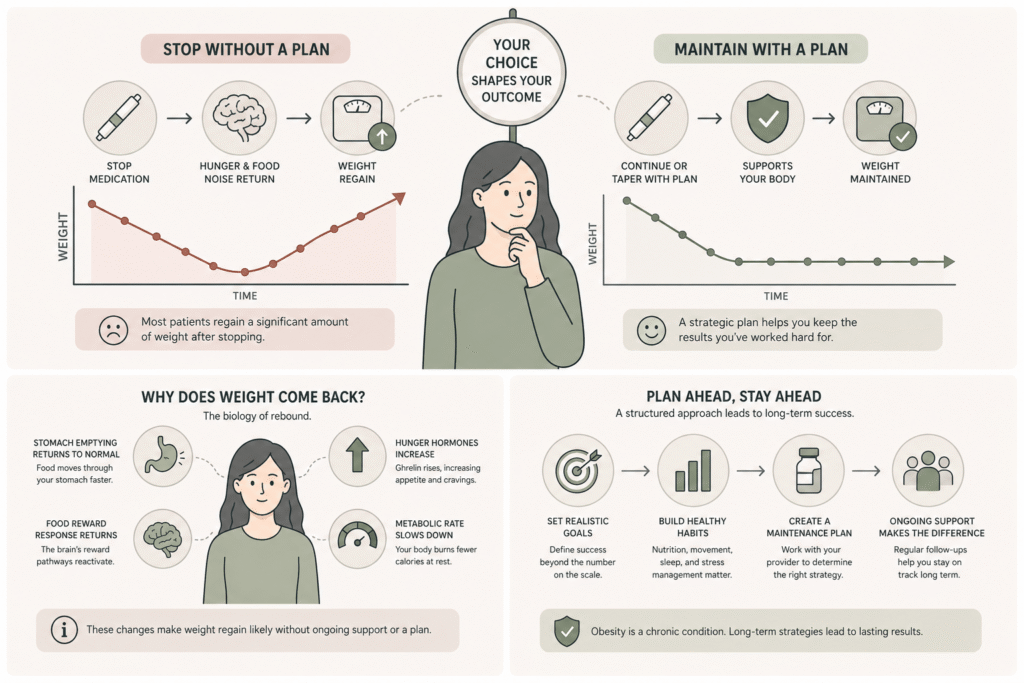
Current evidence suggests GLP-1 medications work best as long-term treatments. Most patients regain a significant portion of the lost weight when they stop. Obesity is being reclassified as a chronic condition, and the goal is typically a sustainable maintenance dose that preserves your results with manageable side effects.
For both medications, if you miss a dose and fewer than 4 days (96 hours) have passed, take the missed dose as soon as you remember. If more than 4 days have passed, skip the missed dose and take your next dose on your regular scheduled day. Do not take two doses within 3 days of each other.
Neither medication should be used during pregnancy. Manufacturer labeling recommends stopping GLP-1 medications at least 2 months before trying to conceive. If you become pregnant while on either medication, contact your provider immediately. Body Works physicians in Franklin and Nolensville will help you plan the safest transition if pregnancy is in your near-term plans. Schedule a Free Consultation at Body Works to meet with a provider and decide which GLP-1 medication is right for you. Medically reviewed by Dr. Donald Vollmer, MD, Managing Physician, Body Works TN

Medically reviewed by Dr. Donald Vollmer, MD
Managing Physician, Body Works TN

Browse Our Blog

What to Ask Before Signing Up for Medical Weight Loss

What to Ask Before Signing Up for Medical Weight Loss

April 8, 2026

Patient reviewing a checklist of questions before signing up for medical weight loss treatment

Everyone seems to know someone who dropped 20 pounds in a month on one of the new GLP-1 medications. The before-and-after photos are everywhere. The success stories are compelling. If you have struggled with your weight for years, medical weight loss can feel like the answer you have been waiting for.

Here is the reality: not every clinic offering medical weight loss operates at the same standard. Some are legitimate medical practices with licensed professionals and comprehensive care. Others are essentially retail shops prescribing serious medications with minimal oversight. The difference matters when you are talking about drugs that affect your metabolism, hormones, and overall health. Before you commit to a provider, you need to ask some hard questions. At Body Works in Franklin, TN and Nolensville, TN, we welcome every one of the questions below during a free consultation. If a clinic you are considering does not, that answer is itself an answer.

Do You Actually Qualify for Medical Weight Loss?

This should be the first question any reputable program addresses. Medical weight loss medications are not appropriate for everyone, and a legitimate provider will screen you carefully. The standard criteria: you typically need a BMI of 30 or higher, or a BMI of 27 or higher with weight-related conditions such as type 2 diabetes, hypertension, sleep apnea, or cardiovascular disease. The CDC Adult Obesity Facts confirm that roughly 40% of U.S. adults meet these thresholds, so you are far from alone if a provider determines you qualify. According to the American Association of Clinical Endocrinology, 42.4% of U.S. adults have obesity, so plenty of people meet these thresholds.

Rigorous screening checklist ensuring medical weight loss is safe and appropriate for each patient

BMI is just a starting point. A thorough program also reviews your medical history, current medications, and any conditions that might make certain weight loss medications unsafe. GLP-1 medications, for example, are not recommended if you have a personal or family history of certain thyroid cancers. If a clinic offers to prescribe weight loss medication without reviewing your health history, running lab work, or discussing your medical conditions, that is a major red flag. Proper screening is not a bureaucratic hurdle, it is how providers keep you safe. A provider who says yes to everyone is not practicing responsibly.

Who Oversees the Program Medically?

In many states, “medical weight loss” clinics can operate with minimal medical oversight. You might speak with a sales consultant rather than an actual healthcare provider. Ask directly: Who will evaluate me? Who prescribes the medications? What are their credentials?

Look for programs overseen by licensed Nurse Practitioners, Registered Nurses, or physicians. These professionals have the training to recognize when weight loss medications might be dangerous, how to manage side effects, and when to adjust treatment. At Body Works, the weight loss program is overseen by licensed Nurse Practitioners and Registered Nurses under owner Justin Williams. When you meet with us, you are meeting with medical professionals who can answer clinical questions, not salespeople working on commission.

What Should Happen at Your Initial Consultation?

A legitimate program starts with a comprehensive evaluation that includes a detailed health history, lab work to check hormones, thyroid function, and metabolic markers, body composition analysis, and a discussion of your goals and what has not worked for you in the past. This takes 45 minutes to an hour. If a clinic promises to get you in and out in 15 minutes with a prescription, you are not getting proper medical care.

The initial consultation is also your chance to assess the provider. Do they listen to your concerns? Do they explain things clearly? Do they seem rushed? Trust your instincts. You will be working with this team for months, so personal fit matters.

Treatment Options a Quality Clinic Should Offer

Medical weight loss is not one-size-fits-all, and the medications available today work differently from one another. A quality program offers multiple options and explains the pros and cons of each.

GLP-1 medications like physician-supervised semaglutide therapy and tirzepatide target hormones that regulate appetite and blood sugar, helping you feel fuller with less food. They are highly effective for many people but come with side effects some patients find difficult during the first weeks. Other options include FDA-approved appetite suppressants, lipotropic injections with B12 and MIC nutrients, and peptide therapy. Some patients also have underlying hormonal imbalances that sabotage weight loss regardless of how strictly they diet: testosterone deficiency in men, thyroid issues, or insulin resistance. A comprehensive program evaluates these factors rather than reaching straight for a prescription. If a clinic only offers one medication or one type of treatment, that suggests a limited perspective on a complex problem.

How Will Your Plan Be Personalized to You?

Be wary of any program that hands every patient the same prescription and meal plan. Your treatment plan should account for your work schedule and daily routine, food preferences and dietary restrictions, exercise history, and your previous weight loss attempts. The plan should evolve as you progress; what works in month one may need adjustment in month three. A good provider monitors your response and adjusts based on results, side effects, and your feedback.

At Body Works, every plan is built from scratch following the principles of sustainable appetite-focused weight loss. A teacher with prediabetes who needs to lose 40 pounds requires a different approach than an executive with stress-related weight gain who needs to lose 20. Also ask how the clinic manages side effects: Do they start with lower doses and titrate up gradually? How quickly can you reach someone if a problem arises? According to the National Institute of Diabetes and Digestive and Kidney Diseases, people using weight management medications lose 3 to 12% more of their starting body weight than those not using medication. Our guide to succeeding on medical weight loss injections walks through the habits that separate strong responders from average ones.

What Happens When You Reach Your Goal?

Here is a statistic that should get your attention: most people who lose weight gain it back. Without a maintenance plan, you are likely to end up right where you started, sometimes heavier than before. Ask any prospective clinic how they handle the transition from active weight loss to maintenance. Do they gradually taper medications, or do you stop cold turkey? Is there a structured maintenance phase with ongoing support?

Some patients need to stay on medication indefinitely to maintain results. Others can transition off with the right support in place. Either way, this should be discussed upfront, not as an afterthought when you are nearing your goal. At Body Works, maintenance planning starts early: the skills and habits you will need for long-term success are built while you are still in the active weight loss phase. A good program also tracks multiple indicators of health improvement beyond the scale: blood pressure, HbA1c, cholesterol, waist circumference, and energy and sleep quality. These markers often improve before significant weight loss shows on the scale, and they are better indicators of lasting health benefit than pounds alone.

Red Flags That Mean You Should Walk Away

Some warning signs are universal. If you encounter any of these, walk away:

  • Promises of overnight results or claims like “lose 30 pounds in 30 days”
  • No medical exam or lab work required before prescribing medications
  • One-size-fits-all treatment plans with no personalization
  • Pressure to buy expensive supplements or package upgrades
  • Staff who cannot explain how medications work or what the side effects are
  • Before-and-after photos that seem too good to be true
  • Fine print hiding important terms in contracts

Warning signs showing red flag indicators of low quality medical weight loss clinics to avoid

These medications are powerful tools that require skill and judgment to use properly. The STEP 1 trial (Wilding et al., NEJM, 2021) documented an average 14.9% body weight loss with semaglutide 2.4 mg under trial-level medical supervision, which is the standard of care any clinic prescribing these medications should be able to match. A clinic that treats them like casual prescriptions is putting your health at risk. The right program welcomes your questions, explains their approach clearly, and prioritizes your safety over enrollment speed.

Body Works operates medical weight loss programs at both Franklin and Nolensville locations. Our approach is built on licensed medical oversight, personalized treatment plans, and addressing hormones, metabolism, and lifestyle together. Schedule a Free Consultation and ask us these same questions. We will give you honest answers about whether you are a good candidate and what you can realistically expect.

Frequently Asked Questions

Ask who will be overseeing your care medically. If the answer is not a licensed Nurse Practitioner, Registered Nurse, or physician, you are not in a legitimate medical program. You are in a sales operation that happens to have a prescription pad. Medical oversight is the difference between a clinic that protects your health and one that moves you through as quickly as possible.
Not necessarily. While a BMI of 30 or higher is the standard threshold, you may qualify with a BMI of 27 or higher if you have weight-related health conditions like type 2 diabetes, hypertension, or sleep apnea. A proper evaluation will determine your eligibility based on your complete health picture, not just a single number.
The active weight loss phase typically lasts 3 to 6 months, though some patients continue longer depending on their starting point and goals. Maintenance support should continue indefinitely. Be wary of programs that focus only on rapid loss without planning for keeping the weight off. Sustainable results require long-term support built into the plan from the beginning.
Bring a complete list of your current medications and supplements, your medical history including previous weight loss attempts, any recent lab work from the past six months, and a list of questions you want to ask. Being prepared helps your provider create a more effective, personalized plan and gives you time during the visit to get real answers rather than background details.
No. GLP-1 medications are highly effective for many people, but they are not the only option. FDA-approved appetite suppressants, lipotropic injections, peptide therapy, and hormone balancing may all be appropriate depending on your situation. A quality program discusses multiple options and helps you choose the right approach based on your health profile and goals.
Watch for promises of overnight results, no medical screening required, pressure to buy expensive supplements or package upgrades, inability to explain medication side effects, or treatment plans that are identical for every patient. These signs indicate a clinic focused on profit over patient safety. A reputable clinic welcomes scrutiny and answers questions directly. Schedule a Free Consultation at Body Works in Franklin or Nolensville to get straight answers to every one of these questions. Medically reviewed by Dr. Donald Vollmer, MD, Managing Physician, Body Works TN

Medically reviewed by Dr. Donald Vollmer, MD
Managing Physician, Body Works TN

Browse Our Blog

In-Person vs. Online GLP-1 Weight Loss: Which Is Right for You?

In-Person vs. Online GLP-1 Weight Loss: Which Is Right for You?

April 7, 2026

Choosing between an in-person and online GLP-1 weight loss program is one of the most consequential decisions a patient can make before starting treatment. The difference goes far beyond convenience. A Cleveland Clinic real-world analysis of nearly 8,000 GLP-1 patients found that roughly half discontinued treatment within the first 12 months. In clinical trials with intensive medical supervision, dropout rates ranged from just 14% to 17% over the same period.

The gap extends to outcomes. Real-world semaglutide patients lost an average of 8% of their body weight, compared to 15% in supervised clinical trials. For tirzepatide, the real-world average was 12%, compared to 15-20% in trials. Understanding how GLP-1 medications work is the first step; choosing the right care setting is the second, because the model a patient selects directly shapes both how much weight they lose and how long they stay on treatment.

TL;DR: In-person GLP-1 programs deliver nearly double the weight loss of online alternatives. Patients with regular medical supervision stay on treatment longer, manage side effects more effectively, and achieve outcomes closer to clinical trial results. Online programs offer convenience but lack physical assessments, body composition tracking, and immediate side effect management.

In-person vs online GLP-1 weight loss comparison

How Do Online and In-Person GLP-1 Programs Differ?

Online GLP-1 programs typically begin with a digital intake form and a short telehealth consultation via video or phone. If a provider determines the patient is a candidate, medication ships directly to their door. Follow-up care happens through messaging platforms or scheduled virtual calls. Research published in the Journal of Medical Internet Research found that higher levels of digital engagement in remote GLP-1 programs correlated with greater weight loss at three and six months, suggesting that active participation matters regardless of the care model.

In-person programs start with a comprehensive medical evaluation: lab work, physical examination, body composition analysis, and a face-to-face consultation. Dosing adjustments happen based on direct clinical observation rather than self-reported symptoms. Patients also gain access to complementary services like IV hydration therapy, nutritional counseling, and in-office injections that online programs cannot provide.

The core limitation of telehealth programs is what they cannot do. Physical examinations are impossible remotely. Providers cannot take vitals, assess body composition changes, or identify clinical signs that indicate how treatment is affecting the patient. Dosing protocols tend to be more standardized, and the real-time clinical adjustment that comes from seeing a patient face-to-face is absent.

Telehealth GLP-1 consultation showing convenience vs limitations

Why Does Medical Oversight Matter for GLP-1 Safety?

The safety gap between in-person and online GLP-1 care comes down to three factors: pre-treatment screening, side effect management, and long-term monitoring.

Lab work and pre-screening is the first major differentiator. In-person programs require bloodwork to assess metabolic health, thyroid function, and kidney markers before prescribing. This identifies contraindications, establishes baselines for tracking progress, and confirms the medication is appropriate for the patient’s biology. Some online programs skip comprehensive labs or rely entirely on self-reported medical history.

Side effect management is where the gap becomes most visible. GLP-1 medications commonly cause nausea, vomiting, diarrhea, and fatigue as the body adjusts to delayed gastric emptying. In the STEP 1 semaglutide trial published in the New England Journal of Medicine (2021), approximately 44% of patients experienced nausea during the titration phase. In-person providers can assess severity, adjust dosing schedules, prescribe anti-nausea protocols, and determine when symptoms warrant a medication change. Online programs handle these issues through asynchronous messaging or scheduled calls, which can delay intervention during a critical adjustment window.

Muscle preservation is an emerging concern that in-person monitoring addresses more effectively. Research from UC Davis indicates that rapid weight loss on GLP-1 medications can result in 15-25% lean muscle mass loss without proper dietary and exercise intervention. In-person programs track body composition over time, provide targeted exercise guidance, and ensure adequate protein intake to protect lean mass. Remote programs rarely have the tools or regular touchpoints to monitor this closely.

The clinical team at Body Works, including four Nurse Practitioners and three Registered Nurses, provides the level of medical oversight that ensures patients receive timely adjustments throughout their treatment.

Clinical data comparing in-person vs online GLP-1 weight loss outcomes

How Does Accountability Affect Long-Term Results?

The Cleveland Clinic real-world data tells a clear story: roughly half of GLP-1 patients in everyday settings stopped treatment within 12 months, compared to just 14-17% in supervised clinical trials. The most common reasons for discontinuation were cost, unmanaged side effects, and frustration with plateaus. Patients who stopped within the first year saw minimal sustained weight loss, while those who continued treatment maintained and built on their progress.

In-person programs address adherence through built-in accountability structures. Scheduled visits create natural commitment points. A direct relationship with a provider builds the trust needed for patients to report problems early rather than quietly discontinuing. Immediate problem-solving prevents minor side effects from becoming reasons to abandon treatment entirely. Regular body composition tracking and lab work provide objective measures of progress beyond the bathroom scale, which can be misleading during periods of body recomposition. Following proven strategies for medical weight loss success becomes significantly easier with a provider who reinforces them at every visit.

This accountability is particularly important for maintaining the reduction in “food noise,” the constant mental preoccupation with eating that many patients describe as life-changing when it quiets on GLP-1 medication. That benefit requires consistent treatment, and programs designed around regular check-ins help patients sustain appetite control over the long term.

Medical accountability and structured support improving GLP-1 treatment adherence

Comparing Costs and Value

Online GLP-1 programs typically advertise lower monthly fees than in-person alternatives. Telehealth providers have lower overhead without physical facilities and often pass those savings to patients. However, advertised pricing frequently covers only the consultation and prescription. Medication, shipping, follow-up visits, and lab work come at additional cost, which can narrow the gap once all expenses are accounted for.

FactorOnline ProgramsIn-Person Programs
Monthly program feesLowerHigher
Medication costsOften billed separatelyOften included in program
Lab work and monitoringPatient arranges independentlyIncluded in program
Side effect supportMessaging or scheduled callsSame-day or next-day appointments
Body composition trackingNot availableIncluded
Complementary servicesNot availableIV therapy, injections, nutrition counseling

The most economical option is the one that keeps the patient on treatment long enough to reach their goals. Discontinuing after three months because of unmanaged side effects or lack of support means paying for medication that never delivered its full benefit. Body Works offers flexible financing through Cherry with no hard credit check, making medically supervised care accessible without compromising on quality of support.

Which GLP-1 Care Model Is Right for You?

In-person care tends to work best for patients with complex medical histories or multiple medications, those with diabetes or cardiovascular concerns, people who value immediate access to their medical team, anyone who has struggled with treatment adherence in the past, and patients who want access to complementary services like IV therapy or hormone optimization.

Online programs may be appropriate for patients with straightforward medical histories, those living in areas without local obesity specialists, people who travel frequently and need schedule flexibility, and patients who are highly self-motivated and comfortable managing their own care with minimal supervision.

Body Works offers comprehensive, physician-supervised GLP-1 weight loss programs at two convenient locations in Franklin and Nolensville, Tennessee. Each program begins with a full medical evaluation, includes ongoing body composition tracking and lab monitoring, and provides the accountability structure that real-world research shows leads to better outcomes. Request a free consultation to discuss which approach is right for your health profile and goals.

Decision framework for choosing between in-person and online GLP-1 care

Frequently Asked Questions

Yes, switching is common and straightforward. Many patients transfer to in-person programs after hitting a plateau, experiencing persistent side effects, or wanting more comprehensive oversight. A new provider will review the full treatment history, order updated labs, and adjust the plan based on the patient’s response to date.
In-person program fees are typically higher per month, but the total cost often includes services that online programs bill separately: lab work, body composition tracking, side effect management, and follow-up visits. Body Works offers Cherry financing to break costs into flexible monthly payments with no hard credit check.
Yes. Body Works operates clinics in both Franklin, TN and Nolensville, TN, offering the same comprehensive GLP-1 medical weight loss programs at each location. Both clinics provide lab work, body composition analysis, and ongoing medical supervision with a team of licensed Nurse Practitioners and Registered Nurses.
Most patients notice reduced appetite within the first two to four weeks. Measurable weight loss typically becomes apparent by weeks four through eight as the dose is titrated upward. Clinical trial data shows an average of 14.9% body weight loss on semaglutide over 68 weeks (STEP 1 trial) and up to 22.5% on tirzepatide over 72 weeks (SURMOUNT-1 trial).
Side effects like nausea, diarrhea, and fatigue are common during the initial titration phase and usually resolve within several weeks. In-person programs can address these within 24 to 48 hours through dosing adjustments, anti-nausea protocols, or dietary modifications. Online programs typically respond through messaging or scheduled calls, which may involve longer wait times during the critical early weeks of treatment.

Medically reviewed by Dr. Donald Vollmer, MD
Managing Physician, Body Works TN

Browse Our Blog

How to Prevent Muscle Loss While Taking GLP-1 Medications

How to Prevent Muscle Loss While Taking GLP-1 Medications

April 6, 2026

If you are taking semaglutide, tirzepatide, or another GLP-1 medication, you have probably seen the headlines about muscle loss. Social media is filled with warnings about shrinking muscles and weakened strength. The concern is valid, but it is often misunderstood. Much of what gets reported as “muscle loss” is not actually skeletal muscle at all.

The clinical data tells a more nuanced story: GLP-1 medications do not uniquely destroy muscle. The body composition changes they produce are similar to what happens with any significant weight loss. And with the right combination of nutrition, exercise, and supportive therapies, patients can preserve lean mass while still benefiting from the powerful fat-reducing effects of these medications.

GLP-1 medications like semaglutide cause significant weight loss, but up to 39% of that loss can come from lean mass rather than fat. However, much of the reported “lean mass” loss is actually from the liver and body water, not skeletal muscle. Combining adequate protein intake (1.2 to 1.6 g/kg daily), consistent resistance training, and targeted therapies like peptide therapy can protect your muscle while maximizing fat loss.

Strategies to preserve lean muscle mass while taking GLP-1 medications

Why Do GLP-1 Medications Cause Lean Mass Loss?

GLP-1 receptor agonists cause lean mass loss because any significant calorie deficit triggers the body to break down both fat and lean tissue for energy. Semaglutide and tirzepatide suppress appetite and slow gastric emptying, often reducing daily calorie intake by 20 to 35%. When calorie intake drops that sharply, the body does not exclusively burn stored fat. It also catabolizes protein from lean tissue, especially when protein intake is insufficient or physical activity declines.

But the critical distinction is what “lean mass” actually means. When researchers report that 40% of weight lost came from “lean mass,” they are not talking exclusively about skeletal muscle. Lean mass includes internal organs (particularly the liver, which shrinks as fatty liver disease improves), body water, connective tissues, and water trapped in fat tissue. A comprehensive review in Pharmacological Research confirms that skeletal muscle changes with GLP-1 treatment appear to be “adaptive,” aligning with what you would expect given the amount of weight lost (Pereira et al., 2025).

An exercise physiologist at UC Davis Health clarified this point directly: “We are losing around 20% of muscle mass, but that is not different from diets that restrict calorie intake. Much of the reported 40% lean mass loss with GLP-1 use is coming from the liver.” The actual skeletal muscle impact is far less dramatic than the headlines suggest.

Diagram explaining lean muscle mass and its role in metabolic health during GLP-1 weight loss

What Does the Clinical Research Actually Show?

The landmark STEP 1 trial provides the most detailed body composition data for semaglutide. DXA analysis of a 140-participant subgroup showed that total lean body mass decreased by 9.7% over 68 weeks, while fat mass decreased by 19.3%. Lean tissue accounted for approximately 39% of total weight lost (Wilding et al., NEJM, 2021). That percentage sounds alarming in isolation, but context matters.

A 2022 systematic review in Obesity Reviews found that GLP-1 associated weight loss showed comparable or slightly better muscle preservation than diet-only approaches. When people lose weight through calorie restriction alone, they typically lose 20 to 35% from lean tissue. GLP-1 medications perform similarly or sometimes better. Research published in Cell Reports Medicine in 2026 concluded directly: weight loss with GLP-1 medicines does not result in a disproportionate loss of muscle mass or function.

Importantly, even though total lean mass decreased, the proportion of lean mass relative to total body weight actually increased in semaglutide patients. That means overall body composition improved: patients had a higher percentage of lean tissue and a lower percentage of fat after treatment. Improved insulin sensitivity and reduced muscle fat infiltration also led to better muscle quality, even when total volume decreased slightly.

Clinical research findings on muscle preservation during GLP-1 weight loss treatment

How Much Protein Do You Need to Protect Muscle on GLP-1 Therapy?

Patients on GLP-1 medications should consume 1.2 to 1.6 grams of protein per kilogram of body weight daily to meaningfully preserve lean mass. For a 200-pound patient, that translates to roughly 110 to 145 grams of protein each day, considerably more than the standard dietary recommendation of 0.8 g/kg. A randomized trial by Longland et al. demonstrated that participants consuming higher protein during an energy deficit gained lean body mass while losing fat mass, compared to a lower-protein group that lost lean tissue (American Journal of Clinical Nutrition, 2016).

This is where GLP-1 patients face a unique challenge. The same appetite suppression that drives weight loss also makes it difficult to eat enough protein. Body Works addresses this by recommending protein-dense food choices at every meal (Greek yogurt, lean poultry, fish, eggs, legumes), strategic use of protein supplementation between meals, and timing protein intake around workouts for maximum muscle protein synthesis. Spreading protein across four to five smaller meals rather than two or three large ones improves absorption.

For patients following best practices for medical weight loss injections, prioritizing protein from the first week of treatment prevents the deficit that accelerates lean mass breakdown later.

Resistance Training, Peptide Therapy, and Hormone Support

Resistance training is the single most effective intervention for preserving lean mass during GLP-1 treatment. Lifting weights or performing bodyweight exercises sends a direct signal to muscles that they are needed, overriding the catabolic signals created by calorie restriction. Two to three sessions per week focusing on compound movements (squats, presses, rows) is sufficient. Starting from scratch? Begin with wall push-ups, chair-assisted squats, and supported bridges, then progress as strength improves. Consistency matters more than intensity.

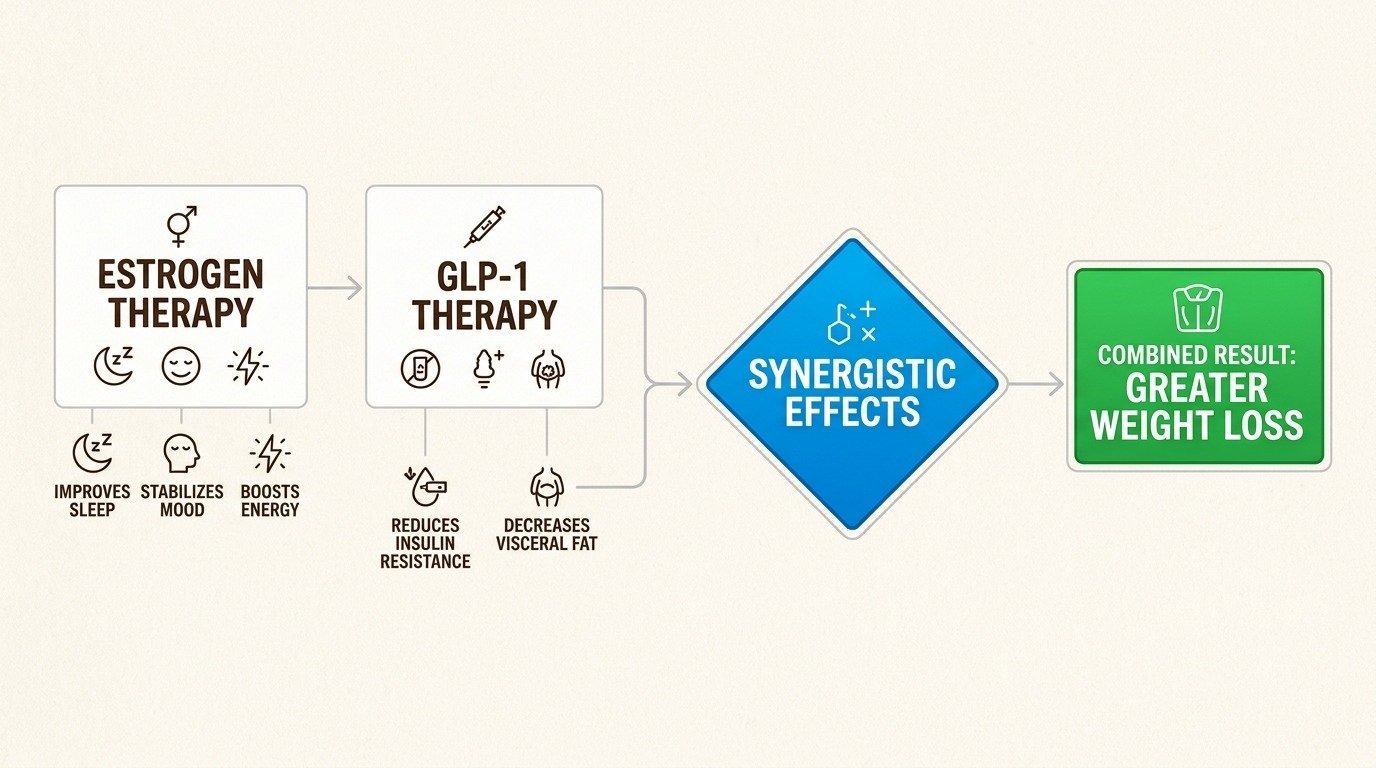
Beyond exercise, peptide therapy offers a targeted approach to protecting lean mass that works synergistically with GLP-1 medications. Peptides such as CJC-1295 and ipamorelin stimulate natural growth hormone secretion, which plays a critical role in muscle maintenance and fat metabolism. For patients on semaglutide who are concerned about losing strength, adding peptide therapy creates a dual approach: GLP-1 medications drive appetite control and fat reduction, while peptides support the anabolic environment muscles need to stay intact.

For patients with clinically low testosterone, hormone optimization through TRT can further improve the ratio of fat lost to muscle preserved. Low testosterone is common in patients with obesity and directly impairs the body’s ability to maintain muscle mass during caloric restriction. Heymsfield et al. demonstrated that pharmacological approaches targeting anabolic pathways can shift body composition toward fat loss while preserving or gaining muscle in adults with obesity (JAMA Network Open, 2021).

StrategyEffectiveness for Muscle PreservationBest For
High Protein Intake (1.2-1.6 g/kg/day)High; reduces lean mass loss by up to 50%All GLP-1 patients
Resistance Training (2-3x/week)Very High; strongest single interventionAll patients able to exercise
Peptide Therapy (GH-releasing peptides)High; supports anabolic signalingPatients with significant muscle concerns
Testosterone Replacement TherapyHigh; restores hormonal muscle supportPatients with clinically low testosterone
No Intervention (GLP-1 only)Low; 25-40% of weight lost is lean massNot recommended
Resistance training and exercise strategies to protect muscle on a GLP-1 medication

Protecting Your Muscle During GLP-1 Treatment

Patients who combine medication with diet and exercise consistently achieve better body composition outcomes than those who rely on medication alone. At Body Works, every medical weight loss program includes baseline body composition assessment, protein optimization guidance, follow-up monitoring at 4 to 8 weeks, and ongoing assessments every 12 to 16 weeks during active treatment. Your provider tracks not just the scale but waist circumference, strength markers, and metabolic indicators to ensure you are losing fat, not the muscle that keeps you strong.

Body Works in Franklin and Nolensville, TN offers GLP-1 therapy, peptide therapy, and hormone optimization under one roof, giving patients access to every evidence-based tool for protecting lean mass during weight loss. Dr. Donald Vollmer evaluates your body composition, hormone levels, and health history to build a plan tailored to your specific risk profile. Schedule a Free Consultation to discuss how to protect your muscle while achieving your weight loss goals.

Body composition monitoring and follow-up visits to protect muscle on a GLP-1 medication

Frequently Asked Questions

Clinical trials show approximately 25 to 39% of weight lost on semaglutide comes from lean body mass, but much of that is liver volume reduction and body water, not skeletal muscle. The actual skeletal muscle loss is comparable to what occurs with any form of calorie restriction. With proper protein intake and resistance training, patients can significantly reduce lean mass loss.

Yes. A combination of resistance training at least two to three times per week and protein intake of 1.2 to 1.6 g/kg per day has been shown to preserve and even increase lean mass during caloric restriction. Adding peptide therapy or testosterone optimization can further support muscle growth in appropriate candidates.

The recommended intake is 1.2 to 1.6 grams of protein per kilogram of body weight daily. For most patients, this means 100 to 150 grams of protein per day. Spreading intake across four to five meals and prioritizing protein-dense sources like eggs, poultry, fish, and whey protein optimizes muscle protein synthesis.

Costs vary based on the combination of therapies in your plan. GLP-1 medication, protein guidance, and exercise programming are included in the standard weight loss program. Peptide therapy and hormone optimization are additional services with separate pricing discussed during your consultation.

Yes. Both the Franklin and Nolensville, TN locations include baseline body composition assessment and ongoing monitoring as part of every weight loss program. Your provider tracks lean mass, fat mass, and functional markers to ensure your treatment is producing the right kind of weight loss.

Medically reviewed by Dr. Donald Vollmer, MD
Managing Physician, Body Works TN

Browse Our Blog

Diet vs Exercise: Which Is More Effective for Weight Loss?

Diet vs Exercise: Which Is More Effective for Weight Loss?

March 3, 2026

Let’s settle the age-old wellness debate: if you want to lose weight, should you focus on what you eat or how much you move? It’s one of the most common questions people ask when they’re trying to get healthier.

It’s a huge question, right? And while the easy answer is “both,” it’s a bit more nuanced than that. The truth is, nutrition and exercise play very different but equally important roles in your weight loss journey. Understanding when and how to use each one is what separates a short-term crash from a real, lasting transformation.

Think of it this way: one is your go-to for getting things started, while the other is your key player for keeping the results going. Let’s break it all down.

Diet vs exercise for weight loss comparison

Understanding the Diet vs. Exercise Debate

Before we pick a side, let’s get back to basics. Weight loss really comes down to one thing: a calorie deficit. That just means burning more energy than you take in. Both diet and exercise can help you get there, but they do it in very different ways. Diet controls the “calories in” part, while exercise boosts the “calories out.”

Calorie deficit balance - calories in vs calories out

The Role of Diet in Weight Loss

Your diet is all about what you put into your body, which makes it the most direct way to manage your calorie intake. From cutting out sugary drinks to choosing more filling, nutritious foods, changing what you eat can have a massive impact on your daily calorie count without ever having to break a sweat.

According to Colleen Alrutz, a health and fitness manager at Piedmont, when it comes to dropping pounds, diet wins about 70% of the time. The math backs it up: to lose about one to one and a half pounds per week, you generally need a daily deficit of 500 to 750 calories. It’s simply easier to create that deficit by eating less than it is to exercise it away.

Of course, it’s not just about the numbers. The quality of your food is a massive part of the puzzle. Choosing nutrient-rich foods like vegetables, lean proteins, and whole grains keeps you fuller for longer, meaning you’re less likely to overeat. This is especially true when combined with tools that help you manage cravings and stick to your plan.

The Role of Exercise in Weight Loss

Exercise is the engine that revs up the “calories out” side of things. It boosts the total amount of energy your body uses in a day, helping to widen that calorie gap. But just as importantly, it shapes how your body changes, making sure you’re losing fat, not muscle.

The Department of Health and Human Services has some solid guidelines for getting the most out of your movement:

Aerobic activity: This is your cardio, which includes activities like brisk walking, running, swimming, or cycling. Aim for at least 150 minutes of moderate activity or 75 minutes of vigorous activity per week. Cardio is fantastic for burning calories while you’re doing it.

Strength training: Hitting all your major muscle groups with strength exercises at least twice a week is a big deal. Why? Because muscle is metabolically active tissue. The more muscle you have, the more calories your body burns even when you’re just sitting on the couch. Muscle mass is actually the main factor in your basal metabolic rate (BMR).

Why Diet Drives Initial Weight Loss

When you’re first starting, putting your focus on nutrition will give you the biggest return on your effort. There’s a reason for that saying, “you can always out-eat your exercise.”

Let’s put it in perspective. Imagine you decide to cut out your daily 20-ounce soda. Just like that, you’ve dropped 240 calories from your day. To burn the same amount through exercise, according to data from the Mayo Clinic, a 160-pound person would need to walk briskly for about 35 minutes. Which one feels more straightforward? For most people, the easy answer is putting down the soda.

Because you can create a bigger calorie deficit more quickly through what you eat, diet is the clear winner for jump-starting your weight loss. It gives you that initial momentum and those early results that keep you motivated.

Of course, making big dietary changes can be stressful. Your body and mind are adjusting, and that can sometimes raise cortisol levels or cause tension. Managing that stress is important too, and therapies like a Swedish Massage can be a great way to ease the transition and help your body recover.

240 calorie deficit comparison - diet vs exercise effort

Why Exercise Is Key for Long-Term Maintenance

So, diet is the hero for getting you started. But once you’ve seen some results, exercise takes center stage as the key to keeping the weight off for good. This is where the long game is won.

This isn’t just a guess; it’s backed by solid science. The CDC notes that while most weight loss comes from eating fewer calories, people who’ve successfully lost weight and kept it off typically include regular physical activity as a core part of their routine.

One of the biggest reasons for this is muscle. When you lose weight from diet alone, you don’t just lose fat; you also lose a significant amount of lean muscle mass. Less muscle means a lower metabolism, which makes it easier to regain the weight down the road.

This is where strength training becomes your best friend. One study on frail, obese older adults found that the diet-only group lost 5.4 kg of lean mass, while the group that combined diet with exercise lost only 1.8 kg of it and got stronger. That’s a huge difference for long-term health.

And let’s not forget, the perks of exercise go way beyond the scale. According to the CDC, regular physical activity brings a whole host of health benefits:

It lowers your risk of cardiovascular disease, type 2 diabetes, and at least eight types of cancer.

It strengthens your bones and muscles, which is vital for staying mobile as you get older.

It does wonders for your mental health, helping to ease symptoms of depression and anxiety.

It leads to better sleep and more energy during the day.

Now, if you’re new to a fitness routine, you’re probably going to feel some soreness. That’s totally normal. A Deep Tissue Massage can work out the knots, break up tension from new workout routines, and speed up your recovery so you can get back to it faster.

Exercise role in muscle preservation during weight loss

The Optimal Approach: Combining Diet and Exercise

So, who wins the diet vs. exercise showdown? The real answer is: they both do, especially when they’re on the same team. The most effective and sustainable, long-lasting results come from combining a healthy diet with a consistent exercise program.

Here’s a look at how each approach compares:

When you pair them up, they work together beautifully. A healthy diet gives your body the quality fuel it needs for effective workouts. In turn, regular exercise helps maintain the lean muscle that keeps your metabolism humming, allowing you to be a bit more flexible with your food choices over time without gaining weight back.

True wellness isn’t about just one thing; it’s about treating your body as a whole. It’s about more than just what you eat or how you train. It’s about sleep, stress management, recovery, and making sure your body is functioning at its best. That’s the philosophy behind Body Works, where the approach to health goes beyond just one dimension.

The Final Verdict on Diet vs. Exercise

Let’s wrap this up. In the great debate of diet vs. exercise, there’s no single winner because they aren’t really competitors. They’re partners.

Here’s the game plan:

Diet is your starting player. It’s the most effective tool for creating the initial calorie deficit to start losing weight.

Exercise is your long-game champion. It’s crucial for preserving muscle, boosting your metabolism, improving your overall health, and keeping the weight off for good.

The best strategy? A balanced combination of both. Healthy eating and regular physical activity, working together.

At the end of the day, this journey is about more than just a number on a scale. It’s about building a stronger, healthier, and more energetic version of yourself. And that’s something you can truly enjoy.

Whether you’re dealing with the stress of a new diet or recovering from a tough workout, your body deserves expert care. Our licensed therapists at Body Works in Franklin and Nolensville are here to support your wellness journey from every angle. Book a consultation today.

Frequently Asked Questions

Research consistently shows that diet has a greater impact on initial weight loss than exercise alone. According to Piedmont Healthcare, diet accounts for roughly 70% of weight loss results. However, exercise is essential for maintaining weight loss long-term, preserving lean muscle mass, and improving overall metabolic health. The most effective approach combines both a calorie-controlled diet with regular physical activity.
According to the Mayo Clinic, a daily calorie deficit of 500 to 750 calories typically results in losing about 1 to 1.5 pounds per week. This can be achieved through dietary changes alone, increased physical activity, or a combination of both. It’s important not to cut calories too drastically, as very low-calorie diets can slow your metabolism and lead to muscle loss.
While exercise does burn calories, relying on exercise alone for weight loss is much less effective than combining it with dietary changes. For example, a 160-pound person would need to walk briskly for about 35 minutes to burn roughly 240 calories — the equivalent of a single candy bar. It’s far easier to eliminate those calories through diet than to burn them off through exercise.
A combination of cardiovascular exercise and strength training produces the best weight loss results. The Department of Health and Human Services recommends at least 150 minutes of moderate aerobic activity or 75 minutes of vigorous activity per week, plus strength training at least twice per week. Strength training is particularly important because it builds lean muscle, which is the main factor driving your basal metabolic rate.
Weight regain often occurs because diet-only approaches can cause significant lean muscle loss. Research published by the National Institutes of Health found that participants who dieted without exercising lost 5.4 kg of lean mass compared to just 1.8 kg for those who combined diet with exercise. Less muscle means a slower metabolism, making it easier to regain weight. Regular physical activity is the strongest predictor of long-term weight maintenance according to the CDC.
Medical weight loss programs at Body Works combine physician-supervised dietary planning with GLP-1 medications like semaglutide to help control appetite and support a sustainable calorie deficit. Unlike fad diets, medical programs include ongoing monitoring, nutritional guidance, and personalized exercise recommendations to help you lose weight safely while preserving lean muscle mass. Contact our Franklin or Nolensville clinic for a free consultation.

Medically reviewed by Dr. Donald Vollmer, MD
Managing Physician, Body Works TN

Browse Our Blog

How to Lose Weight and Actually Keep It Off in 2026

How to Lose Weight and Actually Keep It Off in 2026

December 23, 2025

Losing weight isn’t just about dropping pounds. The real goal is sustainable weight loss that stays off, improves your health, and fits into your life in 2026 and beyond.

At Body Works, we know that a one‑size‑fits‑all approach doesn’t work. Whether you’re curious about medical weight loss programs, looking for better appetite control, or trying to make healthy lifestyle changes stick, this guide is for you.

In this post you’ll learn:
• How to combine healthy lifestyle habits for long‑term success
• Why appetite and body signals matter for lasting weight loss
• Practical strategies you can start using now to keep the weight off

By the end, you’ll have a roadmap you can follow with confidence.

Medical weight loss and healthy living

Why Most Diets Don’t Last

Many people try restrictive diets that promise fast results. The problem with those plans is they don’t teach you how to live in your body every day. That’s why even when you lose weight, it often comes back.

Sustainable weight loss isn’t about temporary fixes. It’s about building habits that support your body, your life, and your goals. It’s about understanding hunger, energy, and what really drives your eating behaviors.

At Body Works, we approach weight loss medically and personally. That means your plan takes into account your body’s needs, your lifestyle, and your wellness goals.

Step 1: Master Appetite and Hunger Signals

One of the biggest challenges in losing weight and keeping it off is appetite control. Hunger isn’t just a physical cue. It can be emotional, habitual, or influenced by stress.

Why Appetite Matters

When hunger signals are out of balance, it’s harder to stick with healthy choices. That’s why we focus on strategies that help regulate appetite naturally and medically.

In one of our blog posts about losing weight and keeping it off, we discuss foods that help you feel full longer—like high‑fiber vegetables, lean proteins, and healthy fats—because they slow digestion and keep hunger in check.

Tools That Support Appetite Balance

If hunger feels overwhelming or unpredictable, you don’t have to manage it alone. At Body Works, GLP‑1 medications like semaglutide are medical tools that mimic natural hormones to help you feel full and eat less without feeling deprived.

To understand how these medications work and whether they’re right for you, check out our detailed guide What Are GLP‑1s and How Do They Work? These medications don’t replace healthy habits, but they make them easier to adopt and stick with.

Step 2: Build Healthy Eating Patterns That Last

Successful weight maintenance is not about eating perfectly. It’s about creating patterns that work with your life.

Eat to Fuel Your Body

Focus on meals that provide steady energy and satisfaction:

  • Lean proteins like chicken, fish, or legumes
  • Fiber‑rich foods such as whole grains, fruits, and vegetables
  • Healthy fats like avocados, nuts, and olive oil

These nutrients help reduce hunger later in the day and support stable blood sugar levels.

Plan Meals With Purpose

Simple meal planning can be a game‑changer:

  • Prepare meals ahead of time
  • Choose snacks that pair protein and fiber
  • Keep your pantry stocked with wholesome staples

This makes it easier to choose real food over processed options when you’re busy or hungry.

Healthy eating doesn’t have to be complicated. Small choices add up over time.

Step 3: Move in Ways You Enjoy

Exercise is more effective when it’s something you look forward to, not dread.

The Role of Movement

Physical activity helps:

  • Build lean muscle mass
  • Burn calories
  • Improve mood and energy
  • Support appetite regulation

Consistent movement doesn’t mean long sessions at the gym. Aim for activities you enjoy:
walking, biking, hiking, dancing, strength training, or even stretching.

The key is consistency over intensity.

Step 4: Support Your Body With Smart Tools

Some individuals benefit from medical weight loss support alongside lifestyle changes. At Body Works, we offer personalized medical weight loss plans that may include:

GLP‑1 Agonists

These medications help your body feel full longer and reduce overall calorie intake by slowing stomach emptying and signaling fullness to your brain.

Peptide Therapy

Peptides are short chains of amino acids that can signal the body to perform specific functions, including improving metabolism, regulating hormones, and supporting fat loss. Certain peptides can help stimulate growth hormone production, preserve lean muscle mass, and improve recovery—making it easier to maintain a healthy body composition while losing weight.

Appetite Suppressants

FDA‑approved options like phentermine can help decrease constant hunger and break cycles of emotional eating when used appropriately.

Lipotropic Injections

Mic nutrient injections like B12 or MIC support energy, metabolism, and fat breakdown. These can be part of a plan that makes it easier to keep weight off as you create healthy habits.

Each tool is personalized to your body and goals, and used in a supportive, medically supervised way.

Step 5: Build Long‑Term Habits

The most important part of weight loss that lasts is consistency.

Make It Real

Ask yourself:

  • Can I do this for 6 months?
  • For a year?
  • For a lifetime?

That’s the mindset we encourage. Sustainable changes are not perfect. They are consistent.

Track Progress Beyond the Scale

Weight is one measure, but not the only one. Also pay attention to:

  • Energy levels
  • Confidence improvements
  • Clothing that fits better
  • Better sleep
  • Reduced cravings

These wins matter and help you keep going even when the scale doesn’t move much.

Step 6: Get Support and Accountability

You don’t have to do this alone. Support makes a difference. That can be:

  • A friend who walks with you
  • A coach or clinician
  • A community that shares your goals

At Body Works, we provide ongoing support, check‑ins, and adjustments so your plan evolves with you.

We believe that losing weight and keeping it off requires daily support, encouragement, and real strategies that fit your life.

Real Success Happens With Balance

Here’s the truth: weight loss isn’t just about calories in and calories out. It’s about what works for your body, your schedule, your preferences, and your mental well‑being.

When you combine:

  • Balanced eating
  • Joyful movement
  • Medical support when needed
  • Appetite and behavior strategies

you set yourself up for lasting results.

If you want to go deeper into tools and treatments that help with these steps, check out more of our blog, including The Truth About Diet and Exercise.

Your Next Step Toward Lifelong Wellness

If you’re ready to take these tips and turn them into a plan that works for you, we’re here to help.

Schedule a Free Consultation with Body Works, and we can customize a plan based on your goals, preferences, and health history.

Sustainable weight loss is possible. And we’ll walk with you every step of the way.

Medically reviewed by Dr. Donald Vollmer, MD
Managing Physician, Body Works TN

Browse Our Blog

Achieving Sustainable Weight Loss Through Appetite Control

Achieving Sustainable Weight Loss Through Appetite Control

October 2, 2025

Embarking on a weight loss journey often feels daunting, but understanding and managing your appetite can significantly streamline the process. In this blog, we’ll explore practical strategies for leveraging appetite control to achieve sustainable weight loss.

The Basics of Appetite Control

Understanding the fundamental concepts of appetite control is crucial for anyone looking to maintain a healthy weight. Appetite is the natural desire to eat, which is influenced by a variety of factors, including hormones, emotions, and environmental cues. One effective way to manage your appetite is by becoming more aware of how these factors impact you personally. For instance, your hormone levels can significantly influence how hungry or full you feel. Leptin and ghrelin are two major hormones that play a role in appetite regulation; leptin decreases appetite, while ghrelin increases it. By learning how these hormones function, you can better manage sudden cravings and hunger pangs.

Beyond hormones, your environment can also dictate eating habits. Social settings, such as parties and gatherings, are often associated with high-calorie food consumption. By acknowledging these triggers, you can develop strategies to curb unaware eating, like choosing smaller plates or sitting farther away from the buffet. Additionally, research indicates that appetite can be controlled by focusing on one’s internal cues rather than external stimuli, thus empowering individuals to take charge of their eating habits more effectively.

At Body Works, we understand the complexities of appetite control and provide personalized solutions to help you manage it effectively. With our comprehensive medical weight loss programs, we aim to combine behavioral strategies with medical interventions, such as appetite suppressants, to create a sustainable path toward weight management.

Moreover, emotions are deeply linked to food intake, often causing people to eat when stressed or bored rather than when physically hungry. This distinction is important as addressing emotional eating involves developing coping mechanisms to manage stress without the need for food. Setting regular eating schedules and incorporating stress-relief techniques, such as meditation or exercise, can be beneficial in maintaining a consistent and balanced diet.

Understanding Hunger Signals

Knowing the difference between physical hunger and emotional cravings can empower you to make more informed eating choices. Listening to your body’s hunger signals helps in regulating food intake naturally. Physical hunger often comes on gradually and can be satisfied with almost any type of food, whereas emotional cravings are usually sudden and specific, often tied to particular foods like sweets or comfort foods.

To differentiate between these types of hunger, it might be helpful to pause and ask yourself if you’d eat a simple, healthy snack – if the answer is yes, you might be experiencing physical hunger. Conversely, if only a particular food will satisfy you, emotional factors could be at play. Reflecting on the timing of your last meal and your current activity level can also give you clues about the nature of your hunger.

At Body Works Franklin, our wellness professionals can guide you in recognizing and responding to these hunger signals. Through fostering awareness and providing practical tips tailored to your unique needs, our experts help you gain more control over your eating habits and encourage long-term success in your weight management journey.

Choosing Foods that Suppress Appetite

Incorporating foods that help keep you full for longer can aid in appetite control. High-fiber, protein-rich foods, and healthy fats are excellent choices to include in your meals for better satiety. Foods rich in fiber, such as whole grains, legumes, fruits, and vegetables, are known for their ability to expand in your stomach, creating a sensation of fullness and minimizing the temptation to overeat.

Protein is another key player in appetite suppression; it affects several hormones linked to hunger and satiety. Consuming protein-rich foods like lean meat, fish, eggs, or plant-based options such as beans and lentils can help curb hunger pangs. Additionally, including healthy fats, such as avocados or nuts, can further enhance feelings of satisfaction, due to their high-calorie content that requires slower digestion, thus keeping you satiated for more extended periods.

Combining these foods with hydrating options like broth-based soups or salads can also work wonders. At Body Works, we emphasize understanding the nutritional profile of various food items and how they contribute to your overall appetite regulation. Our practitioners provide customized meal plans tailored to your needs, designed to maximize satiety and support your weight management goals effectively.

Mindful Eating Techniques

Practicing mindful eating can greatly enhance your ability to control your appetite. This involves eating slowly, appreciating the flavors, and focusing on the meal without distractions, which can help prevent overeating. By being more present during meals, you’re likely to enjoy each bite and recognize when you’re comfortably full, thereby reducing the likelihood of consuming extra calories.

Mindful eating is more than just a tool for weight loss; it’s a practice that can change your relationship with food. It emphasizes enjoying your meals without feeling guilt or stress and promotes a better understanding of hunger and fullness cues. As you practice mindfulness, try to engage all your senses, noting the food’s color, texture, aroma, and taste. Over time, you may find that you’re able to differentiate between hunger and cravings more easily.

Body Works Franklin encourages patients to incorporate mindful eating techniques into their daily routine, as it enhances the benefits of lipotropic injections and other medical solutions we offer. By integrating mindfulness and medical advancements, we strive to create a holistic approach that aids both physical and mental health, paving the way for towards improved lifestyle and weight management.

Medically reviewed by Dr. Donald Vollmer, MD
Managing Physician, Body Works TN

The Impact of Hydration on Appetite

Staying hydrated can play a key role in regulating appetite. Sometimes, thirst is mistaken for hunger, leading to unnecessary calorie consumption. Drinking an adequate amount of water throughout the day can help prevent this confusion and maintain your body’s overall health.

Water is essential for proper digestion and absorption of nutrients, as well as for maintaining healthy skin and joint function. Starting your day with a glass of water and making a habit to drink before meals can improve your sense of fullness and curb overeating. Moreover, opting for water-rich foods like cucumbers, strawberries, or watermelon can help meet your hydration needs while contributing to satiety without adding excess calories.

At Body Works, we integrate hydration guidelines into our comprehensive weight loss programs. Whether complementing medical treatments like semaglutide therapy or providing support through personalized eating plans, our holistic focus on hydration helps in achieving sustainable weight loss.

Embracing a Healthier Lifestyle

Sustainable weight loss through appetite control is not only achievable, but it’s also a healthier and more natural approach to improving your overall well-being. By understanding your body’s hunger signals, choosing nutrient-rich foods, and adopting mindful eating practices, you can create a balanced lifestyle that supports your health goals long-term.

Browse Our Blog